How to Prune Wax mallow?
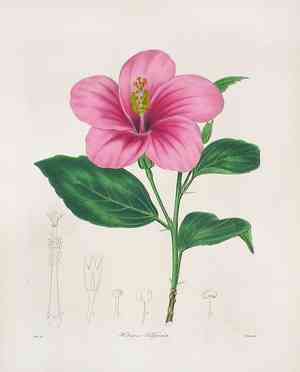
Distinguished by its vibrant crimson blossoms and rapid development, wax mallow thrives with consistent trimming. Trim back sprawling branches in early spring or during winter to sculpt or diminish its dimensions. Swiftly eliminate any deceased or ailing wood. This practice fosters more abundant foliage and increased flowering. Refrain from significant summer trimming to avert strain during elevated temperatures. Guarantee precise, clean cuts for swift recuperation.
What Are the Benefits of Pruning Wax Mallow?
What Are the Benefits of Pruning Wax Mallow?
Trimming wax mallow encourages abundant blooms and helps deter pests and diseases by removing old or infected parts, ensuring a strong, healthy plant.
What Is the Best Time for Pruning Wax Mallow?
What Is the Best Time for Pruning Wax Mallow?
Pruning in early spring benefits wax mallow, preparing it for vigorous development during the upcoming growing season. This timing allows gardeners to shape the plant and remove any winter frost damage before new growth begins. Winter pruning, when the plant is dormant, minimizes stress on wax mallow and lowers the risk of disease transmission via pruning cuts. It's also easier to discern the plant's structure without leaves, enabling more precise trimming. Avoid pruning when wax mallow is flowering or setting seeds to prevent disrupting its bloom or fruiting cycle.
What Tools Do I Need to Prune Wax Mallow?
Hand Pruners
Perfect for making precise cuts on wax mallow's thinner stems and branches. They enable accurate, clean cuts, vital for the plant's health and disease prevention.
Lopping Shears
Useful for cutting thicker wax mallow branches that hand pruners can't manage. They provide the necessary leverage for cutting branches up to about 1 1/2 inches in diameter.
Pruning Saw
Essential for removing the largest wax mallow branches. A pruning saw allows cuts through branches thicker than 1 1/2 inches without harming the rest of the plant.
Hedge Shears
Suitable for shaping wax mallow if it's grown as a hedge. They permit more extensive shaping and are good for cutting multiple small branches simultaneously.
Pruning Gloves
Hand protection while pruning wax mallow. Pruning can cause scratches or thorn pricks, so durable gloves are recommended.
Sharpener
Maintaining sharp blades is crucial for all pruning tools to ensure clean cuts, which help wax mallow recover and grow back healthier.
How to Prune Wax Mallow
Step1: Timing for Pruning
Determine the optimal time to prune wax mallow, which is late winter or early spring, before new growth emerges.
Step2: Tool Sterilization
Sanitize pruning tools before trimming wax mallow to prevent disease spread. Clean them with rubbing alcohol or a 10% bleach solution.
Step3: Damaged Shoots Removal
Begin by removing damaged shoots. Carefully inspect wax mallow for any broken, diseased, or pest-damaged shoots. Make clean cuts at a 45-degree angle just above a healthy leaf node or bud to encourage new growth.
Step4: Deadheading Spent Flowers
Trim old flowers after they fade to encourage continuous blooming throughout the growing season. Cut the stem just above the first set of healthy leaves below the spent bloom.
Step5: Clearing Dead Wood
Remove dead wood to enhance air circulation and light penetration. Look for branches that are discolored, brittle, or leafless. Cut these branches back to their origin or to the nearest healthy side branch.
Step6: Inner Branches Thinning
Thin the center of wax mallow by removing some inner branches. This boosts light penetration and airflow, which can lower disease risk.
Step7: Plant Reshaping
Reshape wax mallow as needed, focusing on maintaining a pleasing natural form. Avoid excessive pruning, which can stress the plant and lead to poor growth.
Step8: Debris Cleanup
Clear all pruning debris from the base of wax mallow to minimize the risk of pests and diseases.
Step9: Post-Pruning Watering
Water wax mallow deeply after pruning to aid recovery and new growth.
Step10: Health Monitoring Post-Pruning
Observe wax mallow's health in the weeks following pruning, addressing any pest or disease issues that may arise by contacting a local extension service or professional gardener for advice.
Post-Pruning Care for Wax Mallow
Post-Pruning Care for Wax Mallow
Immediately after trimming wax mallow, water thoroughly to aid healing. Ensure wax mallow receives bright, indirect light to prevent sun stress, but maintain warm temperatures and moderate humidity. Apply a balanced, slow-release fertilizer to support recovery and new growth, but avoid over-fertilization. Monitor wax mallow for wilting, discolored leaves, or oozing sap from wounds, indicating stress or infection. If symptoms appear, adjust watering, check for pests, and potentially apply a fungicide. Consistent, attentive care ensures robust regrowth.
Common Pruning Mistakes with Wax Mallow
Over-pruning Causes Stress and Vulnerability
Cutting too much of the wax mallow's foliage, which can stress the plant and make it susceptible to diseases or pests.
Unsterilized Tools Can Spread Disease
Pruning without sterilizing tools, which can introduce disease and infect the wax mallow.
Improper Cuts Harmful for Plant Healing
Using incorrect pruning techniques, such as tearing or making jagged cuts, which can hinder healing and increase disease potential.
Common Pruning Tips for Wax Mallow
Clean, Sharp Cuts Encourage Fast Healing
Use sharp, clean pruning shears or scissors to make precise cuts on the wax mallow, which helps the plant heal quicker and reduces disease risk.
Prune Only Necessary Parts for Plant Health
Remove only the essential parts of the wax mallow, such as dead or diseased wood, and shape the plant without removing too much growth.
Promote Air Circulation to Prevent Disease
Prune the wax mallow to maintain good air circulation through its branches, which can help reduce the likelihood of fungal diseases.



