How to Prune Chinese mallow?
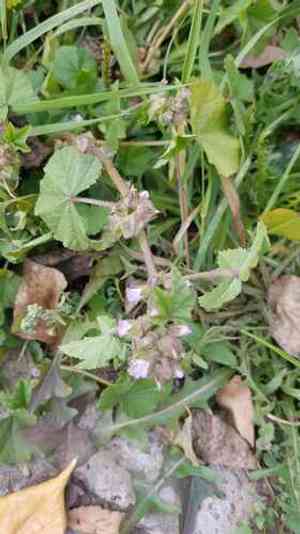
A adaptable herbaceous species, chinese mallow flourishes with consistent trimming to encourage denser foliage and inhibit seed dispersal. Perform light pruning in spring to sculpt and stimulate fresh development. During summer, remove faded blossoms to extend flowering and eliminate any elongated stalks. As the season concludes, trim back to soil level. Trimming boosts plant vitality and aids in preserving preferred dimensions and structure, while potentially lessening self-propagation.
Advantages of Trimming Chinese Mallow
Advantages of Trimming Chinese Mallow
Trimming chinese mallow promotes robust, healthy development and maintains its desired shape. By removing specific parts, gardeners foster more vigorous growth, appropriate plant structure, and an attractive form.
Optimal Time for Trimming Chinese Mallow
Optimal Time for Trimming Chinese Mallow
Trimming chinese mallow in the Spring is ideal as this is when the plant is actively growing. Pruning at this time helps shape the plant and encourages fresh, healthy growth. Removing dead or damaged sections now also reduces the likelihood of disease and pest infestations. The Autumn season is another suitable period to trim chinese mallow, as it follows the main growth phase. Fall pruning helps prepare chinese mallow for dormancy by eliminating any dead foliage, which can prevent disease and allows the plant to focus energy on root development. Summer trimming is generally not recommended for chinese mallow as it can stress the plant during a period when it is striving to maintain health to endure summer heat and produce seeds. This timing aligns with the plant's natural growth cycle, ensuring it stays healthy and strong. It's crucial to trim chinese mallow during mild weather to avoid exposing fresh cuts to extreme temperatures, which can harm the plant.
Tools Required for Trimming Chinese Mallow
Hand Pruners
Perfect for making clean cuts on chinese mallow's stems, as they can handle diameters up to 3/4 inch, typical for the plant's structure. Bypass pruners are preferred over anvil-style for a cleaner cut that aids in better healing.
Pruning Saw
Essential for cutting through larger, woodier stems of chinese mallow that hand pruners cannot manage. A compact folding saw with fine teeth is appropriate for this task.
Lopping Shears
These are useful for cutting thicker, harder-to-reach branches of chinese mallow that are too large for hand pruners but not thick enough for a saw.
Gloves
Protects the gardener's hands from thorny stems and potential skin irritants found on chinese mallow.
How to Trim Chinese Mallow
Disinfect
Before trimming chinese mallow, start by sanitizing all pruning tools with a bleach and water solution or rubbing alcohol to prevent disease spread.
Inspect
Thoroughly examine chinese mallow for any wilted, discolored, or dead leaves that do not contribute to the plant's appearance or health.
Prune Leaves
Using sharp scissors or pruning shears, carefully remove the wilted leaves. Make cuts close to the stem, being careful not to harm nearby healthy tissue.
Clean Up
Properly dispose of the removed wilted leaves, away from chinese mallow, to prevent any potential disease or pest infestation.
Watering
After trimming, water chinese mallow sufficiently to reduce stress and encourage recovery. Avoid watering from above to minimize disease risk.
Common Trimming Errors with Chinese Mallow
Excessive Pruning
Removing too much of chinese mallow's foliage at once can shock the plant, leading to reduced vigor and health.
Cutting Into Old Wood
Avoid cutting into the old, hard, woody stems of chinese mallow as this can prevent new growth from emerging where desired.
Incorrect Cut Angle
Making cuts at an improper angle can prevent water from draining and encourage disease.
Neglecting Tool Sanitization
Not sanitizing pruning tools before use risks spreading diseases between plants.
Pruning During Active Growth
Trimming chinese mallow during periods of active growth can hinder flowering and may cause stress.
Leaving Stubs
Chinese mallow can suffer from dieback and disease if stubs remain after trimming, as these can attract pests and rot.
General Trimming Advice for Chinese Mallow
Selective Pruning
Thin out crowded areas to improve air circulation, which helps reduce the risk of disease and pests for chinese mallow.
Appropriate Cut Location
Make cuts just above leaf nodes or branching points to encourage chinese mallow to produce new growth in desired directions.
Angled Cuts
Ensure cuts are made at a 45-degree angle away from the bud to facilitate water runoff and prevent rot.
Remove Dead Material
Promptly remove dead, damaged, or diseased material to maintain chinese mallow's health and aesthetic appeal.
Cut To Outward Facing Buds
Prune back to outward-facing buds to encourage chinese mallow's growth away from the center and improve the plant's shape.
Tool Sharpness
Use sharp and clean pruning shears to make clean cuts on chinese mallow, which aids in quicker healing and reduces damage to the plant.



