How to Prune Mallow?
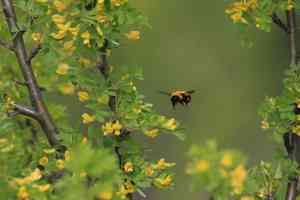
This resilient perennial, featuring expansive foliage and vivid blossoms, flourishes with consistent upkeep. Optimal trimming for mallow entails removing faded flowers to stimulate ongoing blooming and reducing the plant to robust growth after flowering to foster a denser form. Perform pruning in early spring to eliminate deceased or compromised material, and optionally during summer for shaping or size reduction. Advantages of pruning encompass heightened plant vitality, protection against ailments, and improved air movement. Employ sanitized, sharp implements to avoid harming mallow.
Advantages of Trimming Mallow
Advantages of Trimming Mallow
Trimming mallow promotes vitality, ensuring a strong, well-formed structure. It's crucial for maintaining an attractive shape and prevents leggy growth, resulting in a more aesthetically pleasing specimen.
Optimal Time for Trimming Mallow
Optimal Time for Trimming Mallow
Trimming mallow in Spring is ideal as it occurs right after its dormant phase and before its active growth period. This timing allows mallow to recover from cuts and direct energy into new growth, potentially leading to a more robust plant with improved flowering. Summer trimming can be beneficial for maintaining mallow's shape, removing any dead or diseased growth that may have appeared, and enhancing air circulation. Additionally, minor trims in Summer can encourage a second bloom. It is vital to avoid trimming mallow in late fall or winter, as cuts might not heal before cold weather, making the plant susceptible to damage and illness.
Tools Required for Trimming Mallow
Bypass Pruners
Perfect for making clean cuts through green, live stems of mallow without crushing plant tissues. Recommended for stems up to 1/2 inch thick.
Anvil Pruners
Suitable for deadwood and dry stems of mallow, but should be used carefully to avoid crushing stems during cutting. Better for thicker, dead branches over 1/2 inch.
Pruning Shears
Good for shaping mallow and removing any unhealthy or overgrown branches with diameters typically less than 3/4 inch.
Lopping Shears
Offer leverage to trim larger branches of mallow that are up to 1 and 1/2 inches in diameter, which might be too big for hand pruners.
Pruning Saw
Effective for removing larger branches over 1 and 1/2 inches in diameter, ensuring minimal harm to mallow during trimming.
Gloves
Provide hand protection while trimming mallow, as some varieties may have rough stems or foliage that can irritate skin.
How to Trim Mallow
Sanitize tools
Before beginning the trimming process for mallow, clean and disinfect all trimming tools to prevent disease spread.
Remove diseased leaves
Carefully inspect mallow for any signs of leaf disease. Gently snip off affected leaves, cutting them at the base where they meet the stem.
Remove withered leaves
Identify leaves on mallow that have dried up or died. Snip these off at their base to promote healthy growth and improve air circulation.
Trim diseased stems
For stems on mallow showing signs of disease, make clean cuts to remove the entire affected stem, cutting back to a main branch or just above a healthy bud or leaf node.
Cleanup
After trimming mallow, clear away and dispose of all removed plant material to prevent disease spread, and sanitize the trimming tools again.
Common Trimming Errors with Mallow
Over-trimming
Removing too much foliage at once can stress mallow, reducing its vitality and blooming potential. Aim to cut no more than one-third of the entire plant during a trimming session.
Incorrect cut placement
Cutting too far from a bud or node can leave a long stem stub, which is unattractive and prone to disease. Make cuts just above buds or branching points for healthier outcomes.
Neglecting deadheading
Failing to remove spent flowers, a practice known as deadheading, can lead to reduced blooming as mallow may prioritize seed production over new flowers.
Using dull tools
Trimming with dull or dirty tools can cause jagged cuts that harm mallow and make it more susceptible to pests and diseases. Always use sharp, clean trimming shears.
Random trimming
Haphazard, non-selective cutting can result in uneven growth and shapes. Always trim with a plan, considering mallow's shape and health.
Ignoring disease management
Not sanitizing tools between cuts, especially when dealing with diseased parts of mallow, can spread pathogens throughout the plant or to other plants.
General Trimming Advice for Mallow
Plan your cuts
Observe mallow closely and plan each cut to encourage an open, vase-like shape that promotes air circulation and sunlight penetration.
Sharp tools
Use sharp, clean trimming shears to make precise cuts that heal faster, reducing the risk of disease.
Deadheading
Regularly remove faded flowers to encourage mallow to produce more blooms and to maintain a neat appearance.
Thinning out
Thin out dense areas by removing entire stems or branches from the base to improve air circulation and reduce the risk of fungal diseases.
Cut angle
When removing larger branches, cut at a 45-degree angle just above an outward-facing bud or node to direct new growth away from the center of mallow.
Heed plant signals
Look for natural joints or nodes on mallow where new growth is likely to occur and make cuts just above those points to stimulate healthy new branches.
Disease prevention
After trimming, dispose of all cuttings, especially any that show signs of disease or damage, to prevent pests and diseases from affecting mallow.



