How to Prune European crab apple?
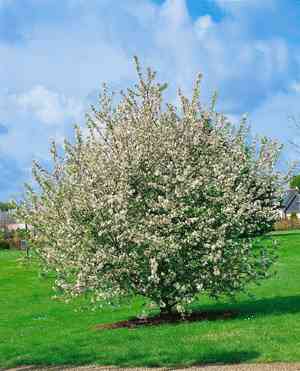
Originating from Eurasia, european crab apple is recognized for its springtime flowers and autumn fruit. Trim european crab apple in late winter prior to the commencement of vigorous growth. Essential methods involve excising deceased or ailing limbs, reducing dense sections to facilitate light and air penetration, and sculpting for visual appeal or dimension regulation. Trimming guarantees robust development, enhances the caliber of fruit, and enables superior disease prevention. Refrain from extensive cutting to avert strain, opting instead for measured, yearly upkeep trims.
Advantages of Trimming European Crab Apple
Advantages of Trimming European Crab Apple
Trimming european crab apple promotes a larger yield by enhancing air movement and sun exposure, crucial for fruit development. It boosts european crab apple's vigor by eliminating weak or diseased wood, thereby preventing pest and pathogen issues. Regular shaping of european crab apple through pruning maintains its visual appeal and manages its size for spatial considerations.
Optimal Time for Trimming European Crab Apple
Optimal Time for Trimming European Crab Apple
Trimming european crab apple in late winter to early spring is ideal because dormant pruning minimizes stress and allows gardeners to easily view the tree's structure without leaves. This timing also precedes the rapid spring growth phase, ensuring cuts heal quickly and the tree has the energy to produce new growth, thus reducing the risk of disease infection. Additionally, removing dead or diseased wood and thinning the canopy at this time improves air circulation and sunlight penetration, enhancing flowering and fruit production in the upcoming season.
Tools Required for Trimming European Crab Apple
Hand Pruners
Suitable for cutting small branches and twigs. Ideal for european crab apple due to its ability to make precise cuts on branches up to 1 inch in diameter, ensuring a healthy pruning cut.
Lopping Shears
Best for cutting branches between 1 and 2 inches in diameter. European crab apple may require the removal of medium-sized branches, and lopping shears provide the necessary leverage and cutting power.
Pruning Saw
Essential for cutting larger branches over 2 inches in diameter. European crab apple can have thicker branches that hand pruners and lopping shears cannot handle, therefore a pruning saw is necessary for these tougher cuts.
Pole Pruner
Useful for reaching higher branches without the use of a ladder. Due to european crab apple's height, a pole pruner can safely trim branches that are out of normal reach.
Hedge Shears
Appropriate for shaping and thinning european crab apple when maintaining hedges or creating a formal appearance. They allow for quick and even trimming of foliage and smaller branches.
Gloves and Safety Glasses
Protective wear is important to ensure the gardener's safety when pruning european crab apple, as it can help prevent scratches and protect eyes from flying debris.
How to Trim European Crab Apple
Clean Tools
Before starting the pruning process, ensure all pruning tools are clean and sharp to make precise cuts and avoid spreading disease to european crab apple.
Remove Dead Branches
Identify and remove dead branches from european crab apple, cutting at the base where the dead tissue meets healthy wood to promote healthy growth and airflow.
Cut Diseased Branches
Carefully cut away diseased branches from european crab apple to prevent the spread of infection. Make the cuts well into the healthy tissue to ensure all diseased parts are removed.
Prune Inner Branches
Thin out crowded inner branches of european crab apple if necessary, to improve light penetration and air circulation within the canopy which helps reduce disease occurrence.
Disinfect Pruners
After trimming european crab apple, disinfect all pruning tools to eliminate any pathogens that could be transferred to other plants in future use.
Common Trimming Errors with European Crab Apple
Overpruning
Removing too much foliage from european crab apple can stress the tree, inhibit growth, and reduce flowering potential. It's crucial to avoid cutting away more than 25-30% of the canopy in a single season.
Improper Cut Locations
Incorrectly positioned cuts can lead to disease and decay. When pruning european crab apple, cuts should be made just above a bud that faces the direction you want the new branch to grow. Avoid leaving stubs or cutting too close to the trunk.
Neglecting Tool Sanitation
Using unclean tools can spread diseases between plants. It's essential to sanitize pruning tools before and after working on european crab apple to prevent cross-contamination.
Disregarding Tree Structure
Ignoring the natural shape of european crab apple or not considering the long-term impact of cuts can result in an unbalanced and weakened tree. Aim to maintain a central leader and well-spaced scaffold branches for structural integrity.
Flush Cutting
Making flush cuts against the trunk can remove the branch collar, an area important for healing. Always leave the branch collar intact to promote rapid wound closure.
Pruning For Size Containment
Trying to significantly reduce the size of an established european crab apple through harsh pruning can be detrimental. Instead, select a variety suited to the available space from the outset.
General Trimming Advice for European Crab Apple
Target Cutting
Focus on removing dead, diseased, or damaged branches to maintain the health of european crab apple. Also, selectively thin crowded branches to improve light penetration and air circulation within the canopy.
Tool Selection
Use sharp, appropriate-sized pruning tools for different thicknesses of branches to make clean cuts that heal quickly, without unnecessary damage to the tree.
Strategic Shaping
Prune to enhance the natural form of european crab apple, which typically involves maintaining an open center for good light exposure. This helps to promote a more abundant bloom and easier fruit harvest.
Water Sprout And Sucker Management
Remove water sprouts and suckers that divert energy from the productive parts of european crab apple. These shoots are vigorous and upright, contributing little to the tree's overall form and fruiting capacity.
Proactive Pruning
A proactive approach involves regular, manageable pruning sessions to maintain structure and vigor rather than occasional, drastic pruning which can be more harmful than beneficial.



