How to Prune Hall crabapple?
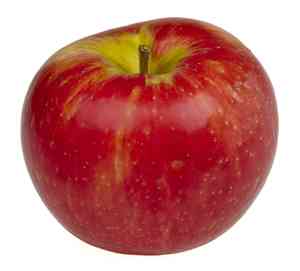
This ornamental tree, which sheds its leaves, showcases an abundance of pink flowers and is valued for its springtime exhibition. For hall crabapple, yearly trimming is most effective in late winter or early spring prior to the emergence of buds. Eliminate any dead, ailing, or compromised wood and thin out congested branches to stimulate vigorous development and air circulation. Reduce the length of the previous year's growths to cultivate a sturdy framework and boost blooming. Exercise caution with pruning, as hall crabapple can react poorly to extensive cutting, which encourages prolific flowering and preserves an appealing form.
What Are the Benefits of Pruning Hall Crabapple?
What Are the Benefits of Pruning Hall Crabapple?
Trimming hall crabapple encourages robust development and maintains its desired form. Strategic cuts enhance light exposure and air movement, vital for its health and blooming. Regular trimming keeps hall crabapple compact, improving its visual appeal.
What Is the Best Time for Pruning Hall Crabapple?
What Is the Best Time for Pruning Hall Crabapple?
Pruning hall crabapple in late winter or early spring coincides with its dormant phase, just before new growth begins. This timing helps avoid stressing the plant since it's not actively growing. Furthermore, pruning prior to the spring growth spurt enables gardeners to shape the plant and remove any damaged or diseased branches, contributing to healthier development. It also helps stimulate flowering as hall crabapple typically forms buds on the previous year's growth. By pruning at this time, gardeners can enhance the plant's natural shape and promote more abundant blooms and fruit in the subsequent season. Avoiding pruning in the fall is crucial as it can encourage new growth that may not have enough time to harden off before winter cold. Thus, late winter to early spring pruning ensures the health, aesthetics, and productivity of hall crabapple.
What Tools Do I Need to Prune Hall Crabapple?
Hand Pruners
Perfect for cutting small branches and twigs of hall crabapple up to 3/4 inch in diameter, hand pruners ensure precise, clean cuts that promote healthy growth.
Loppers
Designed for branches between 3/4 inches and 2 inches thick, loppers extend reach and provide the necessary leverage for trimming hall crabapple without harming the tree.
Pruning Saw
For larger branches exceeding 2 inches in diameter, a pruning saw allows for clean cuts and control when shaping and managing the growth of hall crabapple.
How to Prune Hall Crabapple
Step1: Inspecting for Unhealthy Growth
Examine hall crabapple for any indications of diseased wood, dead wood, suckers, water sprouts, and broken branches. Perform this pruning task in late winter or early spring before new growth commences.
Step2: Pruning Tool Sterilization
Sanitize your pruning tools with a 10% bleach solution or rubbing alcohol to prevent the spread of diseases among plants.
Step3: Removing Diseased and Dead Wood
Begin by eliminating all diseased or dead wood. Cut back to healthy tissue, typically identified by consistent color and texture. Make your cuts at a 45-degree angle, approximately 1/4 inch above a healthy bud or branch to encourage healing.
Step4: Suckers Removal
Identify and remove suckers, which are vigorous vertical shoots emerging from the rootstock or below the graft of hall crabapple. Cut these suckers as close to the base as possible.
Step5: Water Sprouts Pruning
Eliminate any water sprouts, which are straight shoots that grow vertically from the branches. These sprouts often appear after overly aggressive pruning or damage to hall crabapple. They should be pruned back to their point of origin on the branch.
Step6: Broken Branches Trimming
Trim broken branches back to the nearest lateral branch or bud, avoiding leaving a stub. If a clean break hasn't occurred, make a clean cut to aid the plant's proper healing.
Step7: Thinning for Canopy Airflow and Light
Shape hall crabapple by selectively thinning out branches to improve air circulation and light penetration throughout the canopy. Avoid excessive removal of foliage, which can stimulate excessive water sprout development.
Step8: Cleanup of Trimmings After Pruning
Conclude your pruning session by clearing away all trimmings to prevent disease spread and deter pests. Dispose of diseased material safely and not in your compost pile.
Post-Pruning Care for Hall Crabapple
Post-Pruning Care for Hall Crabapple
Immediately after pruning hall crabapple, apply a wound sealant to cuts to prevent disease. Place hall crabapple in an area with ample sunlight and shield it from extreme temperatures. Maintain moderate humidity to aid recovery. Post-pruning, introduce a balanced fertilizer to promote healthy growth. Regularly check hall crabapple for wilting or discoloration, which indicates stress or infection. If symptoms appear, promptly apply appropriate fungicides or consult a horticultural expert for advice.
Common Pruning Mistakes with Hall Crabapple
Ignoring Dead, Diseased, Damaged Branches
Failing to remove dead, diseased, or damaged branches can lead to a decline in hall crabapple's health and potentially spread disease.
Excessive Pruning and Foliage Removal
Over-pruning, which involves removing too much foliage or too many branches at once, can stress hall crabapple and hinder its ability to photosynthesize effectively.
Improper Cutting Techniques
Cutting branches incorrectly, such as leaving stubs or cutting too close to the trunk, can impede hall crabapple's natural healing process and leave it susceptible to pests and diseases.
Unsterilized Pruning Tools Spread Disease
Neglecting to disinfect pruning tools can transfer pathogens from infected plants to healthy ones, including hall crabapple.
Disregarding Plant's Natural Shape
Ignoring the natural shape of hall crabapple can result in a less aesthetically pleasing tree and may obstruct its natural growth patterns.
Common Pruning Tips for Hall Crabapple
Use Sharp, Clean Tools for Healthy Cuts
Utilize clean, sharp pruning tools to make precise cuts and minimize damage to hall crabapple's tissues, thereby facilitating quicker healing.
Thinning for Better Air Flow and Sunlight
Thinning out overcrowded branches allows for improved air circulation and sunlight penetration, crucial for hall crabapple's overall well-being and fruit production.
Keep Strongest Branches for Better Support
Retain the strongest and healthiest branches when pruning, especially those growing at a wide angle relative to the trunk of hall crabapple, as they can bear more weight.
Angle Cuts for Outward-Facing Buds Growth
Cut branches at a 45-degree angle just above outward-facing buds to encourage outward growth, reducing the likelihood of branches crossing and competing for space.
Regular Inspection and Maintenance Pruning
Regularly inspect hall crabapple for dead, diseased, or weak branches and remove them to maintain hall crabapple's structure and encourage new growth, even during non-pruning seasons.



