How to Prune Sweetbay magnolia?
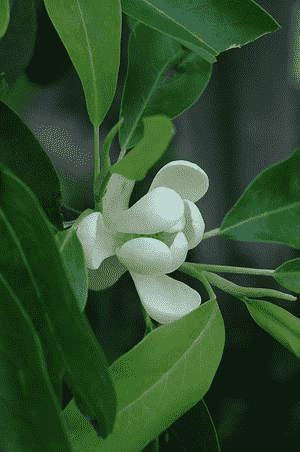
This partially deciduous tree, featuring off-white blossoms, flourishes with trimming to preserve its form and enhance air circulation. For sweetbay magnolia, carefully eliminate deceased or intersecting limbs and reduce the density of the crown while the tree is dormant in winter. Pruning early prevents interference with the blooming period and aids in the recovery of cuts. Trimming improves the tree's inherent structure, reduces the risk of illness, and stimulates robust growth in spring.
What Are the Benefits of Pruning Sweetbay Magnolia?
What Are the Benefits of Pruning Sweetbay Magnolia?
Trimming sweetbay magnolia promotes robust development and maintains its form. Regular cutting fosters a healthier framework, stimulates fresh growth, and preserves the plant's visual appeal, consistent with its inherent habit.
What Is the Best Time for Pruning Sweetbay Magnolia?
What Is the Best Time for Pruning Sweetbay Magnolia?
Winter is the optimal period for pruning sweetbay magnolia as the plant is typically inactive, which minimizes stress and facilitates better healing of cuts. Furthermore, the absence of leaves during this time offers clearer visibility, allowing for more precise cuts to shape the plant and eliminate any dead or diseased wood. Pruning from late winter to early spring avoids disrupting the sweetbay magnolia's early summer blooming cycle, preserving its ornamental value, and also lessens the risk of exposing fresh cuts to harsh winter weather that could harm the plant. Pruning before the spring growth surge also enables the plant to direct its energy into producing strong, new growth on the remaining healthy structures.
What Tools Do I Need to Prune Sweetbay Magnolia?
Hand Pruning Shears
Perfect for cutting through smaller branches and twigs of sweetbay magnolia, typically those under 1/2 inch in diameter, with precision and ease.
Loppers
Suitable for reaching higher branches and cutting through medium-sized branches, generally up to 1 1/2 inches in diameter, providing more leverage and cutting power than hand shears.
Pruning Saw
Essential for larger branches over 1 1/2 inches in diameter, where hand shears and loppers are insufficient. A pruning saw makes clean cuts without tearing the bark, which is important for the health of sweetbay magnolia.
Pole Pruner
Allows for safe pruning of elevated branches without needing a ladder. This is particularly useful for sweetbay magnolia as it can grow to a considerable height and maintain a pyramidal to conical form.
Gloves
While not a cutting tool, durable gloves are a must-have to protect the hands from cuts and scrapes during the pruning process of sweetbay magnolia.
How to Prune Sweetbay Magnolia
Step1: Timing Selection
Determine the optimal time for pruning sweetbay magnolia, which is ideally done in late winter or early spring before the active growth period begins. Avoid pruning in late fall, as cuts may not heal before winter, potentially leading to cold damage.
Step2: Inspection for Pruning
Examine sweetbay magnolia for parts needing trimming: dead wood, damaged limbs, and spent blooms. This initial check helps identify areas requiring attention and prioritizes your pruning efforts.
Step3: Tool Preparation
Gather the appropriate tools for the pruning task. These should include sharp pruning shears for smaller branches, loppers for medium-sized limbs, and a saw for larger or dead wood sections. Properly sanitize tools before use to prevent disease spread.
Step4: Removal of Dead Wood
Start by removing any dead wood on sweetbay magnolia. Cut dead branches back to the point of living tissue, ensuring a clean cut that doesn't harm the trunk or remaining live branches. Position the cut just outside the branch collar to promote healing.
Step5: Damaged Limb Cutting
Address damaged limbs on sweetbay magnolia. Cut back to healthy tissue, ideally just above a lateral branch or bud facing the desired direction of new growth. Ensure cuts are clean and at a 45-degree angle to prevent water accumulation and potential disease.
Step6: Old Bloom Trimming
Trim old blooms on sweetbay magnolia, especially if they are spent or showing signs of decay. Use pruning shears to snip the flower stem just above the first set of healthy leaves. Removing old blooms can potentially encourage further flowering and maintain the plant's aesthetic.
Step7: Shape Assessment and Pruning
After removing dead wood, damaged limbs, and old blooms, step back to evaluate the overall shape of sweetbay magnolia. Prune for shape only if necessary, as sweetbay magnolia generally requires minimal shaping. If shaping is needed, trim to maintain a balanced, natural form, avoiding heavy topping or excessive thinning.
Step8: Pruned Material Disposal
Collect and dispose of all pruned material away from sweetbay magnolia to reduce the risk of attracting pests or perpetuating disease.
Step9: Post-Pruning Monitoring
Monitor sweetbay magnolia after pruning for signs of new growth and any potential issues. Continue regular maintenance, including watering, fertilizing, and mulching as needed to promote the health and vigor of the plant.
Step10: Pruning Records Maintenance
Keep records of your pruning activities for sweetbay magnolia so you can track plant health and growth patterns over time, adjusting your maintain strategies as necessary.
Post-Pruning Care for Sweetbay Magnolia
Post-Pruning Care for Sweetbay Magnolia
Immediately after pruning sweetbay magnolia, water thoroughly to alleviate shock. Adjust environmental conditions to provide filtered light and maintain moderate humidity and temperatures, mimicking sweetbay magnolia's natural habitat. Apply a balanced, slow-release fertilizer to replenish nutrients and support new growth. Monitor sweetbay magnolia for wilting, discoloration, or signs of infection on cut sites. If symptoms occur, treat promptly with appropriate fungicides or pest control measures while maintaining optimal care conditions.
Common Pruning Mistakes with Sweetbay Magnolia
Excessive Foliage Removal Stressing sweetbay magnolia
Over-pruning sweetbay magnolia by removing too much foliage at once, which can stress the tree and lead to poor growth or reduced flowering.
Using Dull or Dirty Pruning Tools
Using dull or unclean pruning tools, which can damage branches and make sweetbay magnolia susceptible to diseases.
Lack of a Clear Pruning Plan for sweetbay magnolia
Pruning indiscriminately without a clear plan, potentially removing healthy wood and disrupting the natural shape of sweetbay magnolia.
Common Pruning Tips for Sweetbay Magnolia
Sharpen and Sanitize Tools for Clean Cuts on sweetbay magnolia
Use sharp and sanitized pruning tools to make clean cuts, which help prevent disease entry and promote quicker healing for sweetbay magnolia.
Prune Dead Wood and Structurally Poor Branches
Focus pruning efforts on removing dead or diseased wood, crossed branches, and any growth that detracts from the structure and health of sweetbay magnolia.
Enhance sweetbay magnolia's Natural Form through Selective Pruning
When shaping sweetbay magnolia, prune to enhance the tree's natural form rather than imposing an artificial shape, considering the tree's growth patterns for a more aesthetically pleasing result.



