How to Prune Umbrella tree?
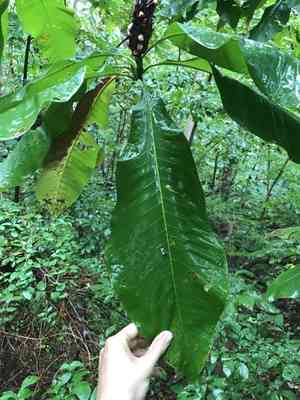
Recognized for its expansive foliage and prominent seed structures, the umbrella tree thrives with regular trimming to preserve its form and vitality. Essential methods involve the careful elimination of deceased or intersecting limbs and judicious thinning to allow light to penetrate. Conduct pruning in the latter part of winter or early spring, prior to the emergence of new shoots. Important points include refraining from severe pruning to safeguard the plant's inherent crown and encouraging more blossoms by cutting back immediately after flowering concludes. Trimming additionally aids in averting ailments by improving air movement throughout the canopy.
What Are the Benefits of Pruning Umbrella Tree?
What Are the Benefits of Pruning Umbrella Tree?
Trimming umbrella tree promotes robust development and preserves its desired shape. Careful cutting back can stimulate new, strong branches and potentially enhance the display of its large leaves, while also keeping the size and form of umbrella tree in check to complement garden aesthetics.
What Is the Best Time for Pruning Umbrella Tree?
What Is the Best Time for Pruning Umbrella Tree?
Trimming umbrella tree during late winter to early spring is ideal because it is just before the start of the active growth period, allowing the plant to recover quickly from cuts without excessive sap loss. This timing also minimizes disruption to flowering, as umbrella tree blooms on the previous yearâs growth. Pruning after bud break can reduce the flowering potential for the season. Late winter pruning minimizes disease pressure, as many pathogens are inactive, reducing the risk of infections at pruning sites.
What Tools Do I Need to Prune Umbrella Tree?
Hand Pruners
For the selective removal of small branches and precise cuts on umbrella tree, hand pruners, such as bypass pruners, are ideal. They provide a clean cut that is essential for the health of the plant.
Loppers
When dealing with branches up to 2 inches thick, which umbrella tree may occasionally produce, loppers are the tool of choice. They offer greater leverage and reach, allowing for effective cutting without damaging the plant.
Pruning Saw
For larger branches over 2 inches in diameter that hand pruners and loppers cannot handle, a pruning saw is necessary. A curved blade pruning saw can handle the thicker growth without tearing bark or causing undue stress to umbrella tree.
Pole Pruner
To safely reach higher branches of umbrella tree without using a ladder, a pole pruner is recommended. This tool often combines a saw and lopping shears to cut various branch sizes from ground level.
How to Prune Umbrella Tree
Step1: Assess Pruning Needs
Evaluate umbrella tree for pruning needs, focusing on the parts to be trimmed such as dead wood, diseased branches, and overgrown tops. The best time to prune umbrella tree is in late winter or early spring before new growth begins.
Step2: Remove Dead Wood
Start by removing all dead wood. Use a sharp and clean pair of pruning shears or a saw, depending on the thickness of the branch. Make cuts at a 45-degree angle, about 1/4 inch above a healthy bud or branching point that faces the outside of the plant.
Step3: Trim Diseased Branches
Identify and trim diseased branches next. Cut back to healthy wood, well below the diseased sections. Sanitize your tool after each cut to prevent spreading pathogens. Dispose of diseased material properly.
Step4: Shape Overgrown Tops
To address the overgrown tops, determine the desired height and shape for umbrella tree. Using loppers or a pole saw, selectively trim back branches to maintain or encourage a balanced, pleasing form. Avoid cutting into the older, woody part of umbrella tree as it can be slow to heal.
Step5: Control Branch Length
When shortening branches, make cuts just above lateral branches or buds pointing in the direction you want new growth to go. This helps control the size of umbrella tree and directs growth outward to create an airy canopy.
Step6: Thin Interior Branches
Thin out some of the interior branches to increase light penetration and air circulation throughout the canopy, which will reduce the potential for disease and encourage more blooms.
Step7: Clean and Mulch After Pruning
After pruning, clean up all debris from around umbrella tree to discourage pests and diseases. Apply a layer of mulch around the base to protect the roots, but keep the mulch away from the trunk to prevent rot.
Step8: Monitor Health and Prune as Needed
Monitor the health of umbrella tree throughout the growing season to determine if additional pruning is required. Regular maintenance can reduce the need for significant cuts in the future, promoting a healthier and more attractive umbrella tree.
Post-Pruning Care for Umbrella Tree
Post-Pruning Care for Umbrella Tree
Immediately after pruning umbrella tree, ensure clean cuts to aid healing. Adjust light exposure to partial shade to reduce stress, and maintain moderate humidity and temperature. Apply a balanced fertilizer to replenish nutrients and encourage growth. Regularly inspect for pests, disease signs, or unusual wilting, and ensure proper sanitation to prevent infection. Adjust care based on observed recovery rate and plant vigor.
Common Pruning Mistakes with Umbrella Tree
Avoid Over-Pruning to Prevent Plant Stress
Over-pruning umbrella tree, which can lead to stress and inhibit the plant's natural growth and flowering.
Use Clean, Sharp Tools for Pruning
Using dull or dirty pruning tools, increasing the risk of disease and damaging umbrella tree's delicate branches.
Prune with Clear Goals to Preserve Buds and Shape
Pruning without a clear goal, resulting in an unnatural shape or the removal of too many flowering buds.
Avoid Cutting Too Close to Trunk to Reduce Wound Size
Cutting branches too close to the trunk, which can cause wounds that are slow to heal and potentially expose umbrella tree to infections.
Prevent Bark Tearing When Removing Limbs
Tearing or ripping the bark when removing larger limbs, which can create open wounds and harm the overall health of umbrella tree.
Common Pruning Tips for Umbrella Tree
Ensure Precise Cuts with Clean, Sharp Tools
Use clean, sharp tools to make precise cuts on umbrella tree, promoting quicker healing and reducing the chance of disease.
Make Angled Cuts Above Buds to Direct Growth
Make angled cuts above the buds to direct the new growth outward and maintain umbrella tree's natural form.
Remove Dead or Diseased Wood to Prevent Decay
Remove any dead or diseased wood promptly to maintain umbrella tree's vitality and prevent the spread of decay.
Thin Out Crowded Areas for Better Light and Air
Thin out crowded areas to enhance light penetration and air circulation, contributing to a healthier umbrella tree.
Use Three-Cut Technique on Larger Limbs to Protect Bark
When removing larger limbs, use a three-cut technique to prevent the bark from ripping and protect the health of umbrella tree.
Strategic Pruning to Maintain Structure and Bud Count
Prune strategically to maintain or improve the structure of umbrella tree without excessively reducing its size or removing too many flowering buds.



