How to Prune Star magnolia?
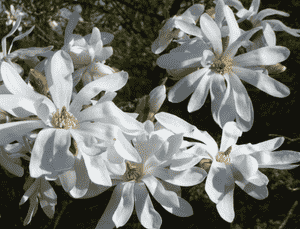
A leaf-shedding bush recognized for its initial spring blooms, star magnolia thrives with careful trimming to preserve its form and stimulate abundant flowering. Essential methods involve reducing dense branches and removing frail or lifeless wood. Trimming ought to take place immediately following the blooming period in late spring to early summer to prevent interfering with flower development. For star magnolia specifically, pruning improves air movement and light exposure, which are vital for vivid flower output and warding off illnesses.
What Are the Benefits of Pruning Star Magnolia?
What Are the Benefits of Pruning Star Magnolia?
Trimming star magnolia promotes abundant flowering and strengthens its resistance to pests and diseases, ensuring a robust, attractive specimen.
What Is the Best Time for Pruning Star Magnolia?
What Is the Best Time for Pruning Star Magnolia?
Late spring and early summer are considered ideal for pruning star magnolia, following its blooming period. Star magnolia flowers early in spring, typically before leafing out. Pruning immediately after flowering allows for clear visibility of the plant's structure and ensures only spent blooms and unwanted branches are removed, preserving next year's flower buds. This timing also permits star magnolia to recover from cuts during its active growth phase, reducing stress and disease risk associated with colder, wetter seasons. Furthermore, since the plant hasn't invested significant energy in leaf development, this energy can be redirected towards healing and new growth, leading to a healthier plant with improved shape and increased vigor for the subsequent season.
What Tools Do I Need to Prune Star Magnolia?
Hand Pruners
Perfect for precise cuts on star magnolia's smaller branches. Both anvil and bypass pruners work, but bypass pruners are generally preferred for their clean, close cuts, which are better for plant tissue.
Loppers
These are useful for reaching into denser areas of star magnolia and cutting slightly thicker branches that hand pruners can't manage. They offer leverage for clean cuts without harming the branch collar.
Pruning Saw
A pruning saw might be needed for occasional removal of branches thicker than what loppers can handle. Choose a fine-toothed saw for clean cuts on star magnolia's wood to prevent tearing and encourage faster healing.
Pruning Shears
Helpful for shaping star magnolia and snipping off smaller, more delicate growth or spent flowers with accuracy, minimizing damage to surrounding plant tissue.
Pole Pruner
If star magnolia has matured and has branches out of normal reach, a pole pruner can be used to cut higher branches without a ladder, ensuring safety and extended reach.
Wound Sealant
Although not a cutting tool, applying a wound sealant after cuts on branches thicker than an inch can help protect star magnolia from diseases and pests.
How to Prune Star Magnolia
Step1: Tool Preparation and Sterilization
Gather the necessary pruning tools for star magnolia, such as clean, sharp bypass pruners, loppers, and a pruning saw for larger branches. Sterilizing tools with alcohol or a 10% bleach solution is vital to prevent disease spread.
Step2: Optimal Pruning Timing
Prune star magnolia in late winter or early spring before new growth begins. This timing aids quick recovery and lessens the risk of exposing fresh wounds to harsh weather.
Step3: Deadwood Identification
Identify deadwood by looking for branches lacking green, flexible wood or buds. These branches often snap easily and appear dry and brittle.
Step4: Deadwood Removal Technique
Carefully remove deadwood from star magnolia by cutting just above healthy tissue. Make the cut at a 45-degree angle to allow water runoff and promote healing.
Step5: Disease Inspection Process
Inspect star magnolia for disease signs, such as discolored bark or leaves, cankers, or unusual growths. Isolate diseased branches from healthy ones to prevent pathogen spread.
Step6: Diseased Branches Excision
Cut away diseased branches from star magnolia, ensuring to cut well into healthy wood, at least several inches below infected sections for complete removal of affected tissue.
Step7: Weak Shoots Detection
Identify weaker shoots on star magnolia that may be overcrowding the plant or not contributing to a desired shape. These typically appear thinner, less robust, and may grow at odd angles.
Step8: Thinning Out Weaker Shoots
Prune out weaker shoots by cutting them back to their origin point or to a strong lateral branch. This redirects the plant's energy to stronger, more desirable growth and promotes a sturdy structure.
Step9: Canopy Structure and Spacing
Conduct a final inspection of star magnolia to ensure good branch spacing and a balanced canopy that allows light penetration and air circulation.
Step10: Pruning Debris Clearance
Clear all removed material from around star magnolia to prevent disease organisms from remaining, and dispose of them properly, especially diseased branches.
Step11: Post-Pruning Plant Care
Monitor star magnolia after pruning for stress or disease signs and provide appropriate care, such as watering, mulching, and feeding, to support its recovery and growth.
Post-Pruning Care for Star Magnolia
Post-Pruning Care for Star Magnolia
Immediately after pruning star magnolia, water thoroughly to reduce stress and aid healing. Manage light exposure by placing star magnolia in bright, indirect light to prevent sunburn on fresh cuts. Maintain humidity and cool temperatures to support recovery, avoiding extreme fluctuations. Apply a balanced, slow-release fertilizer to nourish star magnolia and encourage healthy regrowth, always following manufacturer guidelines. Regularly check for stress signs, such as wilted or discolored leaves, and infection, such as oozing or blackened areas. Consult a horticulturist if adverse symptoms persist.
Common Pruning Mistakes with Star Magnolia
Excessive Pruning Causes Sparse Blooms and Shape Damage
Over-pruning the star magnolia can result in fewer blooms or harm to the plant's natural form. Removing more than a third of the branches in a single season is generally not advised.
Old Wood Cuts Reduce Flowering Potential
Cutting into old wood that no longer produces new shoots deprives the star magnolia of potential flowering sites, as star magnolia blooms on old wood.
Ignoring Dead Wood Invites Pests and Disease
Failing to remove dead, damaged, or diseased wood can compromise the star magnolia's health and appearance, as these can act as entry points for pests and diseases.
Dull Tools Cause Jagged Cuts and Disease
Using dull or dirty pruning tools can lead to uneven cuts and introduce diseases to the star magnolia.
Common Pruning Tips for Star Magnolia
Deadheading Spent Flowers Saves Energy for Growth
Snip off spent flowers just below the bloom's base to maintain a tidy look and prevent the star magnolia from expending energy on seed production.
Thin Branches for Better Light and Air Flow
Thin out crowded areas by removing selected branches to improve sunlight penetration and air circulation, which promotes healthy growth and reduces disease risk in star magnolia.
Angle Cuts for Directed Growth and Structure Health
Make clean cuts at a 45-degree angle just above an outward-facing bud to encourage new growth in a desired direction without harming the star magnolia's natural structure.
Use Sharp, Clean Tools for Smooth Cuts
Use sharp, clean pruning shears or a pruning saw, depending on branch thickness, to create smooth cuts that heal quickly and minimize stress on the star magnolia.
Remove Dead Branches Regularly for Plant Health
Regularly inspect the star magnolia for any signs of dead or diseased branches and remove them promptly to maintain the plant's health.



