How to Prune Saucer magnolia?
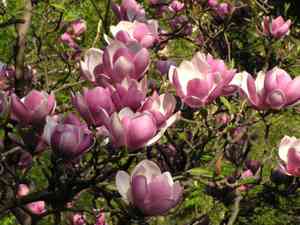
This magnolia variety, which sheds its leaves and is recognized for its prominent, attractive blossoms and expansive foliage, flourishes with limited trimming. Essential methods involve excising deceased or compromised branches and contouring during its inactive period, generally from late winter to early spring. Trimming after the blooming phase safeguards the buds formed for the subsequent season. Advantages encompass sustaining the saucer magnolia's vitality and fostering abundant flowering. Precise cuts facilitate healing and deter ailments. Exercise restraint when pruning, as the saucer magnolia exhibits a gradual response to reduction.
What Are the Benefits of Pruning Saucer Magnolia?
What Are the Benefits of Pruning Saucer Magnolia?
Trimming saucer magnolia promotes vigorous development and maintains an appealing shape; it can revitalize the tree's structure for enhanced health and visual appeal. Strategic cuts boost vitality, ensuring abundant blooming seasons.
What Is the Best Time for Pruning Saucer Magnolia?
What Is the Best Time for Pruning Saucer Magnolia?
During late winter, saucer magnolia remains dormant, which minimizes stress and lowers the chance of disease transmission through pruning wounds. Trimming just before the spring growth surge allows saucer magnolia to recover quickly and directs the plant's energy into developing a robust new growth structure. Furthermore, since saucer magnolia flowers on old wood, pruning after the blooming season might remove next year's buds, so late winter to early spring pruning helps preserve the upcoming blossoms. This timing also enables gardeners to remove any dead or broken branches caused by winter weather before new growth commences.
What Tools Do I Need to Prune Saucer Magnolia?
Bypass Pruners
Perfect for making clean cuts on live wood and branches of saucer magnolia up to 3/4 inches in diameter. They function like scissors, with two curved blades that pass each other, minimizing plant harm.
Loppers
Crucial for cutting thicker branches, typically up to 2 inches in diameter. The long handles provide leverage to make pruning of saucer magnolia easier and more precise.
Pruning Saw
Utilized for branches over 2 inches thick that cannot be managed by loppers. A sharp, curved blade assists in making cleaner cuts through the tougher parts of saucer magnolia, ensuring rapid healing and reduced disease risk.
Pole Pruner
Enables gardeners to safely trim higher branches of saucer magnolia without using a ladder. The pole offers extended reach, and it includes a saw and a lopper attachment.
Gardening Gloves
Offer hand protection while pruning saucer magnolia, decreasing the risk of scratches and ensuring a safer gardening experience.
Disinfectant
Before and after pruning saucer magnolia, it's vital to sanitize tools to prevent disease spread. Use a household disinfectant or a 10% bleach solution.
How to Prune Saucer Magnolia
Step1: Timing for Post-Bloom Pruning
Select the appropriate time to prune saucer magnolia, ideally after it has finished flowering in late spring or early summer, to avoid cutting off any of next year's buds.
Step2: Preparing Sterile Pruning Tools
Prepare clean, sharp pruning tools to make precise cuts and reduce the risk of disease. Disinfect your tools with a solution of 1 part bleach to 9 parts water between cuts, especially when dealing with diseased wood.
Step3: Removing Dead Branches
Begin with deadwood removal. Identify dead branches by their dry, brittle appearance and lack of leaves or buds. Cut dead branches back to the base or to a lateral branch with healthy growth, making a clean cut just outside the branch collar.
Step4: Pruning for Natural Plant Shape
Assess the saucer magnolia for overgrown branches that disrupt the plant's natural form. These might be branches that cross over others or grow at awkward angles. Prune back overgrown branches to a lateral branch or bud that faces in an outward direction, encouraging a more open, attractive shape.
Step5: Isolating and Removing Diseased Wood
Identify diseased wood, which might have signs of fungus, discoloration, or decay. Isolate and promptly remove these branches, cutting well into healthy wood beyond the diseased area to ensure all affected material is removed.
Step6: Thinning for Light and Air Circulation
Thin out the interior of saucer magnolia as needed to increase light penetration and air circulation which helps reduce the risk of disease. Remove some of the smaller branches inside the canopy, taking care not to remove more than one-third of the foliage in a single season.
Step7: Angle Cuts for Healthy Growth
Make all cuts at a 45-degree angle, facing away from the bud or branch you are cutting back to, to ensure water runs off the cut surface and reduce the risk of disease.
Step8: Clear Debris to Prevent Disease
Clean up all debris from around the saucer magnolia after pruning to prevent the spread of disease and pests. Dispose of diseased wood properly and do not compost to avoid contaminating your compost pile.
Step9: Post-Pruning Plant Care
Monitor the saucer magnolia after pruning for signs of new growth or any issues. Providing it with appropriate water and fertilizer can help it recover from pruning and promote healthy growth.
Post-Pruning Care for Saucer Magnolia
Post-Pruning Care for Saucer Magnolia
Immediately after trimming saucer magnolia, water thoroughly to alleviate stress and promote healing. Maintain consistent soil moisture and shield the plant from extreme temperatures. Position saucer magnolia in a location with filtered sunlight. Adjust humidity levels, especially in arid conditions. Apply a balanced, slow-release fertilizer to support new growth, avoiding excessive fertilization. Regularly inspect pruned areas for signs of disease or infestation; apply appropriate fungicides or pesticides if necessary. Monitor growth and leaf health, providing optimal care to ensure a robust recovery.
Common Pruning Mistakes with Saucer Magnolia
Over-pruning
Trimming too much at once, which can stress saucer magnolia and lead to poor flowering or growth.
Using Dull or Dirty Tools
Using dull or unclean pruning tools, which can damage saucer magnolia's branches and increase the risk of disease.
Over-trimming Lower Branches
Removing too many lower branches, potentially leading to a leggy appearance and reduced overall stability.
Improper Cut Placement
Making cuts too close to the main trunk, which can harm saucer magnolia and impede the healing process.
Neglecting Dead or Weak Branches
Neglecting to remove weak, crossing, or dead branches, which can affect saucer magnolia's health and shape.
Common Pruning Tips for Saucer Magnolia
Clean, Sharp Cuts
Use clean, sharp tools to make precise cuts that promote quick healing.
Maintain Natural Shape
Prune to maintain saucer magnolia's natural shape, removing only necessary branches to encourage a balanced form.
Correct Directional Pruning
Cut back to a lateral branch or bud that faces the direction you want new growth to follow.
Remove Dead or Damaged Wood
Remove any dead, diseased, or damaged wood to maintain saucer magnolia's health and aesthetics.
Enhance Light and Air Flow
Thin out the center of saucer magnolia to increase light penetration and air circulation, enhancing flower development.
Selective Pruning
Practice selective pruning to remove just enough growth to shape saucer magnolia while preserving its ability to flourish.



