How to Prune Purple loosestrife?
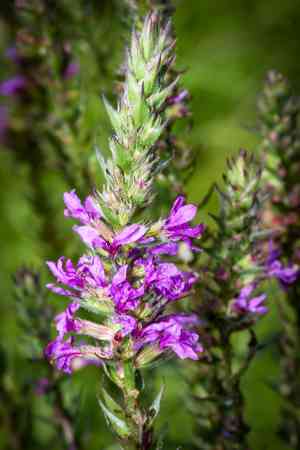
This lofty, herbaceous perennial showcases slender spires of vibrant violet blossoms. For purple loosestrife, strategic trimming boosts development and hinders self-propagation. Sever stems to the soil level in early spring prior to the appearance of fresh sprouts. Routinely remove spent flowers to foster ongoing blooming and inhibit dissemination. In late autumn, an additional cut manages dimensions and form. Advantages encompass fostering more robust, thriving growth and mitigating invasive characteristics. Exercise caution when pruning to uphold preferred visual appeal and ecological equilibrium.
What Are the Benefits of Pruning Purple Loosestrife?
What Are the Benefits of Pruning Purple Loosestrife?
Trimming purple loosestrife is essential for encouraging robust new stem development, which subsequently boosts flower production. Consistent cutting helps maintain the plant's form and dimensions, preventing it from dominating garden areas or natural environments.
What Is the Best Time for Pruning Purple Loosestrife?
What Is the Best Time for Pruning Purple Loosestrife?
Trimming purple loosestrife in early spring allows gardeners to remove any lifeless or damaged tissue before the plant begins its vigorous growth phase, promoting healthier development and preventing disease transmission. It also offers a chance to shape the plant and manage its size before it becomes too large. Late autumn is equally suitable as purple loosestrife has finished its flowering and seed-setting period, minimizing the risk of seed dispersal and aiding in controlling its invasive nature. Pruning at this time will also prepare purple loosestrife to conserve energy for the winter dormancy, encouraging a more robust return in the spring.
What Tools Do I Need to Prune Purple Loosestrife?
Hand Pruners
Hand pruners, also known as secateurs, are perfect for cutting through the soft, green stems of purple loosestrife. They provide accuracy for deadheading or shaping the plant.
Loppers
For thicker stems that hand pruners cannot manage, loppers are appropriate. They offer leverage to make clean cuts without harming the plant.
Pruning Saw
If purple loosestrife has matured and developed thicker woody stems, a pruning saw is necessary for making larger cuts without compromising the plant's overall health.
Gloves
Wearing gloves is crucial to shield hands from thorns and sap while trimming purple loosestrife.
Garden Shears
For trimming and shaping the softer, outer parts of purple loosestrife, garden shears can be used to quickly and cleanly snip through multiple stems simultaneously.
How to Prune Purple Loosestrife
Step1: Plant Identification and Timing
Identify the purple loosestrife by its tall stature and spikes of pinkish-purple flowers. Ensure that you are pruning at the correct time of year, which is late winter or early spring before new growth commences.
Step2: Tools Sanitization
Sanitize your pruning shears before you begin to prevent the spread of disease. Use a 10% bleach solution or rubbing alcohol to disinfect the blades.
Step3: Deadheading Flowers
Remove the dead flowers by cutting them back to the base of the flower spike. Make clean cuts just above a leaf node or side shoot to encourage new growth.
Step4: Shaping and Trimming Stems
Trim overgrown stems to maintain the desired shape and size of the purple loosestrife. Cut just above a healthy set of leaves or a branching point to promote a fuller plant.
Step5: Thinning Dense Foliage
Thin out dense areas by removing some of the older stems at their base. This will improve air circulation and light penetration, reducing the risk of disease.
Step6: Hard Pruning for Rejuvenation
If necessary, cut back the entire plant to about one-third of its original height to rejuvenate it. This encourages new growth and helps maintain a more compact form.
Step7: Cleanup of Pruning Debris
Collect and dispose of all pruned material to minimize the chance of spreading any pests or diseases.
Step8: Post-Pruning Care
After pruning, water the plant well and apply a layer of mulch to help retain moisture and suppress weeds.
Step9: Growth Monitoring and Maintenance
Monitor the purple loosestrife for new growth and additional pruning needs throughout the growing season. Additional light trimming might be necessary to remove any dead or diseased stems.
Step10: Environmental Consideration and Disposal
Consider the plantâs environment and potential invasiveness. In some areas, purple loosestrife is considered invasive. Always dispose of plant material responsibly and avoid pruning techniques that encourage its spread.
Post-Pruning Care for Purple Loosestrife
Post-Pruning Care for Purple Loosestrife
Immediately after pruning purple loosestrife, irrigate the plant to support healing and reduce stress. Ensure purple loosestrife is exposed to adequate but not excessive sunlight, maintaining moderate humidity and temperature. Supplement with balanced slow-release fertilizer to aid in recovery. Monitor purple loosestrife for wilting or discoloration indicative of stress or infection. Should these signs appear, adjust care and consider consulting an expert for potential disease management.
Common Pruning Mistakes with Purple Loosestrife
Over-pruning Shock to Plant's Health
Pruning purple loosestrife too severely in one session can shock the plant, affecting its health and blooming. Aim for moderate, consistent pruning.
Pathogen Spread from Dirty Tools
Not disinfecting pruning tools before use can introduce pathogens to purple loosestrife, leading to disease. Always use clean, sterilized tools.
Limiting Bloom by Cutting New Growth
Removing new growth instead of just the dead or diseased stems can limit the flowering potential of purple loosestrife. Focus on cutting away only the parts that do not contribute to the plant's vigor.
Overgrowth from Infrequent Pruning
Neglecting to prune purple loosestrife regularly can lead to an overgrown and unmanageable plant, which is harder to restore and may not flower as well.
Common Pruning Tips for Purple Loosestrife
Healthy Buds Encourage Full Branching
Identify and cut back to a healthy set of leaves or buds to encourage purple loosestrife to branch out and become more full-bodied.
Clean Cuts with Sharp Tools for Better Healing
Use sharp and precise tools to make clean cuts on purple loosestrife, which will heal more effectively than jagged or torn wounds.
Selective Pruning for Second Bloom and Invasive Control
After flowering, selectively prune spent blooms of purple loosestrife to stimulate a second blooming and prevent self-seeding, especially since it is considered invasive in some areas.
Prune to Maintain Natural Shape
Maintain the natural shape of purple loosestrife when pruning, gently shaping the plant rather than imposing an unnatural form that can impact its growth.



