How to Prune Large yellow loosestrife?
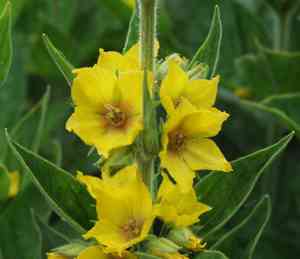
Celebrated for its tall clusters of bell-shaped, speckled yellow blossoms and verdant leaves, Lysimachia punctata brings a vibrant touch to landscapes. To ensure peak vitality and flowering, perform pruning in early spring by removing leggy or lifeless stalks down to the ground. Foster a denser form by nipping off tips in late spring. Consistent removal of spent flowers in late summer prolongs the blooming period and deters unwanted self-propagation. Trimming benefits Lysimachia punctata by preserving a dense structure and stimulating robust development. Refrain from autumn pruning to safeguard emerging buds.
Advantages of Trimming Large Yellow Loosestrife
Advantages of Trimming Large Yellow Loosestrife
Trimming large yellow loosestrife promotes vigorous development and helps maintain its form, ensuring the plant stays healthy and visually appealing in the garden.
Optimal Time for Trimming Large Yellow Loosestrife
Optimal Time for Trimming Large Yellow Loosestrife
Trimming in early spring is beneficial as large yellow loosestrife is emerging from dormancy and hasn't yet used energy on new growth. This allows the plant to recover quickly and direct its energy to producing healthy new shoots. Late summer trimming aligns with post-flowering, a period when removing spent blooms and any excess growth can stimulate better plant health and prepare large yellow loosestrife for the next season. Avoid cutting during the active growth phase in late spring and early summer, as this is when the plant focuses on blooming and can be more vulnerable to stress. Additionally, fall trimming is not recommended since new growth spurred by cutting might not harden off before winter, leading to frost damage.
Tools Required for Trimming Large Yellow Loosestrife
Bypass Pruners
These are suitable for making clean cuts on the relatively soft stems of large yellow loosestrife. They are ideal for selectively removing individual stems or faded flowers to encourage more blooming and prevent excessive self-seeding.
Shears
For shaping and managing the spread of large yellow loosestrife, especially when it becomes too dense or when you are cutting back large sections of the plant after flowering, garden shears can provide a straight, even cut across multiple stems.
Gloves
Wearing gloves is crucial when trimming large yellow loosestrife to protect hands from any sap that might cause skin irritation and to ensure a firm grip on tools despite potentially wet conditions, as large yellow loosestrife often thrives in moist areas.
Garden Fork
Before trimming, it might be necessary to divide large yellow loosestrife by lifting clumps with a garden fork. This helps maintain its health and manage its growth as large yellow loosestrife can become quite aggressive in the garden.
Loppers
These may be needed for older, woodier stems that are too thick for bypass pruners to cut cleanly. Loppers offer more leverage and can handle stems with a larger diameter.
Pruning Saw
In the event that large yellow loosestrife develops very thick, woody bases over the years, a pruning saw might be required for effective removal of these parts without damaging the tool or the plant.
How to Trim Large Yellow Loosestrife
Step1: Timing Trimming Post-Flowering
Wait for the appropriate time to trim large yellow loosestrife, which is typically after the plant has bloomed in late summer to early fall. This ensures that you do not remove the flower buds for the subsequent season.
Step2: Sanitize Trimming Tools
Sanitize the trimming tools before use to prevent the spread of disease. Clean your shears or clippers with a solution of 1 part bleach to 9 parts water.
Step3: Deadheading Spent Blooms
Begin trimming by removing the faded flowers. Cut the spent flower stems back to the plant's base or to the first set of leaves. This process, known as deadheading, encourages more blooms and prevents large yellow loosestrife from self-seeding excessively.
Step4: Remove Weak Spindly Stems
Identify spindly stems, which are thin, weak, and leggy. Remove these to improve air circulation and light penetration. Cut these stems back to a healthy set of leaves or to the plant's base if the entire stem is weak.
Step5: Cut Away Diseased Foliage
Carefully examine large yellow loosestrife for any signs of diseased foliage, such as unusual spots, discoloration, or decay. Cut away affected leaves and stems, making the cut into healthy tissue well below the diseased areas. Dispose of the diseased material away from your garden to prevent infection spread.
Step6: Shape Plant for Natural Appearance
Shape the remaining plant by selectively trimming overgrown or misshapen sections. Aim to create a natural appearance, maintaining the mound shape that large yellow loosestrife typically forms. Do not cut more than one-third of the overall plant to avoid stress.
Step7: Cleanup Debris Around Plant
After trimming, clean the area around large yellow loosestrife to remove any fallen debris. This helps to keep the area free from potential disease and pests.
Step8: Water Plant Lightly Post-Trimming
Water large yellow loosestrife lightly after trimming to help reduce stress on the plant and aid in recovery. Ensure good drainage as large yellow loosestrife does not like overly wet conditions.
Step9: Monitor Plant Health and Growth
Monitor large yellow loosestrife for a response to trimming, tracking new growth and the plantâs overall health. If issues persist, consider adjusting care methods or consulting a local extension service or experienced gardener for advice.
Post-Trimming Care for Large Yellow Loosestrife
Post-Trimming Care for Large Yellow Loosestrife
Immediately after trimming large yellow loosestrife, water it thoroughly to alleviate stress. Maintain a balance of indirect sunlight and partial shade; avoid intense light that can overwhelm recovering foliage. Ensure consistent humidity and a temperature range of 60-75°F to support healing. Apply a balanced, slow-release fertilizer to nourish new growth. Monitor large yellow loosestrife for wilting, discoloration, or signs of infection, acting promptly with appropriate fungicides or pest control if symptoms arise. Regular observation and gentle care will promote robust resurgence.
Common Trimming Mistakes with Large Yellow Loosestrife
Over-Trimming: Excessive Cutting Reduces Blooms
Cutting back large yellow loosestrife too much can result in the loss of next season's blooms or cause undue stress to the plant.
Neglecting to Remove Unhealthy Stems
Failing to remove dead, diseased, or damaged stems during trimming, which could compromise the overall health and appearance of large yellow loosestrife.
Using Dirty Trimming Tools Spreads Disease
Overlooking the need for cleanliness and using unsterilized trimming tools can spread disease to large yellow loosestrife from other plants.
Common Trimming Tips for Large Yellow Loosestrife
Proper Cut Technique: Sharp, Clean Shears
When trimming large yellow loosestrife, use sharp, clean shears to make precise cuts, which will help prevent damage and disease.
Selective Thinning for Improved Air and Light
Perform selective thinning of crowded stems to improve air circulation and light penetration, encouraging a healthier and more robust large yellow loosestrife.
Post-Flowering Cutting Encourages Growth
After flowering, cut back the flowered stems to the base to promote new growth and a tidy appearance for large yellow loosestrife.



