How to Prune Gooseneck loosestrife?
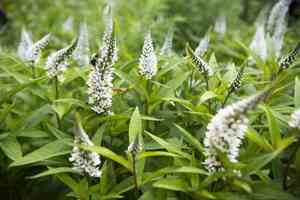
A persistent plant featuring curved white floral stalks, gooseneck loosestrife is recognized for its robust development. Deadhead faded blossoms to stimulate further flowering and preserve its form. Drastically trim in late autumn to curb its expansion. Trimming in spring can also regulate its dimensions and foster denser foliage. Summer pruning aids in revitalizing elongated specimens. The advantages of pruning encompass improved flowering, regulated development, and the prevention of prolific self-propagation, which might result in garden invasiveness.
What Are the Benefits of Pruning Gooseneck Loosestrife?
What Are the Benefits of Pruning Gooseneck Loosestrife?
Trimming gooseneck loosestrife promotes a more abundant flowering period and vigorous development. Strategic cuts help preserve its distinct form and prevent excessive growth. This rejuvenates gooseneck loosestrife, ensuring vitality and plant well-being.
What Is the Best Time for Pruning Gooseneck Loosestrife?
What Is the Best Time for Pruning Gooseneck Loosestrife?
Pruning gooseneck loosestrife from late winter to early spring prepares it for strong growth by removing dead or damaged stems before new shoots emerge, improving plant health and structure. Pruning immediately after blooming allows gardeners to enjoy the flowers before cutting back the plant, ensuring that pruning does not hinder the formation of flower buds for the subsequent season. During this period, gooseneck loosestrife's growth cycle is at a point where it can recover and regrow quickly, maintaining its visual appeal and overall health.
What Tools Do I Need to Prune Gooseneck Loosestrife?
Bypass pruners
Perfect for making clean cuts on gooseneck loosestrife without crushing stems, ensuring healthy regrowth.
Garden shears
Suitable for shaping gooseneck loosestrife and quickly trimming soft foliage during active growth periods.
Handheld pruning saw
Effective for removing thicker, woody stems that older gooseneck loosestrife specimens might possess, without harming adjacent plant parts.
Pruning gloves
Protects hands from scratches and potential skin irritants when handling gooseneck loosestrife, providing safety during the pruning process.
Garden waste bags
Essential for collecting and disposing of pruned material from gooseneck loosestrife, keeping the garden tidy and preventing the spread of any disease.
How to Prune Gooseneck Loosestrife
Diseaseremoval
Identify and carefully remove any diseased leaves from gooseneck loosestrife using clean, sharpened pruning shears. Ensure to make the cuts close to the stem to avoid leaving stubs that could harbor diseases.
Witheredleafremoval
Locate withered or dead leaves on gooseneck loosestrife and snip them at the base where the leaf stem (petiole) meets the main stem or at the natural abscission zone where dead leaves separate easily.
Disinfecttools
After trimming each diseased part, disinfect the pruning shears with a solution of 1 part bleach to 9 parts water or rubbing alcohol to prevent spreading pathogens to healthy parts of gooseneck loosestrife.
Healthygrowthobservation
Inspect gooseneck loosestrife for any signs of new growth, ensuring that the pruning has not stimulated excessive unwanted sprouting that may need thinning or direction correction.
Cleanup
Collect and dispose of all removed debris from around gooseneck loosestrife to maintain a clean environment that discourages the development of pests and diseases.
Common Pruning Mistakes with Gooseneck Loosestrife
Over Pruning
Removing too much foliage from gooseneck loosestrife can stress the plant and reduce its vigor. Aim to prune no more than one-third of the plant at a time to maintain its health.
Pruning Healthy Growth
Cutting back healthy, unblemished stems can reduce the plant's flowering potential. Focus on removing only the damaged or unwanted growth to encourage more blooms.
Ignoring Plant Shape
Neglecting to consider gooseneck loosestrife's natural shape while pruning can lead to an unbalanced appearance. Prune with the plantâs natural arching habit in mind to maintain its aesthetics.
Improper Tool Use
Utilizing dull or unclean pruning tools can cause damage to gooseneck loosestrife's stems, making them susceptible to disease. Always use sharp and sterile tools for clean cuts.
Inaccurate Cut Location
Making cuts too far from a node or too close to the main stem can hinder gooseneck loosestrife's ability to heal and regrow effectively. Cut just above a node or branching point for best results.
Common Pruning Tips for Gooseneck Loosestrife
Remove Damaged Stems
Identify and trim away any dead, diseased, or damaged stems to prevent the spread of disease and to tidy up gooseneck loosestrife. This helps maintain the plant's health and aesthetic appeal.
Thin Crowded Areas
To improve air circulation and light penetration, thin out crowded areas by selectively pruning stems. This encourages robust growth and reduces the risk of disease.
Shape Conservation
To conserve the natural shape of gooseneck loosestrife, selectively prune to enhance the gooseneck curve of the blooms. This will keep the unique appearance of the plant intact.
Encourage Bushiness
Pruning tips can stimulate gooseneck loosestrife to grow more bushy and full. Make selective cuts to encourage branching, resulting in a denser plant.
Post Bloom Pruning
After gooseneck loosestrife has finished flowering, it's a good time to prune to manage size and remove spent flowers. This can encourage a tidy habit and potentially a second flush of blooms.



