How to Prune Small-flower wood-rush?
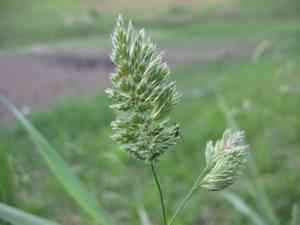
Luzula parviflora is a perennial plant characterized by its delicate, grass-like leaves and tiny blossoms. Perform pruning on Luzula parviflora in the early spring or late winter to eliminate any deceased or compromised foliage and manage its expansion. Reduce any congested areas to enhance air movement and light exposure, thereby boosting the plant's general well-being. Consistent trimming fosters more compact development and elevates the plant's aesthetic quality. Always utilize sanitized, sharp implements to avert the spread of pathogens. Consult reputable gardening resources for comprehensive maintenance instructions.
What Are the Benefits of Pruning Small-flower Wood-rush?
What Are the Benefits of Pruning Small-flower Wood-rush?
Pruning Small-flower wood-rush encourages robust development, maintains its form, and enhances its overall look. Regular trimming helps manage size, eliminates diseased or pest-ridden sections, and fosters healthier, denser foliage, ensuring strong plant vitality.
What Is the Best Time for Pruning Small-flower Wood-rush?
What Is the Best Time for Pruning Small-flower Wood-rush?
Pruning in early spring and late winter is optimal for Small-flower wood-rush, as these times align with dormancy or the very beginning of the growth period. This timing minimizes plant stress and promotes vigorous new growth in spring. Additionally, pruning before active growth helps maintain plant health and encourages a more prolific flowering season. Pruning during these seasons helps prevent diseases and pests that could exploit fresh cuts during active growth.
What Tools Do I Need to Prune Small-flower Wood-rush?
Bypass Pruners
Perfect for clean cuts on live plant tissue, preventing damage to the delicate stems of Small-flower wood-rush.
Pruning Shears
Useful for trimming and shaping, allowing precise control over the small, dense clumps typical of Small-flower wood-rush.
Garden Scissors
Best for detailed tasks, such as removing spent blooms or dead leaves, due to their superior control.
Handheld Snips
Ideal for precise pruning, ensuring accurate cuts without harming adjacent growth.
How to Prune Small-flower Wood-rush
Inspect
Thoroughly examine Small-flower wood-rush to identify any diseased or withered leaves that need removal. Look for signs of discoloration, spots, or decay.
Sanitize
Clean your pruning tools with a disinfectant solution to prevent disease spread. This step is vital for plant health.
Remove diseased
Carefully trim away any diseased leaves using sanitized pruning shears. Cut close to the leaf base, ensuring no diseased material remains.
Remove withered
Trim off any withered leaves, making clean cuts to prevent tearing. Removing dead material promotes better air circulation and overall plant health.
Dispose
Properly dispose of all removed plant material in a sealed bag or compost bin to avoid reintroducing disease to Small-flower wood-rush or nearby plants.
Common Pruning Mistakes with Small-flower Wood-rush
Excessive pruning
Cutting back too much of Small-flower wood-rush's foliage can hinder its natural growth and cause plant stress.
Poor timing
Pruning at the wrong time can disrupt Small-flower wood-rush's growth cycle, potentially leading to poor flowering and weakened health.
Improper tools
Using dull or unclean tools can cause ragged cuts that increase the risk of disease and pest infestation.
Neglecting to prune
Failure to prune can lead to overcrowded foliage, reducing air circulation and increasing susceptibility to mold and pests.
Incorrect cutting technique
Making uneven or improper cuts can unnecessarily damage the plant, leading to slow recovery or permanent harm.
Common Pruning Tips for Small-flower Wood-rush
Use sharp tools
Always use clean and sharp pruning tools to make clean cuts, which will heal faster and reduce disease risk.
Focus on dead or damaged parts
Prioritize removing dead, damaged, or diseased leaves and stems to promote Small-flower wood-rush's overall health and prevent problem spread.
Maintain natural shape
Aim to maintain the natural shape of Small-flower wood-rush during pruning to ensure healthy, balanced growth.
Thin out overcrowded areas
Thinning out overcrowded areas will improve air circulation and light penetration, reducing mold risk and enhancing growth.
Make precise cuts
Ensure each cut is made just above a node or bud to encourage new growth in the desired direction.



