How to Prune Wild Perennial Lupine?
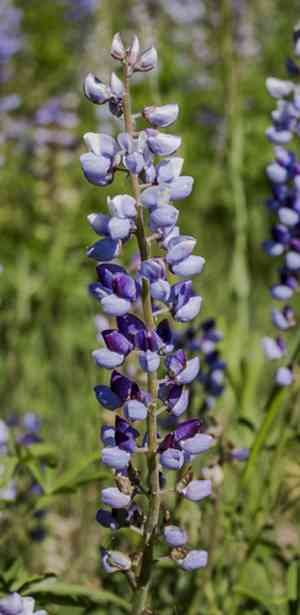
Wild Perennial Lupine, a member of the pea family, showcases striking blue flower spikes and enriches the soil with nitrogen. To stimulate further blossoms, remove faded flower stalks. While removing spent blooms after the first flowering reduces seed output, it encourages a subsequent bloom. Perform light trimming to preserve its form and eliminate any diseased or compromised stems. The ideal time for pruning is in spring once the danger of frost has passed, but prior to the emergence of new growth; light trimming can also be done during summer and autumn. Pruning enhances the plant's vitality and aesthetic appeal, guaranteeing a strong presence in the garden.
What Are the Benefits of Pruning Wild Perennial Lupine?
What Are the Benefits of Pruning Wild Perennial Lupine?
Trimming wild Perennial Lupine promotes larger, more vibrant blossoms and stimulates robust development, ensuring a dense form. Strategic cuts maintain plant health and shape, enhancing its decorative value.
What Is the Best Time for Pruning Wild Perennial Lupine?
What Is the Best Time for Pruning Wild Perennial Lupine?
Spring pruning aligns with wild Perennial Lupine's initial growth, allowing for the removal of dead or damaged parts without affecting the primary growing season. Early Summer pruning benefits wild Perennial Lupine, as it encourages new growth after the first flowering and aids in managing size and form. Fall pruning suits wild Perennial Lupine's life cycle by preparing it for winter dormancy and preventing damage from cold weather, without interfering with the plant's flowering and seed production which occurs in late Spring or early Summer.
What Tools Do I Need to Prune Wild Perennial Lupine?
Bypass Pruners
Perfect for making clean cuts on the green, living growth of wild Perennial Lupine, causing minimal harm to the plant's tissues.
Pruning Shears
These are well-suited for snipping delicate stems and removing spent flowers of wild Perennial Lupine, which can encourage further blooming.
Gloves
Protect the gardener's hands when trimming wild Perennial Lupine, as it may have fine hairs that can cause skin irritation to some individuals.
Garden Scissors
Can be used for precise work on wild Perennial Lupine, such as shaping and thinning out small, accessible areas without harming nearby stems or blooms.
How to Prune Wild Perennial Lupine
Disinfect Tools
Before beginning, ensure all pruning tools are sanitized to prevent the spread of disease to wild Perennial Lupine.
Remove Diseased Leaves
Carefully trim away any diseased leaves from wild Perennial Lupine using clean, sharp shears, cutting at the base of the stem to reduce the chance of infection.
Trim Withered Leaves
Trim any withered leaves from wild Perennial Lupine by cutting them at the point where the leaf stem meets the main plant stem to promote healthy growth and improve air circulation.
Deadhead Flowers
Remove the withered flowers of wild Perennial Lupine by making an angled cut just above a leaf node or lateral branch to encourage rebloom and prevent seed formation if undesired.
Clean Up
After pruning wild Perennial Lupine, remove all debris from the area to minimize the risk of pests and disease, and compost healthy trimmings when appropriate.
Common Pruning Mistakes with Wild Perennial Lupine
Overpruning
Gardeners may excessively trim wild Perennial Lupine, removing too much foliage which can weaken the plant or reduce flowering.
Pruning Too Early
Cutting back wild Perennial Lupine before it has a chance to store energy in the roots after flowering can compromise its vigor.
Cutting Into Old Wood
Trimming wild Perennial Lupine into old wood from which new shoots are unlikely to emerge can result in bare patches and diminished aesthetic appeal.
Ignoring Deadheads
Neglecting to remove spent blooms ('deadheading') can lead to a decrease in wild Perennial Lupine's blooming potential.
Uneven Cuts
Making jagged or uneven cuts can damage wild Perennial Lupine's stems, exposing the plant to diseases and pests.
Disregarding Tool Hygiene
Using dirty pruning tools can introduce pathogens to wild Perennial Lupine, potentially causing infections.
Common Pruning Tips for Wild Perennial Lupine
Sharp Tools
Use sharp, clean pruning shears to ensure clean cuts and reduce the risk of damaging wild Perennial Lupine's stems.
Deadheading
Regularly remove spent flower spikes after blooming to encourage wild Perennial Lupine to produce additional flowers and prevent unnecessary seed dispersal.
Selective Thinning
Thin out crowded areas to increase air circulation, which helps to prevent fungal diseases in wild Perennial Lupine.
Light Pruning
Perform light pruning to shape wild Perennial Lupine and maintain a desirable size, rather than aggressive cuts that can stress the plant.
Pruning For Rejuvenation
Cut back some of the older stems to ground level to rejuvenate wild Perennial Lupine and promote fresh, vibrant growth.
Post-Flowering Cuts
Wait until after wild Perennial Lupine has finished flowering to prune, allowing the plant to build up energy reserves in its roots for the next season.



