How to Prune Chilean myrtle?
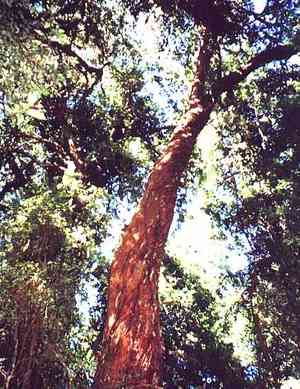
A celebrated evergreen featuring fragrant foliage and blossoms tinged with pinkish-white, chilean myrtle contributes decorative appeal to landscapes. Trim chilean myrtle to preserve its form, eliminate lifeless or ailing branches, and stimulate denser development. The most effective time for trimming is in winter while the plant is inactive, which lessens strain and the possibility of disease. Reducing density in the core section fosters superior air movement, thereby boosting chilean myrtle's general well-being and capacity for blooming. Advantages of trimming encompass enhanced framework, vitality, and prolonged existence.
What Are the Benefits of Pruning Chilean Myrtle?
What Are the Benefits of Pruning Chilean Myrtle?
Trimming chilean myrtle promotes robust development and preserves its desired form. Strategic cuts enhance light penetration and air circulation, fostering a sturdy framework. Regular trimming aids chilean myrtle in producing dense, healthy foliage and can boost its decorative appeal.
What Is the Best Time for Pruning Chilean Myrtle?
What Is the Best Time for Pruning Chilean Myrtle?
Trimming chilean myrtle from late winter to early spring allows the gardener to shape the plant without hindering new growth that emerges in spring. This timing also helps prevent damage to buds that will yield the season's blooms or fruit. Winter trimming minimizes the risk of disease transmission, as many pathogens are dormant during cold weather. Furthermore, the plant's inactive state in winter means less stress from pruning, leading to more vigorous growth in the spring. Another benefit is the ease of pruning when the plant's structure is fully visible without leaves.
What Tools Do I Need to Prune Chilean Myrtle?
Hand pruners
Perfect for making precise cuts on chilean myrtle's smaller branches, ensuring minimal harm to the plant.
Loppers
Useful for reaching into the denser areas of chilean myrtle and severing thicker branches that hand pruners cannot manage.
Pruning saw
Essential for cutting branches too thick for loppers, allowing for accurate removal without harming chilean myrtle.
Hedge shears
Helpful for shaping chilean myrtle during formative trimming or maintaining the plant's intended form.
Pruning gloves
Protect the gardener's hands from scrapes and offer a better grip on the tools while working with chilean myrtle.
How to Prune Chilean Myrtle
Clean Tools
Before trimming chilean myrtle, ensure all pruning implements are clean and sharp to prevent disease spread and to make clean cuts.
Identify
Locate dead or diseased branches on chilean myrtle by observing branches that are discolored, lack foliage, or show signs of infection.
Cut Diseased
Carefully trim diseased branches on chilean myrtle by cutting them back to healthy tissue. Make the cut just above a node or lateral branch, ensuring no stubs are left.
Cut Dead
Remove dead branches from chilean myrtle by cutting them at their point of origin or back to the main trunk, being careful not to damage the collar or healthy tissue.
Cleanup
After trimming chilean myrtle, dispose of dead and diseased material properly to prevent the spread of pathogens. Clean tools thoroughly after use.
Common Pruning Mistakes with Chilean Myrtle
Over Pruning
Removing too much foliage at once can shock chilean myrtle, hindering its growth rather than encouraging it. It's best to trim gradually, ensuring not to remove more than one-third of the plant's total foliage during a single pruning session.
Neglecting Deadwood
Failing to remove dead or diseased wood can lead to pest infestations and diseases spreading throughout chilean myrtle. Regularly checking and removing unhealthy parts of the plant is vital for maintaining its health.
Improper Cut Locations
Making cuts too far from a bud or node can result in dead stubs that invite disease and pests. Conversely, cutting too close can damage the bud or node, impeding new growth. Precise cuts just above nodes encourage proper healing and new growth.
Not Sanitizing Tools
Using unsanitized tools can introduce diseases to chilean myrtle. It's important to clean and sanitize pruning shears and saws before use, especially when moving between plants.
Pruning Without A Plan
Random or unplanned pruning can result in an unbalanced shape and negatively impact the aesthetic appeal and health of chilean myrtle. Before starting, plan out which branches need to be removed for the desired structure and health improvement.
Common Pruning Tips for Chilean Myrtle
Thinning Out
Thinning out dense areas of chilean myrtle helps light and air to penetrate the plant, reducing the risks of fungal diseases and encouraging a stronger, more open structure.
Encouraging Flowering
To help promote flowering in chilean myrtle, focus on trimming spent flowers and thinning out older, less productive stems. This channels the plant's energy into the development of new, flower-producing growth.
Maintaining Shape
By regularly trimming chilean myrtle to maintain its natural shape, gardeners can avoid the need for more drastic, stressful cutbacks later on. This keeps the plant looking tidy and avoids unnecessary stress.
Sharp Tool Use
Employing sharp, clean cutting tools ensures a clean cut that heals more rapidly on chilean myrtle. Dull blades can crush branches and stems, leading to stress and potential disease entry points.
Judicious Pruning
Exercising restraint is key to trimming chilean myrtle. It is better to under-prune and observe how the plant responds before performing additional cuts rather than to over-prune and risk the plant's health.



