How to Prune Chinese okra?
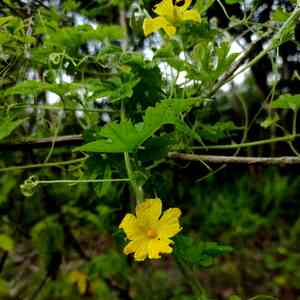
A favored cucurbit, chinese okra produces edible produce and exhibits robust development. It flourishes with consistent trimming, eliminating withered or excessively long tendrils to stimulate fruit production and air circulation. Essential pruning methods involve shortening side shoots to bolster the primary vine's vigor and snipping off ends after harvesting to encourage fresh development. Effective pruning is carried out from springtime through autumn, coinciding with chinese okra's period of active growth. Pruning boosts yield, manages dimensions, and averts ailments by improving air movement among the leaves.
What Are the Benefits of Pruning Chinese Okra?
What Are the Benefits of Pruning Chinese Okra?
Trimming chinese okra encourages robust development and maintains its desired form. Strategic cutting improves air circulation, leading to strong health, and directs energy to the most productive parts for better yields.
What Is the Best Time for Pruning Chinese Okra?
What Is the Best Time for Pruning Chinese Okra?
Pruning or trimming chinese okra in Spring is beneficial as the plant is leaving its dormant state and beginning a new growth cycle. This timing helps stimulate healthy new growth, ensuring the plant's energy is directed towards producing vigorous vines and foliage. During Summer, occasional trimming helps maintain the desired shape and size, can increase air circulation, and can reduce the risk of disease by removing any unhealthy growth. Pruning in Summer also prepares chinese okra for its productive fruiting phase by allowing more sunlight to reach interior parts of the plant, which can help improve fruit quality and yield. In the Fall, pruning is useful for removing any remaining fruits and dead or damaged growth, which can help prevent the overwintering of pests and diseases. Post-harvest pruning also allows gardeners to control the size of chinese okra and prepare the plant for the next growing season.
What Tools Do I Need to Prune Chinese Okra?
Hand Pruners
Perfect for cutting through slender vines and stems of chinese okra. Hand pruners offer a clean cut and are easy to handle, which is crucial for the detailed work of shaping and managing the growth of chinese okra.
Long-Handled Loppers
Chinese okra can grow to be quite long and may require cutting thicker stems or reaching higher areas. Loppers with long handles offer the leverage needed for cutting thicker vines without having to use a ladder.
Pruning Saw
For mature chinese okra plants with very thick stems, a pruning saw can handle the tougher cuts. It is designed to cut on the pull stroke, reducing effort and giving cleaner cuts without damaging the plant.
Gardening Gloves
Protective gloves are essential when pruning chinese okra to protect the hands from scratches and irritation. The plant's texture can be slightly rough, and gloves ensure safe handling.
Garden Scissors
For finer, precision work, such as thinning out dense areas or removing small shoots, a pair of garden scissors works well. They allow for precise snipping and are good for delicate pruning tasks.
Step Ladder
Given that chinese okra is a vining plant that can grow vertically, a step ladder may be necessary to safely reach and prune higher sections.
Sharpening Tool
Keeping pruning tools well-sharpened will ensure clean cuts, which are crucial to the health of chinese okra. Dull tools can cause damage and disease to the plants.
How to Prune Chinese Okra
Clean Tools
Sanitize your pruning shears with alcohol or a bleach solution to prevent the spread of diseases to chinese okra.
Identify
Examine chinese okra carefully to locate withered leaves that are brown, dried out, or showing signs of disease.
Cut
Using the sterilized pruning shears, snip off the withered leaves at their base, close to the main stem or branch, taking care not to harm healthy adjacent leaves or stems.
Dispose
Remove the trimmed withered leaves from the garden to prevent any potential disease from spreading to chinese okra or other plants.
Health Check
After pruning, monitor chinese okra for signs of new growth and overall health to ensure no further pruning is needed at this time.
Common Pruning Mistakes with Chinese Okra
Overpruning
Cutting back chinese okra too severely can harm the plant, reduce its productivity, and delay its natural growth cycle. Chinese okra typically thrives with light pruning.
Improper Cut Location
Cuts made too far from a leaf node can result in unsightly stubs that are vulnerable to pests and diseases. It may also hinder the emergence of new growth.
Using Dull Tools
Pruning with dull or unclean tools can damage the chinese okra's stems, leading to an increased risk of infection and healing delays.
Neglecting Diseased Material
Failing to remove any diseased or dead material from the chinese okra can promote the spread of disease and pests, which can compromise the health of the entire plant.
Pruning Without Goal
Pruning without understanding the desired outcome can lead to excessive or uneven cuts that detract from chinese okra's appearance and health.
Common Pruning Tips for Chinese Okra
Sharp Clean Tools
Use sharp, clean pruning shears to make precise cuts, minimizing damage and promoting quicker healing for chinese okra.
Cut Above Leaf Node
Make angled cuts slightly above a leaf node to encourage new growth and to maintain chinese okra's natural shape.
Light Pruning Approach
Adopt a conservative approach, removing only what is necessary such as dead or weak limbs, to avoid placing the plant under undue stress.
Suckers Removal
Regularly remove suckers and unwanted lateral shoots to redirect the chinese okra's energy into growth and fruit production.
Post-Harvest Pruning
Prune chinese okra after harvesting to maintain its shape and ensure that sunlight and air can penetrate the canopy, which is vital for the health and the next cycle of growth.



