How to Prune Marsh seedbox?
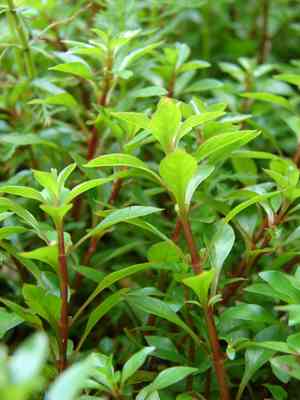
This enduring herbaceous species flourishes in damp environments, displaying lance-shaped, oval foliage and vivid, golden blossoms. For marsh seedbox, regular trimming in early spring encourages more compact development and increased flowering. The main method of pruning involves cutting above a leaf junction to stimulate side shoots. The ideal period for pruning extends from early spring through late summer, aligning with marsh seedbox's vigorous development. Pruning serves to sculpt the plant and deter sparse growth, resulting in a fuller, more attractive appearance.
What Are the Benefits of Pruning Marsh Seedbox?
What Are the Benefits of Pruning Marsh Seedbox?
Trimming marsh seedbox promotes vigorous development and helps maintain its form for visual appeal and a compact structure, crucial in garden design or containers.
What Is the Best Time for Pruning Marsh Seedbox?
What Is the Best Time for Pruning Marsh Seedbox?
Trimming marsh seedbox in early spring coincides with the start of its active growth phase, preparing it for robust development throughout the growing season. Early spring pruning helps eliminate any dead or dying foliage from winter and stimulates new growth. Late summer pruning, before dormancy, can shape the plant and manage its size while allowing it to recover before cold weather arrives. During this period, marsh seedbox has likely finished its flowering or fruiting stages, thereby minimizing the risk of disrupting these processes. Pruning during these recommended seasons will maximize the plant's health and aesthetic appeal while minimizing potential stress or injury to marsh seedbox.
What Tools Do I Need to Prune Marsh Seedbox?
Sharp Scissors or Snips
For precise cuts and less harm to the delicate stems of marsh seedbox, sharp scissors or pruning snips are appropriate. They enable clean cuts that can help prevent disease and encourage healthy regrowth.
Aquatic Plant Trimmers
Marsh seedbox, being an aquatic or semi-aquatic plant, requires tools that resist rust. Aquatic plant trimmers are specifically designed for use in wet environments and will maintain their effectiveness over time without corrosion.
Long-handled Pruning Shears
These allow reaching into the water or damp soil without excessively disturbing the plant or its surrounding ecosystem. They are useful for maintaining marsh seedbox in larger ponds or deeper water where direct access may be limited.
How to Prune Marsh Seedbox
Step1: Sterilize Pruning Tools
Sanitize the Pruning Tools: Before beginning to prune marsh seedbox, clean and sterilize your pruning tools. Dip them in a solution of 1 part bleach to 9 parts water, or use rubbing alcohol. This helps prevent the spread of disease to marsh seedbox.
Step2: Spot Overgrown Stems
Identify Overly Long Stems: Look for stems of marsh seedbox that are noticeably longer than others, which might be making the plant appear untidy. Overgrown stems are often those extending beyond the desired shape and form of the plant.
Step3: Cut Overgrown Stems
Trim Overgrown Stems: Using sharp pruning shears, cleanly cut overgrown stems above a leaf node. A leaf node is where a leaf attaches to the stem and is often a point of new growth. Make the cut at a 45-degree angle, about 1/4 inch above the node, encouraging new growth in a more bushy form.
Step4: Check for Damaged Stems
Identify Compromised Stems: Inspect marsh seedbox for any stems that are broken, diseased, or dying. Damaged stems can be identified by discoloration, wounds, or signs of pest infestation.
Step5: Remove Damaged Stems
Eliminate Damaged Stems: Remove the damaged stems by cutting them off at the point of healthy growth. If a stem is partially damaged, cut just above a healthy leaf node. For completely damaged stems, prune them back to the base of the marsh seedbox. Ensure the cut is clean and avoid tearing the stem.
Step6: Shape the Plant
Form the Plant: After removing the overgrown and damaged stems, shape marsh seedbox to maintain an attractive form. Trim back any remaining long stems to match the desired size and shape, while promoting a fuller, more compact growth habit.
Step7: Dispose of Pruning Waste
Discard Pruning Debris: Collect and dispose of all removed stems properly. Do not leave them near marsh seedbox as they can harbor pests and diseases. Composting healthy trimmings is acceptable, but do not compost diseased material.
Step8: Water and Care Post-Pruning
Water and Care for marsh seedbox: After pruning, water marsh seedbox thoroughly. This will help the plant recover from the stress of pruning. Continue to provide appropriate care, including adequate sunlight, water, and fertilizer as needed for healthy growth.
Post-Pruning Care for Marsh Seedbox
Post-Pruning Care for Marsh Seedbox
After trimming marsh seedbox, immediately water the cuts to cleanse and hydrate. Maintain high humidity and bright, indirect light to aid healing. Adjust temperatures to a moderate range, avoiding extremes. Apply a balanced, diluted fertilizer to support new growth, while taking care not to over-fertilize. Regularly inspect for wilting or discoloration indicating stress or infection; if detected, isolate marsh seedbox and apply appropriate fungicide. Ensure consistent care for robust recovery.
Common Pruning Mistakes with Marsh Seedbox
Avoid excessive foliage removal
Over-pruning, which can stress marsh seedbox and reduce its vitality. Removing too much foliage at once may impede the plant's ability to photosynthesize and grow properly.
Use sharp, clean pruning tools
Using dull or dirty pruning tools, as they can cause jagged cuts and invite disease. Precise, clean cuts are necessary to maintain the health of marsh seedbox.
Understand plant's growth for proper pruning
Pruning without understanding the growth pattern of marsh seedbox, which can lead to cutting off potential flower-bearing stems or disrupting the natural shape of the plant.
Common Pruning Tips for Marsh Seedbox
Sterilize tools to prevent disease
Sterilize pruning tools before and after use to prevent the spread of disease. Use alcohol or a 10% bleach solution to disinfect the blades.
Remove dead or damaged foliage
Focus on removing dead or yellowing leaves and any stems that are visibly damaged or diseased. This will direct marsh seedbox's energy towards healthy growth.
Pinch back tips for bushier growth
Encourage bushier growth by pinching back the tips of marsh seedbox during the growing season. This promotes lateral branching and can lead to a fuller plant.
Make angled cuts above leaf nodes
Cut stems at a 45-degree angle just above a leaf node or branching point to stimulate healthy new growth.
Prefer selective thinning over shearing
Practice selective thinning rather than shearing. Remove individual stems to improve light penetration and air circulation, which are vital for marsh seedbox's well-being.



