How to Prune Vinegartree?
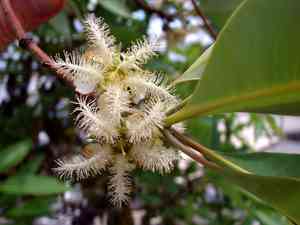
Originating from Australia, vinegartree is a resilient evergreen recognized for its appealing bark and thick leaves. Perform pruning during winter while the tree is inactive, eliminating deceased or compromised limbs to preserve its well-being and form. Reducing the density of the crown improves air movement and light access. Judiciously trim branches to manage dimensions without over-cutting, as this variety thrives with limited, precise pruning. Yearly trimming is advantageous, encouraging a sturdy framework and energetic development.
Advantages of Trimming Vinegartree
Advantages of Trimming Vinegartree
Trimming vinegartree promotes robust new development and helps maintain its desired form. Strategic cuts foster a strong framework, essential for its visual appeal and overall plant vitality.
Optimal Period for Pruning Vinegartree
Optimal Period for Pruning Vinegartree
Pruning vinegartree from late winter to early spring is ideal, as the plant is typically inactive then. This timing prevents sap loss, which can be more substantial if pruning occurs during active growth. It avoids the risk of frost damage to fresh cuts. Pruning at this time also allows vinegartree to recover and produce new growth when the growing season begins, leading to a healthier structure and improved canopy development. Additionally, with leaves absent, vinegartree's structure is more visible, simplifying the identification and removal of damaged or diseased branches.
Tools Required for Pruning Vinegartree
Hand Pruners
Perfect for cutting small branches and twigs of vinegartree up to half an inch in diameter. Bypass pruners are preferred for their clean cuts that encourage healthy regrowth.
Loppers
Suitable for branches up to 1.5 to 2 inches thick, offering extended reach and leverage for shaping or controlling vinegartree's growth.
Pruning Saw
For cutting through branches over 2 inches in diameter, a pruning saw simplifies managing the sturdy, mature limbs of vinegartree without tool damage.
Pole Pruner
When vinegartree reaches heights requiring pruning, a pole pruner provides the necessary reach to safely trim higher branches from the ground.
Hedge Shears
For shaping and maintaining the dense foliage of younger vinegartree, hedge shears can quickly trim and shape hedges or screen plants.
Chainsaw
Reserved for the most significant cuts on mature vinegartree specimens, a chainsaw might be needed for major limb removal or tree size reduction, but should only be operated by trained professionals.
How to Prune Vinegartree
Clean and Sterilize
Before pruning vinegartree, clean and sterilize pruning tools to prevent disease spread. Use a bleach or alcohol solution.
Inspect
Thoroughly examine vinegartree to identify dead or diseased branches, which are usually discolored, brittle, or show signs of infection.
Remove Dead Branches
Using sharp pruning shears, cut dead branches where they meet healthy wood. Make the cut just outside the branch collar without harming it.
Remove Diseased Branches
Carefully remove diseased branches from vinegartree, cutting well into healthy tissue to ensure complete removal of infected parts. Properly dispose of diseased material to prevent reinfection.
Clean Up
After pruning, clear all debris from around vinegartree to reduce pest and disease risk. Sterilize tools again.
Common Pruning Errors with Vinegartree
Over-pruning
Removing too much foliage from vinegartree at once can stress the plant, leading to poor growth or even death. Limit pruning to a maximum of one-third of the foliage at a time.
Incorrect cutting angles
Making cuts at improper angles can hinder proper healing, leaving vinegartree susceptible to pests and diseases. Ensure cuts are made at a 45-degree angle to promote healing and water run-off.
Use of dull tools
Using dull pruning shears can result in jagged cuts that damage vinegartree and impede recovery. Always use sharp, clean tools for smooth cuts.
Flush cutting
Cutting branches flush against the trunk can damage the collar, a vital part of vinegartree's healing process. Always leave a small collar when removing branches.
Stripping bark
When cutting larger branches, avoid stripping the bark off vinegartree, which can cause significant harm. Instead, use the three-cut method to prevent bark from tearing.
General Pruning Advice for Vinegartree
Selective thinning
Thin out crowded branches to improve air circulation and sunlight penetration for vinegartree, promoting healthier growth and reducing disease risk.
Maintenance pruning
Vinegartree benefits from regular maintenance pruning to remove dead, diseased, or damaged branches, which can compromise the plant's health.
Structural training
Vinegartree requires structural training during its early years to develop a strong framework of branches. Select a central leader and evenly spaced lateral branches.
Responsive growth
Understand that vinegartree often responds to pruning with vigorous regrowth. Make sure to direct this growth in a way that benefits the overall shape and health of the plant.
Protective measures
After pruning vinegartree, apply a water-based sealant on larger wounds to protect against pests and diseases, unless the plant is known for rapid natural sealing.



