How to Prune Tatarian honeysuckle?
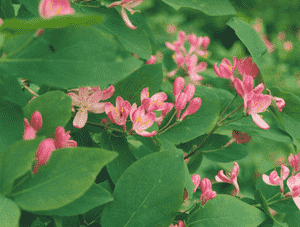
This leaf-shedding bush, recognized for its vivid pink to crimson blossoms and propensity to spread, greatly benefits from meticulous upkeep. Essential trimming strategies for tatarian honeysuckle include excising lifeless or ailing wood, reducing dense branches, and shortening excessively long stems to enhance air movement and revitalize development. The most suitable period for pruning is in early spring, right before fresh growth commences. This schedule fosters a robust floral exhibition and aids in managing the plant's dimensions. Consistent pruning also deters tatarian honeysuckle from becoming overly dominant in regions where it is deemed invasive.
What Are the Benefits of Pruning Tatarian Honeysuckle?
What Are the Benefits of Pruning Tatarian Honeysuckle?
Trimming tatarian honeysuckle promotes robust development and helps maintain its form. Regular cutting fosters a strong framework, ensuring the plant's health and visual appeal.
What Is the Best Time for Pruning Tatarian Honeysuckle?
What Is the Best Time for Pruning Tatarian Honeysuckle?
This timing ensures the plant recovers quickly, experiences minimal stress, and channels energy into new, healthy growth. Pruning after blooming reduces the loss of the current year's flowers, as tatarian honeysuckle flowers on old wood. Early spring pruning also allows gardeners to remove any dead or damaged branches from winter, lowering disease risk and encouraging abundant blooms in the coming season.
What Tools Do I Need to Prune Tatarian Honeysuckle?
Hand Pruners
Perfect for making precise cuts on tatarian honeysuckle's smaller stems and branches, hand pruners enable targeted shaping and removal of damaged material. Opt for bypass pruners for clean cuts that encourage healthy regrowth.
Loppers
Tatarian honeysuckle can develop thicker branches that require tools with greater leverage. Loppers are suitable for cutting branches up to 1.5 inches in diameter and can reach into the plant's denser areas with their long handles.
Pruning Saw
For mature tatarian honeysuckle specimens with branches exceeding 1.5 inches, a pruning saw is essential. This tool can handle larger cuts without harming surrounding plant tissue.
Hedge Shears
If the objective is to shape tatarian honeysuckle into a hedge or to encourage a bushy growth habit, hedge shears are effective for trimming new growth and maintaining a desired form.
Pole Pruner
When tatarian honeysuckle reaches a significant height or is growing in a hard-to-reach spot, a pole pruner can be utilized. This allows for safe pruning of upper branches without needing ladders.
How to Prune Tatarian Honeysuckle
Step1: Timing for Pruning
Determine the appropriate time to prune tatarian honeysuckle. The optimal period for pruning is late winter or early spring before the plant begins active growth, as this aids in promoting healthy new growth and flowering.
Step2: Tool Preparation
Prepare your tools. For pruning tatarian honeysuckle, you will need sharp bypass pruners for cutting thin wood, loppers for branches up to 1 1/2 inches thick, and a pruning saw for anything thicker. Sanitize your tools with alcohol or a 10% bleach solution to prevent disease transmission.
Step3: Identify Trimming Areas
Examine tatarian honeysuckle and pinpoint the areas to be trimmed: dead wood, overgrown shoots, and spent flowers. Dead wood will appear dry and may have a different color than healthy stems. Overgrown shoots are those that disrupt the plant's shape. Old flowers are the remnants of the previous season's blooms.
Step4: Prune Dead Branches
Begin by pruning dead wood. Cut the dead branches where they meet healthy wood. Make a clean, angled cut just above an outward-facing bud, which encourages growth away from the plant's center.
Step5: Thin Overgrown Shoots
Thin out overgrown shoots. Identify the most vigorous shoots that are detracting from the plant's form. Cut these shoots back by one-third to one-half of their length, making cuts just above a healthy leaf node or bud to encourage branching.
Step6: Deadhead Old Flowers
Remove old flowers. Deadhead spent blooms by making clean cuts just above the first set of full, healthy leaves below the old flower head. This encourages tatarian honeysuckle to direct energy toward producing new growth and blooms rather than seed development.
Step7: Plant Shaping
Shape tatarian honeysuckle. After removing dead wood, overgrown shoots, and old flowers, step back and assess the plant's overall form. Make additional selective cuts to improve symmetry and encourage the plant to grow into a desired shape. Always cut at a 45-degree angle to prevent water accumulation and potential diseases.
Step8: Cleanup Cuttings
Clear away fallen debris. Remove all cuttings from around the base of tatarian honeysuckle to prevent potential disease and insect infestations.
Step9: Post-Pruning Care
Water and fertilize tatarian honeysuckle after pruning. Apply a balanced fertilizer to promote healthy growth and aid the plant in recovering more quickly from pruning stress.
Post-Pruning Care for Tatarian Honeysuckle
Post-Pruning Care for Tatarian Honeysuckle
Immediately after pruning tatarian honeysuckle, ensure cuts are clean to promote healing. Position the plant in moderate light, shielded from harsh sun. Maintain mild humidity and stable temperatures to minimize stress. Apply a balanced, slow-release fertilizer to support new growth. Regularly check for unusual leaf discoloration or wilting as signs of stress or infection. If symptoms appear, adjust care and consider consulting an expert for possible treatments.
Common Pruning Mistakes with Tatarian Honeysuckle
Excessive Pruning Reduces Plant Vigor and Blooms
Over-pruning, which can severely weaken tatarian honeysuckle and diminish its vitality and flowering capacity.
Improper Cutting Leads to Sparse Growth, Fewer Flowers
Cutting into old, unproductive wood without leaving any new shoots, resulting in sparse growth and reduced blooms.
Ignored Crossed Branches Increase Disease Risk
Failing to remove crossing or rubbing branches, which can injure tatarian honeysuckle and make it more vulnerable to disease.
Blunt and Dirty Pruning Tools Harm Plants
Using dull or unclean pruning tools, which can damage branches and introduce pathogens.
Pruning Without Plan Causes Imbalance and Poor Shape
Pruning without a clear objective or strategy, which can lead to an uneven shape and detract from tatarian honeysuckle's overall aesthetic appeal.
Common Pruning Tips for Tatarian Honeysuckle
Sterilize Tools to Prevent Disease in Pruning
Sanitize pruning tools before use to prevent the spread of disease to tatarian honeysuckle.
Thin Dense Areas for Better Airflow and Light
Focus on thinning out crowded areas to enhance airflow and light penetration, which encourages healthy growth and abundant flowering.
Prune to Lateral Shoots for Strong Plant Structure
Ensure cuts are made back to a healthy set of lateral shoots or a strong outward-facing bud to promote a well-structured plant.
Remove Dead Wood to Maintain Plant Health
Regularly remove dead, diseased, or damaged wood to maintain the health and appearance of tatarian honeysuckle.
Prune for Symmetry Following Plant's Natural Form
Prune for symmetry and balance to maintain an aesthetically pleasing shape while allowing the natural form of tatarian honeysuckle to guide the process.



