How to Prune Trumpet honeysuckle?
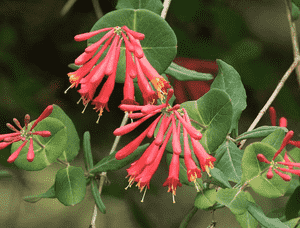
A lively, perennial vine, trumpet honeysuckle is valued for its tubular blossoms and climbing nature. Trim trumpet honeysuckle during late winter or early spring, prior to the emergence of new shoots. Concentrate on eliminating deceased or impaired branches, reducing dense sections to boost air movement, and sculpting the plant for managing its dimensions. Pruning at this juncture boosts blooming, given that trumpet honeysuckle flowers on fresh growth. Refrain from over-trimming to retain its inherent structure and optimize its flowering capacity.
What Are the Benefits of Pruning Trumpet Honeysuckle?
What Are the Benefits of Pruning Trumpet Honeysuckle?
Trimming trumpet honeysuckle promotes robust development, encourages a neat form, and can result in more abundant flowering, leading to a healthier and more attractive plant.
What Is the Best Time for Pruning Trumpet Honeysuckle?
What Is the Best Time for Pruning Trumpet Honeysuckle?
Trimming trumpet honeysuckle in late winter and early spring is beneficial because the plant is still dormant before new growth starts, reducing stress and the risk of frost damage to fresh shoots. Additionally, removing dead or damaged growth before the spring growth cycle allows the plant's energy to be directed toward producing healthy new shoots and plentiful flowers. Pruning during these seasons also helps maintain a desired shape and encourages vigorous growth, as the plant will soon have the resources to heal and grow quickly with the start of the growing season.
What Tools Do I Need to Prune Trumpet Honeysuckle?
Hand Pruners
Perfect for making precise cuts on trumpet honeysuckle's smaller stems and branches. The bypass type is preferred for its clean and healthy cuts.
Loppers
Suitable for reaching into dense growth and cutting thicker stems that hand pruners cannot manage, ensuring healthy growth of trumpet honeysuckle.
Pruning Saw
Essential for removing mature, woody stems of trumpet honeysuckle that are too thick for hand pruners and loppers.
Gloves
Hand protection when handling trumpet honeysuckle, which can have twining stems and might cause minor scratches.
Pruning Shears
Useful for shaping trumpet honeysuckle and controlling its spread by easily snipping off excess growth.
How to Prune Trumpet Honeysuckle
Step1: Inspect for Dead or Damaged Wood
Examine trumpet honeysuckle to identify all dead wood and damaged stems that require trimming. This should be done during the dormant season, typically late winter or early spring before new growth begins.
Step2: Sanitize Pruning Tools
Disinfect pruning tools with a solution of one part bleach to nine parts water or use rubbing alcohol to prevent the spread of diseases.
Step3: Prune Dead Wood
Begin by removing dead wood. Look for branches and twigs that are dry, brittle, and lack green, flexible growth. Make cuts at a 45-degree angle, approximately 1/4 inch above a living bud or branching point to encourage healthy new growth.
Step4: Trim Damaged Stems
Next, prune damaged stems. Cut back to healthy tissue, identifiable by its green color and resilient feel. Ensure cuts are clean and avoid ripping or tearing the bark, as this can introduce pathogens.
Step5: Use Three-Cut Method for Large Branches
For larger damaged branches, employ the three-cut method to prevent bark tearing: First, make an undercut about a third of the way through the branch approximately 6-12 inches above the branch collar. Second, make a top cut an inch further out from the undercut until the branch falls away. Third, finish with a final cut just outside the branch collar to remove the stub without harming the main stem.
Step6: Shape Plant by Cutting Above Outward-Facing Buds
Shape the plant by cutting just above outward-facing buds to encourage outward growth, which improves air circulation and results in a more attractive form.
Step7: Remove Trimmings to Prevent Pests
Clear away all trimmings from around trumpet honeysuckle to deter pests and diseases.
Step8: Water Plant After Pruning
Water the plant thoroughly after pruning to aid its recovery and promote healthy growth.
Step9: Monitor Plant for Additional Pruning
Observe trumpet honeysuckle throughout the growing season to remove any additional dead or damaged wood that may appear, using the same methods described above.
Post-Pruning Care for Trumpet Honeysuckle
Post-Pruning Care for Trumpet Honeysuckle
Immediately after trimming trumpet honeysuckle, ensure it receives sufficient water to prevent stress. Balance light exposure, avoiding intense sun while maintaining bright conditions. Sustain moderate humidity and keep temperatures steady. Apply a balanced, slow-release fertilizer to nourish trumpet honeysuckle. Monitor trumpet honeysuckle for wilting, discoloration, or signs of infection. If symptoms appear, adjust care and consider a fungicide for infections. Maintain consistent care to promote trumpet honeysuckle's recovery and growth.
Common Pruning Mistakes with Trumpet Honeysuckle
Avoid excessive pruning to prevent stress and poor flowering
Over-pruning, which can stress trumpet honeysuckle and lead to reduced flowering. It's crucial not to remove too much of the plant at once.
Prune carefully to protect growth needed for blooming
Cutting into old wood without careful consideration. Trumpet honeysuckle blooms on the previous year's growth, so indiscriminate cuts can reduce floral display.
Remove dead or damaged stems to encourage healthy growth
Neglecting to remove dead, diseased, or damaged stems, which can limit new growth and make trumpet honeysuckle vulnerable to pests and diseases.
Always use clean, sharp tools for precise cuts
Failing to use clean, sharp tools. This can result in ragged cuts that harm trumpet honeysuckle and introduce pathogens.
Understand plant growth patterns for proper pruning shape
Pruning without an understanding of the plant's growth habit, thus failing to shape trumpet honeysuckle effectively or encourage its natural form.
Common Pruning Tips for Trumpet Honeysuckle
Thin out branches for better air flow and light exposure
Thin out crowding branches to improve air circulation and light penetration, which encourages healthy growth and flowering in trumpet honeysuckle.
Prune long shoots for bushier growth and more flowers
Cut back the top third of overly long shoots to promote bushier growth and more bloom sites on trumpet honeysuckle.
Deadhead spent flowers to boost repeat blooming
Focus on removing just the spent flowers and associated seed pods to stimulate repeat blooming throughout the growing season for trumpet honeysuckle.
Prune to support natural vining and desired growth direction
Maintain the natural vining habit of trumpet honeysuckle by selectively pruning to encourage climbing or cascading growth where desired.
Make clean, just-above-bud cuts for healthy regrowth
When cutting back, make clean cuts just above a set of leaves or a bud to promote healthier regrowth in trumpet honeysuckle.



