How to Prune Grape honeysuckle?
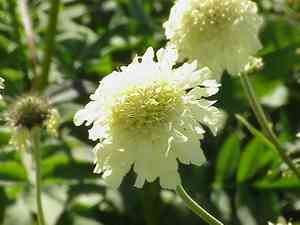
A robust climbing plant featuring bunches of tiny fruits, grape honeysuckle flourishes with consistent upkeep. Perform pruning in late winter or early spring, prior to the emergence of fresh shoots. Eliminate any deceased or compromised branches to foster its well-being. Cut back excessively long sections to sculpt its form and enhance airflow. Judicious removal of mature stems can stimulate renewed vitality. Trimming this plant boosts its strength and guarantees a more organized, attractive look while managing its expansion.
What Are the Benefits of Pruning Grape Honeysuckle?
What Are the Benefits of Pruning Grape Honeysuckle?
Trimming grape honeysuckle encourages robust development and maintains its desired form. Consistent cutting fosters a strong framework, resulting in a healthier plant better able to endure environmental pressures.
What Is the Best Time for Pruning Grape Honeysuckle?
What Is the Best Time for Pruning Grape Honeysuckle?
The optimal period for pruning grape honeysuckle is late winter to early spring, as the plant is typically dormant then. Pruning before the new growth cycle begins allows the plant to direct energy into developing strong new shoots once warmer weather arrives. This timing helps prevent cutting off the current year's blooms, as grape honeysuckle usually flowers on old wood. It also lowers the risk of disease and pest infestations that can occur when plants are pruned during warmer, more humid seasons. Furthermore, without leaves, the structure of grape honeysuckle is more visible, enabling a more strategic pruning approach.
What Tools Do I Need to Prune Grape Honeysuckle?
Hand Pruners
Perfect for cutting smaller stems and branches of grape honeysuckle, hand pruners offer precision and create clean cuts that help prevent disease.
Loppers
Given the climbing nature of grape honeysuckle, loppers are effective for reaching and cutting thicker stems that hand pruners cannot manage, while still maintaining control.
Pruning Saw
For mature grape honeysuckle with larger branches, a pruning saw is essential to handle thicker growth without harming the plant.
Hedge Shears
When shaping grape honeysuckle for aesthetic reasons or managing its overall size, hedge shears are useful for trimming and shaping larger sections of soft growth.
How to Prune Grape Honeysuckle
Disinfect Tools
Before pruning grape honeysuckle, clean and sanitize pruning tools to prevent disease spread. Use a solution of 1 part bleach to 9 parts water or a commercial disinfectant to wipe the blades.
Remove Diseased Leaves
Identify and carefully snip off any diseased leaves from grape honeysuckle. Make cuts at the base of affected leaves, using precision pruners to avoid damaging healthy parts.
Trim Withered Leaves
Trim withered or dead leaves from grape honeysuckle to encourage healthier growth. Cut these leaves back to their base or to the nearest healthy leaf junction.
Clean Up
Promptly dispose of all diseased and withered leaf debris from grape honeysuckle. Do not compost to minimize the risk of spreading disease or pests in the garden.
Monitor Health
Regularly monitor grape honeysuckle after pruning for signs of new disease or withered leaves, ensuring it remains healthy and vigorous.
Common Pruning Mistakes with Grape Honeysuckle
Overpruning
Removing too much growth can stress grape honeysuckle, leading to poor health. It is typically advised to prune no more than one-third of the plant at a time.
Imprecise Cuts
Making jagged or torn cuts can create wounds that are more susceptible to disease and pests. Clean, sharp cuts heal faster and are healthier for grape honeysuckle.
Pruning Without Disinfecting Tools
Using dirty pruning tools can spread diseases from one plant to another. Always disinfect your tools before pruning grape honeysuckle.
Neglecting Deadhead
Failing to deadhead, or remove spent flowers, can result in fewer blooms since grape honeysuckle may put energy into forming seed pods instead of new flowers.
Ignore Shape
Cutting branches without considering the overall shape can lead to uneven growth and a less aesthetically pleasing grape honeysuckle.
Common Pruning Tips for Grape Honeysuckle
Sharp Tools
Always use sharp, clean pruning shears or scissors to provide clean cuts that heal quickly, minimizing stress on grape honeysuckle.
Health First
Prioritize removing dead, damaged, or diseased wood to maintain the health and vigor of grape honeysuckle.
Thinning
Thin out crowded branches to increase light penetration and air circulation, which can help reduce the risk of fungal diseases for grape honeysuckle.
Encourage New Growth
Prune just above a bud facing the outside of the plant to encourage outward growth, leading to a fuller and more balanced grape honeysuckle.
Deadheading
Regularly remove spent flowers to encourage grape honeysuckle to produce more blooms, focusing on the areas where old blooms detract from the plant's overall appearance.



