How to Prune European honeysuckle?
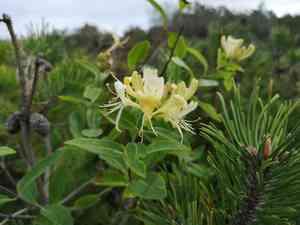
This climbing, aromatic, leaf-shedding vine flourishes with regular trimming to preserve its form and stimulate robust development. Trim european honeysuckle during the initial part of spring or the latter part of winter, shortening excessively long branches and eliminating any lifeless or frail growth. Strategic timing fosters blooming on fresh wood. Trimming enhances air movement, thereby lowering the likelihood of disease. For revitalization, severely cut back one-third of the older stems each year, encouraging renewal. Deliberate pruning boosts this plant's visual appeal and well-being.
Advantages of Trimming European Honeysuckle
Advantages of Trimming European Honeysuckle
Trimming european honeysuckle promotes vigorous development and maintains its desired form. Strategic cuts can stimulate new growth, enhance blooming, and prevent excessive growth, ensuring european honeysuckle remains healthy and visually appealing.
Optimal Period for Pruning European Honeysuckle
Optimal Period for Pruning European Honeysuckle
These periods are considered ideal as they coincide with european honeysuckle's dormant phase, minimizing stress and sap loss. Pruning before new growth begins allows for strong recovery and directs energy towards developing new shoots. Additionally, an early spring trim can help shape the plant and remove any dead or diseased wood, improving its overall health and encouraging abundant flowering in the subsequent season.
Necessary Tools for Pruning European Honeysuckle
Hand Pruners
Perfect for making precise cuts on european honeysuckle's slender stems and for shaping the plant. Both anvil and bypass pruners are suitable, with bypass pruners generally preferred for live wood to ensure clean cuts that aid healthy regrowth.
Loppers
Suitable for reaching into denser growth to cut thicker branches that hand pruners might not manage. As european honeysuckle can become large and woody with age, loppers are effective for branches up to approximately 1 1/2 inches thick.
Pruning Saw
Essential for cutting through the oldest and thickest stems of european honeysuckle that have become too large for hand pruners or loppers. A pruning saw allows for more significant rejuvenation pruning when necessary.
Hedge Shears
Useful for shaping european honeysuckle if it is being cultivated as part of an informal hedge. Since european honeysuckle can be trained and shaped, hedge shears are good for quick, bulk trimming of soft, new growth.
Pruning Gloves
Protect hands and forearms from scratches when reaching into european honeysuckle to prune. The plant may have twining stems and can be dense, thus gloves are important for safety.
Pruning Sealant
May be applied to large cuts to protect european honeysuckle from diseases and pests. However, its use is sometimes discouraged due to potential inhibition of natural healing processes. It should be used based on current horticultural best practices.
How to Prune European Honeysuckle
Step1: Optimal Pruning Time Identification
Determine the best time of year for pruning european honeysuckle, which is late winter or early spring before new growth commences.
Step2: Tool Sterilization
Sanitize your pruning tools with a solution of 1 part bleach to 9 parts water to prevent the spread of disease.
Step3: Old Wood Detection
Examine european honeysuckle for old wood, which typically appears grayer and more rigid than younger, greener stems. Old wood is less likely to produce vibrant blooms.
Step4: Old Wood Pruning Technique
Prune old wood close to the base of the plant to stimulate new growth. Make your cuts at a 45-degree angle, about 1/4 inch above a healthy bud.
Step5: Deadheading Withered Flowers
Locate withered flowers and cut them back to just above the first healthy set of leaves below the bloom. This will encourage european honeysuckle to produce new flowers.
Step6: Diseased Branch Inspection
Search for any diseased or damaged branches. They may appear discolored, have abnormal growths, or show signs of insect damage.
Step7: Diseased Branch Removal
Remove diseased branches by cutting them off well beyond the point of visible disease, ideally back to the point of origin.
Step8: Shaping the Plant
Shape european honeysuckle by trimming back overgrown sections to maintain the desired form or fit the available space. Focus on maintaining an even, open center to allow sunlight and air circulation.
Step9: Post-Pruning Cleanup
Clean up all trimmings and dispose of them properly to reduce the risk of disease and pest infestation.
Step10: Aftercare: Watering without Fertilizing
Water european honeysuckle deeply after pruning to support recovery and new growth. Avoid fertilizing immediately after pruning, as this can stress the plant.
Post-Pruning Care for European Honeysuckle
Post-Pruning Care for European Honeysuckle
Immediately after pruning european honeysuckle, water thoroughly to reduce stress. Provide ample light but protect from harsh direct sun. Maintain moderate humidity and avoid extreme temperature fluctuations. Fertilize with a balanced liquid feed to support growth. Regularly inspect for signs of stress, such as wilting or discolored leaves, and for infection indicators like unusual spots or decay. If symptoms manifest, promptly isolate european honeysuckle and apply appropriate treatment, such as fungicide for fungal infections. Consistent care fosters robust recovery.
Common Pruning Mistakes with European Honeysuckle
Over-pruning Reduces Flowering Potential
Over-pruning, which may involve cutting back too much of european honeysuckle's growth at once, potentially stressing the plant and reducing its ability to flower.
Incorrect Pruning into Old, Non-Rejuvenating Wood
Pruning into old wood that does not produce new shoots readily, which can result in fewer flowers or bare sections.
Improper Tools Cause Plant Damage and Disease
Using dull or unclean tools can cause damage to european honeysuckle's stems, leaving jagged cuts that are susceptible to disease.
Common Pruning Tips for European Honeysuckle
Using Clean, Sharp Tools for Healthy Cuts
First, clean your pruning tools to prevent disease spread. Make sharp, clean cuts at a 45-degree angle just above a bud to promote healthy regrowth.
Remove Dead or Diseased Stems to Promote Growth
Focus on removing any dead, diseased, or weak stems to maintain the vigor of european honeysuckle. Trim these areas back to healthy wood to encourage new growth.
Thinning for Better Airflow and Light, Enhances Flowering
Thin out congested branches to improve air circulation and light penetration, which can enhance flowering. Cut back some of the older shoots to the base to allow room for new shoots to grow.



