How to Prune Amur honeysuckle?
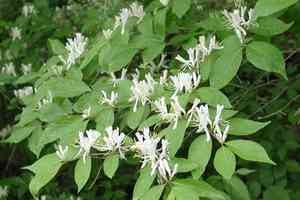
This leaf-shedding bush, recognized for its profuse white blossoms and aggressive growth, significantly benefits from trimming. For amur honeysuckle, perform substantial cuts in early spring prior to foliage emergence to control its dimensions and form. Eliminating older stalks fosters renewed vigor. Consistent thinning enhances light exposure and air movement, thereby deterring ailments. The timing of this intervention is vital to safeguard the blooming period while restricting proliferation, given that amur honeysuckle can generate seeds if pruned belatedly.
What Are the Benefits of Pruning Amur Honeysuckle?
What Are the Benefits of Pruning Amur Honeysuckle?
Trimming amur honeysuckle promotes robust development and maintains its form, ensuring the plant's vigor and a more managed and attractive appearance.
What Is the Best Time for Pruning Amur Honeysuckle?
What Is the Best Time for Pruning Amur Honeysuckle?
Trimming amur honeysuckle in early spring is recommended for several reasons. This timing allows gardeners to easily identify and remove any dead or damaged branches affected by winter weather, without dense foliage obstruction. Early spring pruning is vital for amur honeysuckle as it stimulates new growth and helps maintain the plant's desired shape and size. It also ensures that energy reserves in the roots are directed into new growth rather than sustaining old or unnecessary branches. Additionally, since amur honeysuckle blooms on new growth, early spring pruning will not interfere with its flowering season, allowing for an optimal display of flowers later in the year. Pruning before the plant's active growth phase begins supports its recovery and vigor, as cuts heal more rapidly, minimizing stress and vulnerability to pests or diseases. This timing also prevents seed dispersal, aiding in controlling amur honeysuckle's invasive tendencies by reducing its ability to propagate.
What Tools Do I Need to Prune Amur Honeysuckle?
Hand Pruners
For amur honeysuckle's smaller branches (up to 3/4 inch in diameter), hand pruners are ideal. They allow for clean, precise cuts without causing unnecessary damage to the plant.
Loppers
When dealing with thicker branches of amur honeysuckle (up to 1 1/2 inches in diameter), loppers provide the extra leverage needed to make clean cuts through the wood.
Pruning Saw
For amur honeysuckle's mature and thick branches that are larger than 1 1/2 inches in diameter, a pruning saw is necessary. It allows for cutting through the dense wood without tearing the bark.
Hedge Shears
If shaping amur honeysuckle into a formal hedge or controlling its size is the goal, hedge shears are suitable for trimming and shaping due to their long blades and ability to create straight, even cuts.
Gloves
Wearing gloves is essential for protecting hands from amur honeysuckle's rough bark and potential sharp thorns when pruning.
Safety Glasses
To protect eyes from flying debris while cutting through amur honeysuckle's branches, safety glasses should always be worn.
How to Prune Amur Honeysuckle
Step1: Timing for Pruning
Determine the optimal time to prune amur honeysuckle, which is late winter to early spring, before new growth starts. This reduces plant stress and improves branch visibility.
Step2: Tool Sterilization
Sanitize your pruning tools with a solution of 1 part bleach to 9 parts water to prevent disease transmission.
Step3: Removing Dead Branches
Begin by removing dead branches. These often appear dark, brittle, and may lack green under the bark when scratched. Cut them back to healthy wood, which typically has a light color and a live bud.
Step4: Rejuvenating Old Wood
Trim old wood to revitalize amur honeysuckle. Older stems are identifiable by their thicker, rougher bark and reduced flowering. Cut these stems back to a healthy new shoot or a strong outward-facing bud to encourage new growth.
Step5: Diseased Wood Removal
Immediately remove any diseased wood. Make the cut 6-12 inches into healthy wood beyond the affected section to ensure complete removal of any latent infection. Dispose of diseased clippings away from healthy plants to prevent spread.
Step6: Thinning for Shape
Shape the remaining amur honeysuckle by selectively thinning out crowded areas to improve air circulation and light penetration. Ensure cuts are evenly spaced to maintain a natural appearance.
Step7: Top Growth Thinning
Thin out the top growth to ensure the lower parts of the amur honeysuckle receive sufficient light, by removing select branches using an angled cut just above a healthy bud facing the direction you want new growth to follow.
Step8: Post-Pruning Tool Cleaning
After pruning, clean your tools again as per Step 2 to prevent spreading any potential pathogens to other plants.
Step9: Disposal of Removed Wood
Discard or compost all removed wood, ensuring that diseased material is destroyed and not composted to avoid contaminating other areas.
Post-Pruning Care for Amur Honeysuckle
Post-Pruning Care for Amur Honeysuckle
After trimming amur honeysuckle, immediately water the plant thoroughly to reduce stress. Maintain consistent moisture without waterlogging. Place amur honeysuckle in partial to full sunlight and regulate ambient temperature to prevent extreme heat or cold exposure. Use a balanced, slow-release fertilizer to enrich soil nutrients, aiding recuperation and growth. Regularly inspect pruning sites for unusual discoloration or oozing, signs of distress or disease. If symptoms occur, promptly apply an appropriate fungicide or insecticide, and consider consulting a plant health expert.
Common Pruning Mistakes with Amur Honeysuckle
Overly Aggressive Pruning
Cutting back too severely, which can stress amur honeysuckle and hinder its overall growth and recovery.
Unclean Tool Usage
Not sanitizing pruning tools before and after use, which increases the risk of spreading disease to and from amur honeysuckle.
Leaving Cutting Stubs
Leaving stubs when cutting branches, which can lead to decay and provide entry points for pests and diseases.
Neglecting Interior Thinning
Failing to thin out the interior branches, resulting in poor air circulation and light penetration, which can affect the health and flowering of amur honeysuckle.
Pruning Without Clear Goals
Pruning without a clear objective, leading to a reduction in the number of flowers since amur honeysuckle can bloom on old wood.
Common Pruning Tips for Amur Honeysuckle
Clean, Sharp Cuts for Healthy Healing
Use sharp, clean pruning shears or saws to make precise cuts that amur honeysuckle can heal from more efficiently, reducing the chance of disease.
Prune Above Buds for Desired Growth
When shortening branches, cut just above a bud that faces the direction you want the new branch to grow to maintain the shape and support healthy growth.
Remove Dead or Damaged Branches
Remove any dead, diseased, or damaged branches promptly to improve the overall health and appearance of amur honeysuckle.
Thin for Air Circulation and Sunlight
Thin out the center of amur honeysuckle to ensure good air circulation and sunlight penetration, which can help prevent fungal diseases and promote more vigorous growth.
Selective Pruning for Natural Shape
When shaping amur honeysuckle, consider its natural habit; rather than shearing, selectively prune branches to enhance its form and vigor.
Regular Pruning Tool Maintenance
Regularly clean and maintain pruning equipment to ensure the best results and to prolong the life of the tools.



