How to Prune Wild honeysuckles?
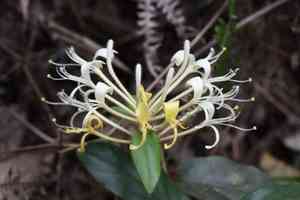
Distinguished by its aromatic blossoms and robust development, wild honeysuckles flourishes with consistent upkeep. Essential trimming techniques involve the careful elimination of deceased or excessively dense branches to guarantee sufficient air circulation and light exposure. The most effective pruning should take place in late winter or early spring to stimulate vigorous new shoots. Trimming wild honeysuckles also aids in managing its dimensions and fostering a more compact form. Sterilizing cutting implements is crucial to avert the transmission of pathogens, thereby boosting wild honeysuckles's vigor and floral output.
What Are the Benefits of Pruning Wild Honeysuckles?
What Are the Benefits of Pruning Wild Honeysuckles?
Trimming wild honeysuckles is crucial for promoting robust development and maintaining its desired form. It revitalizes the plant, fostering a stronger, more resilient framework while enhancing any garden's visual appeal.
What Is the Best Time for Pruning Wild Honeysuckles?
What Is the Best Time for Pruning Wild Honeysuckles?
Late winter and early spring are optimal for trimming wild honeysuckles, as these periods precede the start of its growth cycle. Pruning wild honeysuckles in late winter, while the plant is still dormant, minimizes stress and allows for a clear view of its structure without leaves obstructing branches. This timing ensures quick wound healing and directs growth energy to desired areas as dormancy breaks. Early spring pruning, just before new growth emerges, benefits wild honeysuckles by promoting vigorous development and preventing resource waste on parts that will be removed. Pruning during these seasons avoids cutting off the current year's flowers, as wild honeysuckles typically bloom on new growth. It also permits the removal of any dead, diseased, or damaged wood before new foliage and blossoms appear, which could impact the plant's overall health and beauty.
What Tools Do I Need to Prune Wild Honeysuckles?
Hand Pruners
Perfect for precise cuts and shaping wild honeysuckles, enabling accuracy when removing dead or diseased foliage and maintaining plant structure.
Loppers
Effective for cutting through thicker stems and branches that hand pruners cannot manage, ensuring clean cuts without harming wild honeysuckles.
Pruning Saw
Essential for removing any mature or overgrown branches of wild honeysuckles, especially when the branch diameter exceeds lopper capacity.
Gardening Gloves
Protective gear to shield hands from thorns and rough surfaces while trimming wild honeysuckles, ensuring a safer gardening experience.
Pruning Shears (Bypass Type)
Recommended for making clean cuts that encourage rapid healing for wild honeysuckles, preventing unnecessary plant damage.
How to Prune Wild Honeysuckles
Clean Tools
Before trimming wild honeysuckles, sanitize your pruning tools with alcohol or a bleach solution to prevent disease transmission.
Identify Leaves
Examine wild honeysuckles for diseased and withered leaves. Look for signs of discoloration, spots, or decay.
Cut Diseased Leaves
Using your disinfected tools, carefully remove diseased leaves by cutting at the base of the leaf stem, ensuring not to harm healthy parts.
Remove Withered Leaves
Similarly, trim any withered leaves from wild honeysuckles to encourage healthy growth and improve air circulation.
Dispose Trimmed Parts
After pruning wild honeysuckles, properly discard the trimmed parts to avoid spreading any potential diseases to other plants.
Common Pruning Mistakes with Wild Honeysuckles
Overpruning
Removing too much foliage at once can stress wild honeysuckles, hindering its growth and bloom potential. Aim to remove no more than one-third of the plant's overall volume during a pruning session.
Improper Cuts
Making cuts too far from a bud or node leads to dieback, while cuts too close can damage the growth areas. Cut at a 45-degree angle, around 1/4 inch above the bud or node facing outwards.
Neglecting Tool Hygiene
Using unclean tools can introduce diseases to wild honeysuckles. Always use sterilized pruning shears to prevent the spread of pathogens.
Ignoring Plant Health
Pruning wild honeysuckles when it is weakened by pests, disease, or environmental stress can exacerbate these issues. Address health problems before implementing heavy pruning.
Pruning For Size Alone
Pruning wild honeysuckles solely to control size can result in a less natural shape and fewer flowers. Focus on removing specific parts like dead or weak stems to maintain a healthy structure without over-trimming.
Inattentive To Growth Patterns
Failing to understand the growth habit of wild honeysuckles can lead to misshapen plants. Prune with the natural form in mind to maintain its aesthetics.
Common Pruning Tips for Wild Honeysuckles
Sanitize Tools
Before and after pruning wild honeysuckles, disinfect your tools with a 10% bleach solution or rubbing alcohol to prevent disease spread.
Selective Thinning
Thin out the oldest stems to encourage sunlight penetration and air circulation within wild honeysuckles, promoting healthier growth and reducing disease risk.
Promote New Growth
Prune strategically to encourage the development of new stems, which will lead to more vigorous growth and abundant flowering.
Preserve Natural Shape
Follow the natural shape of wild honeysuckles when pruning. Trim wayward branches and shape lightly to keep its inherent form attractive.
Deadheading
Remove spent flowers to encourage further blooming throughout the season and prevent the plant from expending energy on seed production.
Consistent Maintenance
Regularly remove dead, damaged, or diseased wood as soon as it's spotted to keep wild honeysuckles in its best health and appearance.



