How to Prune Honeysuckle?
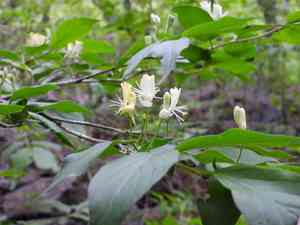
Lonicera is recognized for its aromatic, elongated blossoms. Perform trimming in the initial part of spring or the latter portion of winter prior to the emergence of fresh foliage. Employ selective cuts to eliminate deceased, impaired, or intersecting branches, thereby fostering air movement and light exposure. Shorten excessively lengthy stems to preserve the plant's form. Consistent trimming encourages robust flowering and deters excessive expansion. Always disinfect cutting implements to avert the transmission of pathogens. Appropriate pruning rejuvenates the specimen, guaranteeing lively and robust development.
Advantages of Trimming Honeysuckle
Advantages of Trimming Honeysuckle
Honeysuckle benefits from trimming to encourage robust growth, maintain its form, enhance blooming, and deter pests and diseases.
Optimal Period for Trimming Honeysuckle
Optimal Period for Trimming Honeysuckle
Trimming honeysuckle during late winter to early spring is advisable as these times coincide with the plant's dormant stage before new shoots emerge. This timing minimizes infection risk and supports healthy regeneration. Pruning prior to the active growth season helps preserve the plant's shape, promotes abundant flowers, and ensures the plant's energy is directed towards new stems and blossoms. Furthermore, pruning at these intervals prevents uncontrolled growth and keeps the plant's size manageable, simplifying care for gardeners.
Required Tools for Trimming Honeysuckle
Bypass Pruners
Perfect for making precise cuts on living branches and stems up to 1/2 inch thick, ensuring clean cuts that aid in healthy wound recovery.
Loppers
Ideal for cutting thicker branches ranging from 1/2 inch to 1 1/2 inches in diameter; their extended handles provide leverage for easier cutting.
Pruning Saw
Crucial for cutting branches exceeding 1 1/2 inches, ensuring smooth and efficient pruning without harming the plant.
Hedge Shears
Useful for shaping and reducing new growth, particularly during routine hedge maintenance.
How to Trim Honeysuckle
Preparation
Ensure all trimming tools are clean and sharp to prevent disease transmission and make precise cuts on the plant.
Identify and Remove Diseased Leaves
Carefully inspect honeysuckle for any indications of leaf disease. Using sanitized pruning shears, snip off and discard all diseased leaves to prevent spreading.
Remove Withered Leaves
Locate any withered or dead leaves on honeysuckle. Use clean, sharp trimming tools to cut these leaves back to their base or to a healthy cluster of leaves.
Cut Back Dead Branches
Examine honeysuckle for dead branches. Cut these branches back to the nearest live bud or to the main stem, ensuring cuts are clean to avoid damaging the plant.
Remove Diseased Branches
Identify branches that are diseased. Cut back these branches to healthy tissue, typically a third or half of the branch, or to the main stem, and remove them from the vicinity to prevent disease spread.
Frequent Trimming Errors with Honeysuckle
Excessive Pruning
Removing too much of honeysuckle at once can cause stress and diminish its capacity to produce flowers and new growth. A balanced approach is vital to maintain the plant's health.
Incorrect Cuts
Employing improper cutting methods, such as making jagged or uneven cuts, can harm the plant and elevate the risk of disease. Always use sharp, clean tools for accurate cuts.
Pruning at the Wrong Time
Even though the timing for pruning is excluded here, pruning during periods of extreme weather or growth phases can be harmful. Always research the best time specifically for honeysuckle in your climate.
Neglecting to Remove Dead or Diseased Wood
Failing to clear out dead or diseased branches can lead to the spread of pathogens and overall poor health of honeysuckle. Regularly inspect the plant and promptly remove any compromised wood.
General Trimming Advice for Honeysuckle
Utilize Clean, Sharp Tools
Always ensure your trimming tools are sharp and sterilized to make clean cuts and minimize the risk of infection.
Target Specific Branches
Focus on removing older, less productive branches to encourage new growth. Cut just above an outward-facing bud to promote a well-spaced form.
Thin Out Crowded Areas
Maintain air circulation by thinning out overly dense areas to prevent disease and promote strong growth. Aim to keep the center of the plant open.
Shape the Plant Gradually
Instead of making drastic changes in one session, shape honeysuckle gradually over time. This helps the plant adjust and reduces overall stress.



