How to Prune Perfoliate honeysuckle?
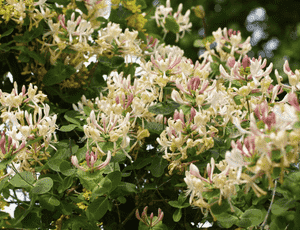
Originating in Europe, Lonicera caprifolium is prized for its aromatic blossoms and vigorous development. Perform pruning in late winter or early spring prior to the emergence of new shoots. Essential methods involve eliminating deceased or frail branches and sculpting the plant to stimulate blooming. Trimming after the initial flowering period can stimulate a subsequent flush of blooms. A gentle yearly trim enhances its well-being and aesthetic, fostering robust growth and diminishing the likelihood of illness.
What Are the Benefits of Pruning Perfoliate Honeysuckle?
What Are the Benefits of Pruning Perfoliate Honeysuckle?
Trimming perfoliate honeysuckle promotes robust development by eliminating dead or crowded branches, improving air circulation and light penetration. Regular shaping preserves its desired form, enhancing the plant's visual appeal and ensuring it fits its designated area.
What Is the Best Time for Pruning Perfoliate Honeysuckle?
What Is the Best Time for Pruning Perfoliate Honeysuckle?
Late winter and early spring are the ideal times for pruning perfoliate honeysuckle for several reasons. During late winter, the plant is typically dormant, making it perfect for shaping and removing dead or damaged growth without causing stress. Pruning at this time allows cuts to heal before new growth starts. Additionally, pruning before spring encourages new growth where desired, maintaining the plant's vigor. In early spring, just before the growing season, pruning can stimulate and revitalize perfoliate honeysuckle, promoting a healthy and strong growth cycle. It's crucial to complete any major pruning before perfoliate honeysuckle blooms to avoid cutting off flower buds, which form on the previous year's growth. This timing ensures the plant's appearance and flowering capabilities are optimized for the bloom season. Avoid pruning in autumn, as this can stimulate new growth vulnerable to winter damage.
What Tools Do I Need to Prune Perfoliate Honeysuckle?
Bypass Pruners
Perfect for making clean cuts on perfoliate honeysuckle, aiding quick healing and reducing disease risk.
Pruning Saws
Essential for cutting through thicker stems or branches of perfoliate honeysuckle that are too large for pruners.
Loppers
Offer increased leverage and reach for pruning thicker, hard-to-access branches of perfoliate honeysuckle without hand strain.
Gloves
Protect hands from thorns and sap while pruning perfoliate honeysuckle, ensuring safety during the task.
Pruning Shears
Useful for shaping perfoliate honeysuckle and maintaining its structure, fostering healthy growth and blooms.
Disinfectant
Vital for cleaning tools before and after use on perfoliate honeysuckle to prevent disease spread between plants.
How to Prune Perfoliate Honeysuckle
Sanitation
Sterilize pruning tools to prevent disease spread before beginning to prune perfoliate honeysuckle. Cleanliness is key for the health of perfoliate honeysuckle.
Diseased Leaves
Carefully remove all diseased leaves from perfoliate honeysuckle by cutting at the base of each leaf stem. Ensure complete removal of infected material to stop further disease spread.
Withered Leaves
Identify and trim off any withered or dead leaves from perfoliate honeysuckle to improve air circulation and light, promoting healthier growth. Snip leaves at the base without harming adjacent stems.
Disposal
Discard all removed diseased and withered leaf matter away from perfoliate honeysuckle and other plants to lessen disease transmission risk.
Cleanup
Clean pruning tools again after finishing to remove any potential pathogens. Clear the area around perfoliate honeysuckle to maintain a tidy environment and reduce pest infestation likelihood.
Common Pruning Mistakes with Perfoliate Honeysuckle
Over-Pruning
Removing too much growth at once can stress perfoliate honeysuckle, hindering its ability to thrive. Gardeners should avoid cutting away more than one-third of the plant's total volume in a single session.
Improper Cuts
Making cuts too far from a bud or leaving stubs leads to poor healing and potential disease entry. It's crucial to make clean cuts at a 45-degree angle just above outward-facing buds.
Neglecting Tool Hygiene
Using dirty pruning tools can introduce pathogens to perfoliate honeysuckle. Tools should be sterilized between cuts, especially when removing diseased material to prevent infection spread.
Common Pruning Tips for Perfoliate Honeysuckle
Health Maintenance
For the health and vitality of perfoliate honeysuckle, remove dead, diseased, or damaged stems as soon as they are noticed. This prevents decay organisms from infecting the plant.
Shape And Size Control
To maintain the desired shape and prevent perfoliate honeysuckle from becoming too large, trim back new growth to just above a set of leaves, ensuring not to cut into woody old growth where regrowth is less likely.
Optimizing Flowering
Since perfoliate honeysuckle flowers on old wood, pruning should focus on thinning rather than severe cuts to encourage healthy new shoots that will flower in subsequent years. Avoid excessive cutting back of flowering stems to ensure future blooms.



