How to Prune Honeyberry?
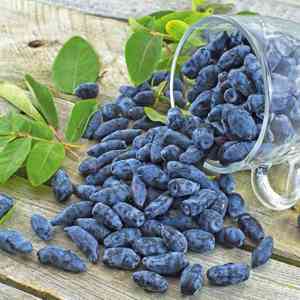
This leaf-shedding, early-blooming fruit bush flourishes in cooler regions and is recognized for its palatable, blueberry-esque berries. For honeyberry, essential trimming methods entail excising ailing, injured, or congested limbs to foster robust development and increased fruit yield. The ideal period for pruning is throughout its winter resting phase to lessen strain on honeyberry. Specific points to remember include refraining from severe pruning, which could diminish output, and molding the shrub to possess an open core for light access and air circulation. Consistent trimming sustains plant vitality and abundant yields.
What Are the Benefits of Pruning Honeyberry?
What Are the Benefits of Pruning Honeyberry?
Pruning honeyberry enhances yield by directing the plant's energy towards fruit development. It fosters robust growth, ensuring a strong and thriving plant. Regular trimming maintains the desired dimensions, improving honeyberry's visual appeal.
What Is the Best Time for Pruning Honeyberry?
What Is the Best Time for Pruning Honeyberry?
Trimming honeyberry from late Winter to early Spring is optimal as the plant is dormant and has not yet initiated its annual growth cycle. Pruning at this time minimizes stress on honeyberry and allows wounds to heal before growth begins, reducing disease risk. Additionally, since honeyberry fruits on old wood, late winter pruning ensures shaping and removal of dead wood without significantly impacting the upcoming season's fruit production.
What Tools Do I Need to Prune Honeyberry?
Hand Pruners
Perfect for making precise cuts on young honeyberry shoots and eliminating any dead or diseased wood. Hand pruners are easy to handle and provide clean cuts that help prevent disease.
Lopping Shears
Suitable for cutting through thicker honeyberry branches, typically up to 1 1/2 inches in diameter. They offer longer handles for improved leverage and reach.
Pruning Saws
Essential for removing larger, mature branches from honeyberry that hand pruners and lopping shears cannot manage. Provides a clean cut without harming the remaining branch structure.
Hedge Shears
Honeyberry can be shaped into a hedge, and for this purpose, hedge shears are used to create a neat, uniform shape while allowing for the removal of multiple small branches simultaneously.
How to Prune Honeyberry
Remove Diseased And Dead Material
Visually inspect honeyberry to identify and remove any diseased leaves, withered leaves, dead branches, and diseased branches using clean, sharp pruning shears. Cut back to healthy tissue to prevent disease spread.
Thin Out Growth
Thin out excessive growth branches on honeyberry to improve air circulation. Remove select branches by cutting them at their base where they meet another branch or the main stem to avoid overcrowding.
Prune Crossing Branches
Prune branches that are crossing or rubbing against each other on honeyberry to prevent damage and potential disease entry points. Choose the weaker or less ideally placed branch to remove for better plant structure.
Shape Plant
Shape honeyberry by carefully pruning around the exterior. Trim back outside branches to maintain the desired form and size, focusing on symmetry and the plant's natural habit.
Cleanup
Gather and dispose of all pruned material away from honeyberry to reduce the chance of pest or disease issues. Ensure the base of the plant is clear of debris to promote a healthy growing environment.
Common Pruning Mistakes with Honeyberry
Overzealous Cutting
Gardeners may remove too much wood from honeyberry, which can decrease fruit production as it fruits on old wood. Pruning should focus on shaping the plant, not just reducing its size.
Ignoring Damaged Limbs
Neglecting to remove dead or damaged limbs can attract diseases and pests. It is crucial to cut these away to maintain honeyberry's health.
Prune Indiscriminately
Cutting without a clear objective can lead to an undesirable plant shape and reduced vigor. Each cut should serve a purpose, whether it's to remove dead wood, shape the plant, or manage its size.
Incorrect Tool Use
Using dull or unsanitary tools can harm honeyberry, causing rough cuts that may lead to infections. It is important to use sharp, clean pruning shears.
Common Pruning Tips for Honeyberry
Health First
Focus on removing any diseased, damaged, or dead wood to promote honeyberry's overall health and prevent potential problems.
Selective Thinning
Thin out crowded areas to increase air circulation and light penetration, which can help reduce disease risk and produce better quality fruit.
Maintain Plant Structure
Aim to maintain the natural shape of honeyberry while pruning. Removing too many main stems can hinder its natural growth habit and fruit production.
Guided Growth
Prune to guide the plant into the desired direction or shape, especially when honeyberry is being trained against a support structure like a trellis.



