How to Prune Tall Fescue?
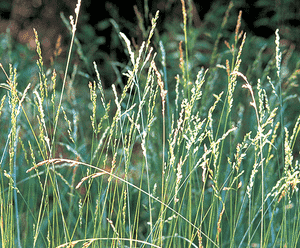
A resilient perennial grass, tall Fescue flourishes across various environmental conditions. To ensure peak vitality, trim it biannually, specifically in early Spring and Autumn, to deter the accumulation of thatch and foster robust development. Eliminate any deceased matter, neaten irregular areas, and reduce its height to 2-3 inches. This trimming process stimulates tillering, thereby improving density and verdancy. Avoid excessive trimming; over-cutting can induce stress in tall Fescue and compromise its structural integrity.
What Are the Benefits of Pruning Tall Fescue?
What Are the Benefits of Pruning Tall Fescue?
Trimming tall Fescue promotes robust regrowth, helping it maintain its density and shape. This practice is crucial for managing its size and ensuring a tidy look, which is especially useful for landscape upkeep and turf applications.
What Is the Best Time for Pruning Tall Fescue?
What Is the Best Time for Pruning Tall Fescue?
Trimming tall Fescue in Spring is ideal as it coincides with the start of the plant's active growth phase. This timing supports strong regrowth and helps tall Fescue recover quickly from pruning stress. It also allows for the removal of any winter damage, fostering healthier and thicker growth before summer's challenges. Fall trimming is also beneficial as it helps remove dead or diseased foliage, reducing plant matter that can harbor pests and diseases over winter. Furthermore, Fall trimming prevents potential winter injury from excessive growth. Fall pruning should be timed so cuts can heal before the first frost, ensuring tall Fescue enters dormancy in good condition.
What Tools Do I Need to Prune Tall Fescue?
Handheld Grass Shears
These shears are perfect for trimming and shaping tall Fescue, allowing for precise cuts and maintaining the desired grass height.
Lawn Mower
Tall Fescue is commonly used as turfgrass, requiring regular height maintenance for health and aesthetic reasons. A lawn mower can efficiently cut larger areas to a consistent height.
String Trimmer
For trimming edges and areas difficult to reach with a lawn mower, a string trimmer is suitable for tall Fescue. It assists in edging and providing a clean finish around paths and garden beds.
Powered Hedge Trimmer
When tall Fescue is grown as a tall ornamental grass, a powered hedge trimmer can be used to shape and manage its height, especially for larger clumps.
How to Prune Tall Fescue
Select tools
Choose sharp, clean pruning shears or a lawn mower with adjustable height settings to effectively trim tall Fescue.
Prepare plant
Prepare tall Fescue for trimming by removing any visible debris and checking for the specific 'Trim_parts' mentioned, which are dead leaves and dry grass clumps.
Cut dead leaves
Cut dead leaves at the base of tall Fescue, close to the soil, being careful not to harm new growth or the plant crowns.
Remove clumps
Carefully remove dry grass clumps by thinning these areas with pruning shears or gently raking them out to improve air circulation and deter pests.
Cleanup
Clear all trimmed material from the area around tall Fescue to prevent fungal growth and maintain a tidy appearance.
Common Pruning Mistakes with Tall Fescue
Ignoring health
Gardeners often overlook the importance of trimming off unhealthy parts of tall Fescue, which can lead to the spread of disease or pest infestations throughout the plant.
Overpruning
Removing too much foliage from tall Fescue can stress the plant, hindering its growth or even killing it. Trimming more than one-third of the grass in a single session is generally not advised.
Inconsistent height
Cutting tall Fescue at varying heights can result in an uneven appearance and potentially harm the plant, as it can weaken the uniformity of the grass stand.
Avoiding pruning
Some may avoid trimming tall Fescue under the incorrect assumption that it does not require it, potentially leading to overly thick thatch and poor grass health.
Dull tools
Using dull pruning tools on tall Fescue can tear the grass blades instead of making a clean cut, which can make the plant more susceptible to disease.
Common Pruning Tips for Tall Fescue
Sharp tools
Always use sharp mower blades or pruning tools to ensure clean cuts on tall Fescue, which can help prevent disease and encourage healthier re-growth.
Consistent height
Maintain tall Fescue at a consistent height during trimming to promote uniform growth and improve the overall health and appearance of the grass.
Clipping removal
Regularly remove clippings after trimming tall Fescue to prevent thatch build-up, which can restrict sunlight, water, and nutrient penetration to the roots.
Gradual pruning
If tall Fescue needs significant height reduction, do it over multiple trimming sessions, removing no more than one-third of the leaf tissue at a time.
Inspect health
Before trimming tall Fescue, inspect the plant for any signs of disease or pest damage and trim these areas first to prevent further spreading.



