How to Prune Edging lobelia?
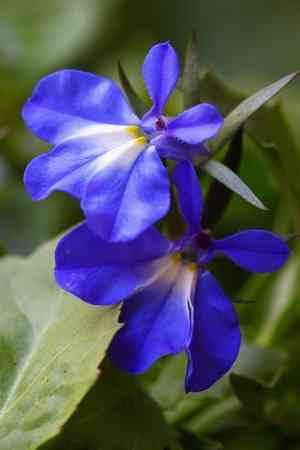
A popular decorative choice, trailing lobelia is recognized for its vivid, dense blossoms. Regularly remove faded flowers to stimulate ongoing blooming. Deadheading serves as the main method to preserve visual appeal and foster vigor. Trim back in early spring to rejuvenate development, and perform minor cuts during the entire growing period. Refrain from extensive pruning in late autumn to avoid damaging the following season's buds. Trimming enhances flowering, prevents sparse growth, and sustains a neat form for this vibrant annual.
What Are the Benefits of Pruning Edging Lobelia?
What Are the Benefits of Pruning Edging Lobelia?
Trimming edging lobelia promotes abundant flowering, stimulates robust new growth, and maintains a compact, appealing shape. Consistent cutting helps the plant direct energy into flower production and sustain its lush look.
What Is the Best Time for Pruning Edging Lobelia?
What Is the Best Time for Pruning Edging Lobelia?
Edging lobelia is a delicate perennial often cultivated as an annual in colder regions. Pruning in early spring encourages fresh growth and allows the plant to prioritize developing strong stems and a fuller structure. As edging lobelia thrives in warmer months, the extended pruning period through late autumn supports its continuous blooming cycle. Pruning during this time fosters new blossoms and can prevent the plant from becoming leggy. Halting pruning as winter approaches enables edging lobelia to toughen up and prepare for dormancy or the end of its life cycle in areas where it's grown as an annual.
What Tools Do I Need to Prune Edging Lobelia?
Bypass Pruners
Ideal for making clean cuts without harming the delicate stems of edging lobelia.
Micro-Tip Snips
Perfect for reaching into thick foliage for precise trimming of edging lobelia's small stems.
Gloves
Protect hands while trimming and handling edging lobelia, which may have fine stems that can cause skin irritation.
How to Prune Edging Lobelia
Step1: Tool Preparation and Sanitization
Prepare the necessary implements for trimming edging lobelia, such as a pair of clean, sharp pruning shears or scissors. Sanitize the blades with rubbing alcohol or a bleach solution to prevent disease transmission.
Step2: Dead Flower Identification
Examine edging lobelia to locate all spent flowers. Dead flowers typically appear dry, discolored, and are no longer blooming.
Step3: Pruning Dead Flowers
Remove the dead flowers by cutting them off just beneath the flower head at the next leaf node. This will encourage edging lobelia to direct energy into producing new blooms. Make cuts at a 45-degree angle to promote healing.
Step4: Wilted Stem Detection
Search for wilted or dead stems on edging lobelia, which may look dry, brittle, or discolored.
Step5: Trimming Back Wilted Stems
Cut back wilted stems to the plant's base or to the nearest healthy set of leaves, again at a 45-degree angle. This not only enhances the appearance of edging lobelia but also helps channel the plant's energy to healthy growth.
Step6: Cleanup of Plant Debris
After trimming, clear all cuttings and debris from around edging lobelia to prevent pest and disease issues.
Step7: Post-Pruning Plant Care
Water edging lobelia if the soil is dry, and apply a balanced, water-soluble fertilizer to support new growth. Pruning can be stressful for plants, and providing edging lobelia with nutrients will aid in their recovery.
Step8: Growth Monitoring and Maintenance Pruning
Monitor edging lobelia for new growth and repeat the pruning process as needed throughout the growing season to maintain shape and promote continuous blooming.
Post-Pruning Care for Edging Lobelia
Post-Pruning Care for Edging Lobelia
After trimming edging lobelia, immediately water the plant to lessen stress. Ensure edging lobelia receives partial to full sunlight, maintaining temperatures between 60-70°F and high humidity. Apply balanced, water-soluble fertilizer to encourage vigorous growth. Observe edging lobelia for wilting or discoloration, indicating stress or disease. Promptly address any signs of infection and maintain consistent care to support edging lobelia's recovery.
Common Pruning Mistakes with Edging Lobelia
Overzealous & Damaging Pruning
Trimming edging lobelia too aggressively, which could impair the plant's capacity to grow and produce flowers effectively.
Using Dull or Dirty Pruning Tools
Cutting back edging lobelia without using clean, sharp tools, which may introduce diseases or create ragged, harmful cuts to the plant.
Ignoring Dead Foliage or Spent Blooms Removal
Failing to remove spent blooms or dead foliage on edging lobelia, which can lead to a dull display and reduce the potential for reblooming.
Incorrect Pruning Technique Remedying Plant Shape
Trimming all stems of edging lobelia uniformly without considering its natural shape and growth pattern, which can result in an unnatural appearance.
Common Pruning Tips for Edging Lobelia
Promote Blooming by Regular Deadheading
Deadhead edging lobelia regularly by removing faded flowers to encourage continuous blooming throughout the season.
Ensure Clean Cuts with Sharp Pruning Shears
Use clean, sharp pruning shears to make precise cuts, which will help edging lobelia recover more quickly and minimize the risk of disease entry.
Manage Plant Shape by Pruning to Nodes
Shape edging lobelia by cutting back leggy stems to a node or a set of leaves; this helps maintain a compact form and promotes denser growth.
Improve Airflow with Center Thinning
Thin out the center of edging lobelia to increase air circulation, which can help reduce the risk of fungal diseases common in dense foliage.
Light and Consistent Pruning Practices
Trim lightly and regularly rather than doing a single, heavy prune, as moderate, consistent pruning will help edging lobelia maintain its form and vigor.
Rejuvenate with Post-Bloom Trim
After the first flush of flowers, cut back edging lobelia by one-third to rejuvenate the plant and encourage a new wave of blooms.



