How to Prune Creeping lilyturf?
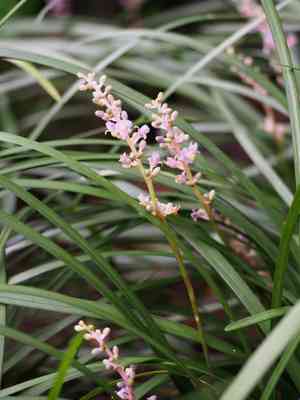
A robust, sprawling perennial, creeping lilyturf flourishes with little upkeep yet profits from yearly trimming to revitalize development and manage its expansion. Trim the foliage down to the soil surface in late winter or early spring prior to the emergence of new shoots. This schedule enables cultivators to eliminate aged, compromised, or unattractive leaves, fostering more robust, thicker foliage. Trimming aids in curbing its energetic disposition, averting unwelcome encroachment into neighboring plant beds. Regular pruning additionally improves its aesthetic and vitality.
Advantages of Trimming Creeping Lilyturf
Advantages of Trimming Creeping Lilyturf
Trimming creeping lilyturf promotes robust development and helps maintain its desired form. Timely cutting manages its spread, lessening the need for frequent division.
Optimal Time for Pruning Creeping Lilyturf
Optimal Time for Pruning Creeping Lilyturf
Creeping lilyturf enters a dormant state during colder periods, which minimizes stress and energy loss when pruned. Trimming in late winter allows for the removal of any cold-damaged parts before new growth starts. Early spring pruning is ideal as it coincides with the beginning of creeping lilyturf's active growth cycle, fostering lush and healthy development throughout spring and summer. It's also the perfect time to shape the plant and remove old flower stalks from the previous year, as creeping lilyturf's blooming season typically occurs in summer. Pruning during these times ensures the plant has ample time to recover and maximizes its potential for vigorous growth and flowering.
Tools Required for Pruning Creeping Lilyturf
Hand Pruners
Hand pruners, also known as secateurs, are suitable for cutting through creeping lilyturf's slender stems. Opt for bypass pruners for a clean cut that encourages healthy regrowth.
Garden Scissors
Garden scissors can be utilized for shaping and trimming the foliage of creeping lilyturf. Their precise blades are perfect for detailed work.
Hedge Shears
For extensive trimming of creeping lilyturf, especially when dealing with larger clusters or borders, hedge shears provide a quick method to achieve a neat, uniform appearance.
How to Prune Creeping Lilyturf
Sanitize tools
Before pruning creeping lilyturf, it is crucial to clean all pruning tools with a bleach and water solution to prevent the spread of diseases.
Identify
Locate any diseased or withered leaves on creeping lilyturf that require removal. Look for discoloration, spots, or signs of decay indicating poor health.
Remove diseased leaves
Using clean, sharp shears, carefully cut away the diseased leaves from creeping lilyturf. Make the cut at the base of the leaf where it meets the stem or soil line.
Remove withered leaves
Similarly, remove the withered leaves by cutting them at their base to enhance the overall appearance and health of creeping lilyturf.
Dispose
Properly dispose of the diseased and withered leaves, away from healthy plants, to prevent the spread of any pathogens.
Common Pruning Errors with Creeping Lilyturf
Excessive Pruning
Removing too much foliage at once can stress creeping lilyturf, as it deprives the plant of necessary leaves for photosynthesis. This can lead to reduced vigor and vitality.
Dull tools
Using blunt pruning tools can cause jagged cuts that may damage creeping lilyturf and lead to disease and pest infestation. Sharp tools ensure clean cuts for quick healing.
Incorrect cuts
Improper cutting technique, such as tearing instead of slicing, can harm the plant's structure and potentially introduce infections.
Uneven pruning
Pruning creeping lilyturf unevenly can result in a lopsided appearance and may cause the plant to grow more densely on one side, affecting its overall shape.
General Pruning Advice for Creeping Lilyturf
Selective thinning
Carefully thin out overcrowded areas of creeping lilyturf to improve air circulation, which can reduce the incidence of disease and promote healthier growth.
Cutting angle
Make cuts at an angle, just above a node or a budding area, to direct future growth of creeping lilyturf and to help water run off the cut surface, reducing the risk of disease.
Post-blooming trim
After flowering, trim creeping lilyturf to remove spent flower stalks, encouraging a more compact habit and potentially stimulating a second bloom in certain conditions.
Clump management
For dense clumps, dividing and re-spacing creeping lilyturf every few years can rejuvenate the plant, promote more vigorous growth, and maintain the desired shape and size.



