How to Prune Tulip poplar?
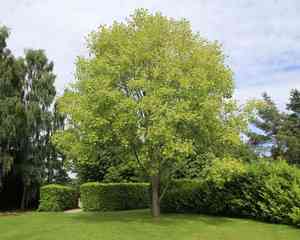
Recognized for its elevated growth and blossom-like blooms, the tulip poplar thrives with trimming for its form, well-being, and security. Eliminate lifeless or ailing limbs and reduce congested sections, concentrating on lower branches to ensure adequate space. For the tulip poplar, the optimal period for pruning is in early spring or late winter, prior to foliage emergence. Exercise restraint in pruning to prevent strain and encourage its inherent structure. Accurate cuts foster development and deter ailments, guaranteeing a sturdy, enduring plant.
What Are the Benefits of Pruning Tulip Poplar?
What Are the Benefits of Pruning Tulip Poplar?
Trimming tulip poplar promotes more vigorous development and helps maintain its desired form. It stimulates new growth, ensuring a robust structure and an aesthetically pleasing appearance.
What Is the Best Time for Pruning Tulip Poplar?
What Is the Best Time for Pruning Tulip Poplar?
Pruning tulip poplar in late winter or early spring is optimal because the plant remains dormant. This timing allows for the removal of damaged or diseased branches before new growth begins, minimizing plant stress and reducing infection risk. Additionally, the bare branches of tulip poplar during this period make it easier to visualize the plant's structure and execute more precise cuts. Pruning prior to the spring growth spurt ensures rapid wound healing, directing energy towards new shoots and leaves. This timing avoids interfering with the flowering period, as tulip poplar blooms on old wood from the previous season. Proper pruning during the recommended seasons helps preserve the natural shape of tulip poplar, encourages vigorous growth, and ensures a healthy and attractive specimen.
What Tools Do I Need to Prune Tulip Poplar?
Hand Pruners (Bypass Type)
Perfect for making clean cuts on young or small branches of tulip poplar without causing unnecessary harm to the plant tissue.
Loppers
Suitable for cutting thicker branches of tulip poplar, typically up to 1.5 to 2 inches in diameter, offering greater leverage and reach.
Pruning Saw
Essential for removing larger branches from tulip poplar that hand pruners or loppers cannot effectively manage. A saw with fine teeth is preferred for clean cuts.
Pole Pruner
Useful for reaching and safely cutting higher branches without needing a ladder. It ensures pruning of tulip poplar can be performed from the ground.
Hedge Shears
Appropriate for shaping and trimming the dense foliage of tulip poplar, especially when creating formal hedges.
Safety Equipment (Gloves, Goggles)
To protect the gardener's hands and eyes from scratches and sap, which is particularly important when pruning tulip poplar.
How to Prune Tulip Poplar
Step1: Timing for Pruning
Select the correct time to prune tulip poplar, generally late winter or early spring before new growth begins. This timing allows for proper wound sealing and reduces the risk of disease or pest infestation.
Step2: Identify Dead Wood
Thoroughly inspect tulip poplar for dead wood, which will typically appear dry, brittle, and lack any green under the bark when scratched. This dead wood does not contribute to the plant's health and can be removed.
Step3: Selecting Pruning Tools
Use appropriate tools such as hand pruners for small branches, loppers for medium branches, and a pruning saw for larger pieces of dead wood. Ensure tools are sharp and clean to make precise cuts and prevent disease transmission.
Step4: Angle and Position of Cuts
For dead wood, make cuts at a 45-degree angle about 1/4 inch above an outward-facing bud or branch to encourage proper growth direction. Ensure the cut slopes downward away from the bud to prevent water accumulation and decay.
Step5: Spotting Weak Wood
Identify weak wood, typically characterized by a lack of vigor, spindly growth, or overly flexible branches. Weak wood is prone to damage and can negatively affect tulip poplar's overall structure.
Step6: Pruning Weak Branches
Prune weak wood by cutting back to a stronger branch or making the cut just above a well-placed lower branch. This will redirect energy to more robust parts of tulip poplar.
Step7: Detecting Diseased Limbs
Examine tulip poplar for any signs of diseased branches, including discolorations, cankers, or unusual growths. These branches can spread disease if left untreated.
Step8: Removing Diseased Branches
When removing diseased branches, cut well below the affected area, at least several inches into healthy wood, to ensure all diseased tissue is eliminated. Clean cutting tools with a 10% bleach solution or rubbing alcohol between cuts to avoid spreading pathogens.
Step9: Shaping the Plant
After removing dead, weak, and diseased branches, step back and assess tulip poplar's overall shape. If additional shaping is required, remove branches that cross or rub against each other, which can create wounds and entry points for disease.
Step10: Disposal of Pruned Material
Dispose of all removed material far from tulip poplar to prevent any diseases or pests present in the pruned wood from re-infecting the tree.
Step11: Aesthetic and Healthy Pruning
Consider the natural shape of tulip poplar when making additional cuts for aesthetic shaping. Prune sparingly and with the understanding that tulip poplar naturally has a pyramidal to oval crown. Over-pruning can lead to weakened structure and poor health.
Step12: Cleaning and Tool Maintenance
Finish by cleaning all tools and properly storing them. Keep the area around tulip poplar clear of debris to minimize the chances of fungal growth or vermin harborage.
Post-Pruning Care for Tulip Poplar
Post-Pruning Care for Tulip Poplar
Immediately after pruning tulip poplar, ensure clean cuts to prevent disease. Optimize environmental factors; tulip poplar thrives with full sun and moderate humidity. Post-pruning, avoid extreme temperatures. Apply a balanced fertilizer to promote recovery; however, avoid over-fertilization which can stress tulip poplar. Regularly inspect for distress signalsâwilting, discoloration, or oozingâat cut sites. Early detection of such symptoms may necessitate treatment to prevent infections. Consistent watering aids in stress reduction, but avoid waterlogging. Through these steps, tulip poplar should maintain vigor and growth post-pruning.
Common Pruning Mistakes with Tulip Poplar
Over-Pruning Harms Growth and Defense
Removing too much at once can stress tulip poplar, leading to weak growth and increased susceptibility to pests and diseases. Taking off more than one-third of the tree's canopy in a single season is ill-advised.
Flush Cuts Damage Branch Collar
Cutting branches flush against the trunk can harm the branch collar of tulip poplar, leading to poor wound healing and increased risk of decay.
Topping Weakens Structure
Topping (removing the top of the tree) can cause tulip poplar to develop weak, fast-growing shoots that are more vulnerable to wind and storm damage.
Unsterilized Tools Spread Disease
Failing to sterilize pruning tools between cuts can spread disease to healthy parts of tulip poplar, affecting its overall well-being.
Pruning Stubs Hinder Healing
Leaving stubs when trimming branches can prevent proper healing and can lead to rot and disease entry, which can harm tulip poplar.
Common Pruning Tips for Tulip Poplar
Use Sharp Tools for Clean Cuts
Use clean, sharp tools to make precise cuts that will heal more efficiently, reducing stress on tulip poplar and minimizing disease risk.
Prune Above Nodes for Natural Growth
Make pruning cuts just above a node where a leaf bud or branch will grow, encouraging tulip poplar to develop a strong, natural shape.
Remove Dead Branches for Plant Health
Identify and remove dead, damaged, or diseased branches to help maintain the health and appearance of tulip poplar.
Keep Branch Collar Intact for Healing
Retain the branch collar when removing larger branches to ensure proper wound healing and to protect tulip poplar from decay.
Thin Canopy to Improve Air and Light
Thin out dense areas of the canopy to improve air circulation and sunlight penetration, which will benefit the overall health and flowering of tulip poplar.
Preserve Leader for Shape and Strength
Avoid cutting the leader (main upright trunk) to maintain tulip poplar's natural pyramidal shape and structural integrity.



