How to Prune Sweetgum?
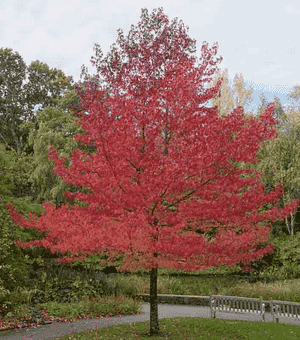
Recognizable by its unique star-like foliage and prickly seed pods, the sweetgum is a sturdy deciduous tree. Essential trimming practices involve shaping while the tree is inactive, eliminating deceased or intersecting limbs to preserve its framework, and reducing crowded sections to improve light exposure and air movement. The most effective time for pruning is from late winter to early spring, to prevent interfering with sap movement. Proper pruning guarantees vigorous development and guards against potential harm from strong gusts, simultaneously boosting the tree's visual attractiveness.
What Are the Benefits of Pruning Sweetgum?
What Are the Benefits of Pruning Sweetgum?
Trimming sweetgum promotes vigorous development and maintains its shape. By carefully cutting branches, sweetgum can direct energy into developing a more robust framework and dense leaves, decreasing the chance of weak or poorly formed limbs.
What Is the Best Time for Pruning Sweetgum?
What Is the Best Time for Pruning Sweetgum?
These periods are ideal for trimming sweetgum as they coincide with the plant's dormant phase. Late winter pruning prepares sweetgum for strong growth in spring as it exits dormancy. In early spring, the risk of winter damage is low, and cuts heal faster, reducing the chance of disease or pest infestation. Additionally, sap flow is not yet at its peak, which minimizes stress on sweetgum. Pruning before new growth begins allows gardeners to effectively shape the tree without hindering its natural growth cycle or flowering potential.
What Tools Do I Need to Prune Sweetgum?
Hand Pruners
Sweetgum has small branches that can be managed with hand pruners. Opt for bypass pruners over anvil types to achieve cleaner cuts, which are better for the plant's health.
Loppers
For cutting thicker branches of sweetgum that hand pruners cannot manage, loppers are perfect. Their extended handles provide leverage to cut branches up to 1.5 inches in diameter.
Pruning Saw
When dealing with sweetgum's mature branches exceeding 1.5 inches in thickness, a pruning saw is essential. Choose a saw with teeth suitable for green wood to prevent tearing and ensure a smooth cut.
Pole Pruner
For higher branches of sweetgum, utilize a pole pruner to reach and trim without needing a ladder. This tool often combines a saw and lopper, offering versatility based on branch thickness.
Hedge Shears
For shaping the canopy and maintaining formal hedges of sweetgum, hedge shears can be employed. However, they are generally less recommended for sweetgum's natural form.
How to Prune Sweetgum
Step1: Timing for Pruning
Determine the optimal time to prune sweetgum, which is during late winter or early spring before new growth commences. This timing helps prevent sap bleeding, a concern for this species.
Step2: Identify Dead Wood
Examine sweetgum for any dead wood, which will lack leaves and may appear dry or brittle. This is often simpler to spot during dormancy when leaves have fallen.
Step3: Sanitize Pruning Tools
Disinfect your pruning tools with rubbing alcohol or a 10% bleach solution to prevent the spread of diseases among plants.
Step4: Cutting Technique for Dead Wood
When removing dead wood, make cuts just outside the branch collar, which is the swollen area of tissue at the base of the branch. Use angled cuts to discourage water accumulation on the cut surface.
Step5: Remove Diseased Branches
For diseased branches, cut the branch at least several inches below the affected area to ensure complete removal of all diseased tissue. Dispose of these branches properly, away from healthy plants.
Step6: Spot Weak Limbs
Identify weak limbs that are susceptible to breakage. These may include overextended limbs, limbs with narrow crotch angles, or limbs showing signs of stress or damage.
Step7: Prune Weak Limbs Appropriately
Prune weak limbs by cutting them back to a healthy lateral branch or to the main trunk if necessary, again ensuring to cut just outside the branch collar.
Step8: Thin the Canopy for Health
Thin the canopy if sweetgum has an excessively dense growth pattern, by selectively removing some branches to enhance air circulation and light penetration. Do not remove more than one-quarter of the living crown in any single pruning session.
Step9: Post-Pruning Tool Care
After pruning, clean your tools again to prepare them for future use, and monitor sweetgum over the subsequent weeks to ensure it is healing correctly and exhibiting signs of healthy new growth.
Post-Pruning Care for Sweetgum
Post-Pruning Care for Sweetgum
Immediately after trimming sweetgum, disinfect wounds with a fungicide to prevent infection. Ensure sweetgum is placed in an environment with moderate sunlight to avoid stress from intense light. Maintain consistent soil moisture, but prevent waterlogging. Adjust humidity and shield sweetgum from extreme temperatures. A balanced fertilizer may aid recovery, but avoid over-fertilization. Regularly check for signs of stress, such as discoloration or wilted leaves, and signs of infection like oozing sap. If symptoms appear, consult a horticulturist for appropriate treatments.
Common Pruning Mistakes with Sweetgum
Over-pruning can stress plants
Trimming too much at once can stress sweetgum, leading to poor growth or susceptibility to diseases and pests. Removing more than 25% of the foliage in a single season is typically excessive.
Improper cutting damages the plant
Cutting branches incorrectly can result in damage to sweetgum. Leaving too large a stub can hinder healing, while cutting too close to the trunk can damage the branch collar and impede the plant's natural healing process.
Unsterilized tools spread disease
Not sterilizing tools before use on sweetgum can spread diseases from infected plants to healthy ones. Dirty pruning tools are a common vector for pathogens.
Common Pruning Tips for Sweetgum
Sharp, clean tools for healthy cuts
Utilize sharp, clean pruning tools to make precise cuts on sweetgum, which will help promote rapid healing and reduce the chance of disease.
Cut outside the branch collar to heal
When removing a branch from sweetgum, always make cuts just outside the branch collar, the swollen area of tissue at the base of the branch. This preserves the essential area where the tree compartmentalizes decay.
Prune dead or diseased branches promptly
Identify and remove any dead, diseased, or broken branches from sweetgum first. These can be pruned anytime they are noticed to maintain plant health and appearance.
Thin canopy to enhance light and air
Thin out sweetgum's canopy to increase light penetration and air circulation, which can help reduce the likelihood of disease. Thinning should be done selectively, targeting specific branches for removal while maintaining the plant's overall structure.
Prune to encourage a strong structure
Encourage a strong structure by selectively pruning competing leaders (main upright branches) on sweetgum. Choose a single, strong vertical branch as the central leader and prune back competing branches to promote a strong and stable structure.



