How to Prune Oriental sweet gum?
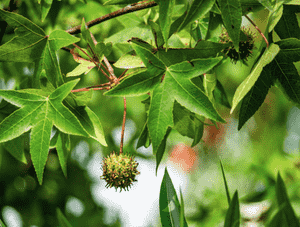
Celebrated for its stellate foliage and fragrant sap, oriental sweet gum thrives with appropriate trimming. Initiate this process in late winter or early spring, steering clear of times when sap is actively flowing. Remove any deceased or ailing branches, reduce density in congested zones to improve light access and air movement, and sculpt for visual appeal or to manage its dimensions. Pruning not only sustains the well-being and look of oriental sweet gum but can also stimulate robust development and diminish the likelihood of pest problems.
What Are the Benefits of Pruning Oriental Sweet Gum?
What Are the Benefits of Pruning Oriental Sweet Gum?
Trimming oriental sweet gum promotes robust development and helps maintain its desired form. Regular cutting back eliminates dead or weak limbs, fostering stronger branches and a healthier structure.
What Is the Best Time for Pruning Oriental Sweet Gum?
What Is the Best Time for Pruning Oriental Sweet Gum?
The ideal periods for pruning oriental sweet gum are late winter and early spring because during these times, the plant is typically dormant, which minimizes stress and allows for vigorous growth once the growing season commences. Pruning before the spring growth spurt means the cuts will heal faster, lowering the risk of disease and pest issues that are more prevalent in warmer conditions. Furthermore, the absence of leaves provides better visibility for shaping the tree and identifying any dead or diseased wood that requires removal. Another consideration is that pruning out of season, especially during active growth or just before dormancy, can harm oriental sweet gum's development and fruit production, given that oriental sweet gum is a deciduous tree and its growth cycle includes a distinct dormant phase during the cold months. Late winter pruning ensures that any buds removed will not have expended much energy yet, which would otherwise be wasted. Conversely, early spring pruning is strategic as it is performed just before the growing season when the plant's healing processes are most active, leading to rapid wound closure.
What Tools Do I Need to Prune Oriental Sweet Gum?
Hand Pruners or Secateurs
Perfect for making clean cuts on smaller branches and stems of oriental sweet gum, secateurs are crucial for precise trimming. They are designed to cut through branches up to 3/4 inches (2 cm) thick, making them suitable for shaping the plant and removing small, unwanted branches.
Loppers
Intended for cutting thicker branches that hand pruners cannot manage, typically up to 1.5-2 inches (4-5 cm) in diameter. Loppers feature long handles that provide leverage, simplifying the pruning of oriental sweet gum branches without excessive effort and without harming the plant.
Pruning Saw
For branches larger than what loppers can handle, a pruning saw is essential. The saw enables effective cutting through thick branches of oriental sweet gum. Its serrated blade is designed to cut on the pull stroke, reducing effort and providing a cleaner cut for healthier growth.
Pole Pruner
If oriental sweet gum has grown tall and has branches that are out of reach, a pole pruner offers the necessary height to safely prune without using a ladder. This tool allows a gardener to maintain the tree's structure and health from the ground.
Hedge Shears
For trimming and shaping hedges made from oriental sweet gum, hedge shears are indispensable. They allow for straight, even cuts across the foliage and are particularly useful for maintaining the formal appearance of hedges.
How to Prune Oriental Sweet Gum
Cleaning
Sanitize pruning tools with a bleach and water solution to prevent disease spread before trimming oriental sweet gum.
Dead branches
Identify and remove all dead branches from oriental sweet gum, cutting them at their point of origin or back to a strong lateral branch.
Diseased branches
Cut away diseased branches of oriental sweet gum, ensuring the removal of the entire affected area plus some healthy tissue to guarantee complete eradication of the disease.
Disposal
Dispose of all removed material from oriental sweet gum away from healthy plants to prevent any potential disease transfer.
Cleanup
Clear all debris from around oriental sweet gum to maintain a tidy growing environment and deter pests.
Common Pruning Mistakes with Oriental Sweet Gum
Over-Pruning
Removing too much foliage at once can severely stress oriental sweet gum, leading to poor growth or even plant death. It's crucial not to exceed removing more than one-quarter of the plant's overall crown in a single season.
Improper Cuts
Making cuts too far from or too close to the node can result in improper healing and susceptibility to diseases. On oriental sweet gum, cuts should be made just above the outward-facing buds or leaf nodes to promote healthy regrowth.
Tearing Bark
When cutting large branches, there's a risk of the bark tearing down the stem. Use the three-cut method on oriental sweet gum to prevent bark from stripping away from the main trunk, which can leave the plant vulnerable to pests and diseases.
Pruning During Growth
Cutting back oriental sweet gum during its active growth can lead to excessive sap flow. This can attract pests and may weaken the oriental sweet gum by removing too many nutrient-producing leaves.
Ignoring Deadwood
Failing to regularly remove dead, diseased, or damaged branches can lead to a buildup of unhealthy tissue, which can attract pests and diseases to oriental sweet gum.
Neglecting Tool Sanitation
Not sanitizing pruning tools before use can inadvertently spread disease between plants. Always clean and disinfect tools before making cuts on oriental sweet gum.
Common Pruning Tips for Oriental Sweet Gum
Selective Thinning
Focus on selective thinning of oriental sweet gum to increase light penetration and air circulation within the canopy. This not only promotes healthy growth but also maintains the plant's natural shape.
Sharp Tools
Use sharp, clean pruning tools to make precise cuts. This helps ensure quick healing for oriental sweet gum and reduces the chance of disease entry.
Gradual Pruning
Spread major pruning tasks over several seasons for oriental sweet gum. Gradual reduction prevents shock and gives the plant time to adjust, fostering healthier development.
Safety First
Prioritize personal safety and the safety of the plant while pruning oriental sweet gum. Wear protective gear and ensure the stability of ladders for high branches.
Branch Collar Care
When removing larger branches, cut just outside the branch collar without leaving a stub. This allows oriental sweet gum to heal more effectively and prevent disease.
Rejuvenation Pruning
For mature oriental sweet gum, consider rejuvenation pruning to invigorate growth. Remove older stems to encourage new, vigorous growth from the base.



