How to Prune Formosan sweetgum?
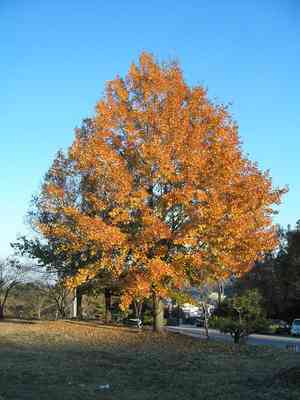
The formosan sweetgum, a deciduous tree recognized for its star-like foliage and thorny fruit, thrives with thoughtful trimming. Essential methods involve excising deceased or ailing limbs, reducing dense sections to improve light and airflow, and sculpting for visual appeal. The ideal period for pruning is from late winter to early spring, prior to the emergence of new shoots. Trimming while the tree is dormant lessens sap leakage and encourages robust spring development, thereby boosting the tree's vitality and look.
What Are the Benefits of Pruning Formosan Sweetgum?
What Are the Benefits of Pruning Formosan Sweetgum?
Trimming formosan sweetgum promotes robust development and helps maintain its desired form. It eliminates dead or crowded branches, improving air circulation and sunlight exposure, which is crucial for the plant's overall health.
What Is the Best Time for Pruning Formosan Sweetgum?
What Is the Best Time for Pruning Formosan Sweetgum?
Late winter and early spring are considered optimal for pruning formosan sweetgum as these periods precede the plant's active growth cycle, typically starting in spring. Pruning during late winter, while the plant is dormant, reduces stress and allows formosan sweetgum to recover and direct energy to new growth as temperatures rise. Additionally, the absence of leaves at this time offers better visibility for precise cuts and shaping. Furthermore, removing dead or diseased branches before new growth begins helps maintain formosan sweetgum's overall health, preventing the spread of pathogens that could exploit new tissue. Pruning after the cold season also prevents exposing fresh cuts to harsh winter conditions that might harm the plant. For these reasons, late winter and early spring are the ideal seasons for the maintenance and health of formosan sweetgum, which lacks a specific flowering or fruiting period that would otherwise dictate pruning times.
What Tools Do I Need to Prune Formosan Sweetgum?
Bypass Pruners
Perfect for making clean cuts on young or slender branches of formosan sweetgum, ensuring healthy regrowth and minimal plant damage.
Lopping Shears
Capable of cutting through thicker branches that bypass pruners cannot manage, essential for controlling formosan sweetgum's growth and maintaining its shape.
Pruning Saw
Required for removing larger limbs from mature formosan sweetgum, providing clean cuts that help prevent disease and pest infestations.
Pole Pruner
Enables safe trimming of higher branches without climbing, reducing the risk of damage to formosan sweetgum from improper pruning methods.
Hedge Shears
Useful for shaping formosan sweetgum when it is grown as a hedge or for formal landscaping, promoting even and consistent growth over time.
How to Prune Formosan Sweetgum
Sterilize
Before pruning formosan sweetgum, disinfect all cutting tools using isopropyl alcohol or a 10% bleach solution to prevent disease transmission.
Identify
Examine formosan sweetgum closely to pinpoint dead or diseased branches by looking for signs such as discoloration, withered bark, and absence of leaves or buds.
Cut
Use sharp pruning shears or a saw for larger branches to make clean cuts. Remove dead branches by cutting them at their origin or back to a lateral branch or bud. Cut diseased branches at least several inches below the affected area to ensure all diseased tissue is removed.
Disinfect
Between cuts, especially when moving from diseased to healthy branches, re-disinfect the tools to prevent contaminating healthy parts of formosan sweetgum.
Seal
After removing dead or diseased branches, seal the cuts on formosan sweetgum with a tree wound sealer to protect against pests and diseases.
Common Pruning Mistakes with Formosan Sweetgum
Over Pruning
Removing too much foliage and branches can stress formosan sweetgum, leading to stunted growth and increased susceptibility to diseases or pests.
Improper Cutting Technique
Incorrect cutting methods can result in jagged or torn limbs, making formosan sweetgum vulnerable to infections and decay.
Neglecting Tool Hygiene
Using uncleaned pruning tools can spread diseases from plant to plant, potentially infecting formosan sweetgum.
Ignoring Tree Structure
Failing to consider the natural shape and branch structure of formosan sweetgum can result in an unbalanced and weakened tree.
Pruning Healthier Branches
Mistakenly cutting away healthy branches instead of focusing on dead, damaged or diseased limbs can hinder formosan sweetgum's vitality.
Flush Cutting
Making flush cuts against the trunk can damage formosan sweetgum's bark and vital trunk tissue, impairing proper healing.
Common Pruning Tips for Formosan Sweetgum
Clean Cut
Use sharp, clean pruning tools to make precise cuts, which help formosan sweetgum recover quickly and minimize the risk of disease entry.
Consider Branch Collar
When removing branches, cut just outside the branch collar to promote proper healing and prevent damage to formosan sweetgum's trunk tissue.
Remove Damaged Limbs
Promptly remove any damaged or diseased branches to maintain formosan sweetgum's overall health and prevent further issues.
Thinning Over Crowning
Thin out the canopy to allow light and air to penetrate through, which can enhance formosan sweetgum's vigor and reduce disease pressure.
Selective Pruning
Prune selectively, focusing on removing the branches that negatively affect formosan sweetgum's structure, such as those that cross or rub against one another.
Progressive Pruning
For young formosan sweetgum, employ progressive pruning to shape it over several growing seasons rather than attempting to achieve the desired form in one go.



