How to Prune Flax?
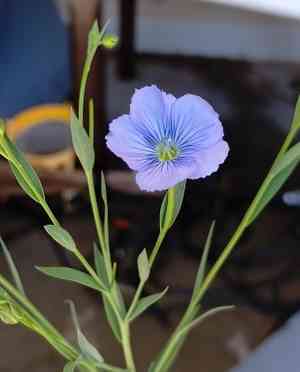
Flax, a significant source of fiber and oil, needs very little trimming. Concentrate on eliminating any lifeless or injured stalks to preserve the plant's well-being. Perform pruning in the early spring to encourage development and enhance airflow. Trimming prior to late autumn safeguards against severe weather harm. Consistent thinning boosts the crop's output and overall excellence.
Advantages of Trimming Flax
Advantages of Trimming Flax
Trimming flax promotes vigorous development and maintains its shape. Regular cutting back helps flax allocate more energy to producing stronger, healthier fibers and seeds, while also encouraging a more visually appealing form.
Optimal Time for Pruning Flax
Optimal Time for Pruning Flax
Pruning flax in early spring allows for the removal of any dead or damaged stems before the plant expends energy on new growth, improving its health and productivity. Late autumn is also suitable, after harvest, once flax has finished its growth cycle, which minimizes stress on the plant and prepares it for the next growing season.
Essential Tools for Pruning Flax
Hand Pruners
Perfect for detailed work on flax, such as removing dead or damaged stems and shaping the plant. Hand pruners enable clean cuts that encourage healthy regrowth.
Garden Scissors
Flax often requires delicate trimming, especially when thinning out crowded areas. Garden scissors provide the necessary precision for detailed pruning.
Pruning Snips
For the small, fine stems of flax, pruning snips are ideal as they can access tight spaces without harming adjacent stems.
Shears
If flax is cultivated on a larger scale, shears can be utilized for quick and efficient cutting back of the plant at the conclusion of the growing season.
How to Prune Flax
Step1: Examine Plant for Yellow Leaves and Withered Branches
Thoroughly inspect flax to identify all yellow leaves and withered branches. Ensure that pruning will not remove more than one-third of the plant at any single time, as this could stress flax.
Step2: Sanitize Pruning Tools
Sterilize your pruning shears with a 10% bleach solution or rubbing alcohol to prevent the spread of disease. This is vital for maintaining the health of the flax.
Step3: Trim Yellow Leaves at Base
Prune yellow leaves by carefully cutting them off at the base where they connect to the stem or branch. Avoid tearing the leaves, as this can create jagged edges that are vulnerable to pests and diseases.
Step4: Identify and Trim Withered Branches from Tips
Identify withered branches, which are likely to be dry and brittle. Begin pruning these from the tips, working your way towards the base of flax, but avoid cutting into healthy tissue.
Step5: Make Clean, Angled Cuts Above Growth Points
Make clean cuts on withered branches, using a slight angle to allow water runoff and prevent disease. Approximately a quarter inch above a bud or branching point is ideal as it helps promote healthy new growth.
Step6: Dispose of Pruning Debris
After trimming the yellow leaves and withered branches, dispose of the waste properly to avoid potential disease or pest issues in the garden.
Step7: Water Plant Post-Pruning
Finish by watering the flax adequately after pruning to reduce stress and encourage healthy regrowth. However, be mindful not to overwater, as flax prefers well-drained soil.
Step8: Monitor Plant and Fertilize if Needed
Monitor flax after pruning for signs of stress or new growth. Apply a balanced fertilizer if necessary to provide additional nutrients to flax after pruning.
Flax Post-Pruning Care
Flax Post-Pruning Care
Immediately after pruning flax, ensure sufficient watering to reduce stress and aid recovery. Maintain optimal environmental conditions including full sun exposure, moderate temperatures, and low humidity. Adjust watering frequency to reflect flax's reduced foliage. Apply a balanced fertilizer to replenish nutrients and encourage growth. Monitor flax for wilting, discoloration, or signs of infection. If such symptoms appear, reduce watering and inspect for pests or diseases. Implement necessary treatments promptly to prevent further damage.
Common Pruning Errors with Flax
Excessive Pruning Leads to Shock
Removing too much growth at once can shock flax, leading to stunted growth or even plant death.
Incorrect Timing Disrupts Growth Cycle
Pruning during active growth stages, so long as it's not the recommended season, may interrupt flowering and seed formation.
Dull Tools Cause Stem Damage and Disease
Using dull or dirty tools can damage flax's stems and potentially introduce diseases to the plant.
Not Removing Dead Material Invites Rot and Pests
Failing to remove dead or diseased material compromises flax's health by encouraging rot and attracting pests.
Dense Growth Reduces Air and Light Access
Neglecting to thin out dense growth can result in poor air circulation and light penetration, which is detrimental for flax's overall health.
General Pruning Advice for Flax
Use Clean, Sharp Tools for Healthy Cuts
Always use clean, sharp pruning tools to make clean cuts and prevent disease spread when working with flax.
Prune Sparingly and Focus on Problem Areas
Prune conservatively, focusing on removing only dead or diseased parts, and thinning out areas to improve light penetration and air flow.
Cut Above Nodes to Promote New Growth
Cut back to just above a node or branching point to encourage new growth without harming the main structure of flax.
Regular Inspections for Timely Pruning
Regularly inspect flax for damaged stems or signs of disease, and immediately prune these areas to maintain plant health.
Dispose of Clippings to Prevent Disease Spread
After pruning, properly dispose of any clippings to prevent any potential diseases from affecting flax or nearby plants.



