How to Prune Scarlet flax?
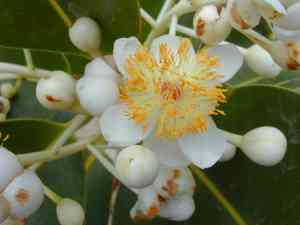
Distinguished by its vibrant flowers, scarlet flax thrives with consistent removal of spent blooms to foster uninterrupted flowering. After the initial blossoming period in late spring, trim back the stalks to stimulate a subsequent wave of flowers. During the summer, gentle shaping helps maintain the plant's neat appearance and can prolong its flowering into autumn. Autumn pruning entails severing all withered stems to soil level, readying scarlet flax for its dormant phase. Appropriate pruning ensures the plant's well-being and amplifies the beauty of its remarkable blooms.
What Are the Benefits of Pruning Scarlet Flax?
What Are the Benefits of Pruning Scarlet Flax?
Trimming scarlet flax promotes robust development and helps preserve its desired form, ensuring a dense and attractive shape that boosts its decorative appeal.
What Is the Best Time for Pruning Scarlet Flax?
What Is the Best Time for Pruning Scarlet Flax?
For scarlet flax, optimal trimming periods are spring and autumn. Spring pruning, before new growth emerges, directs energy toward healthy new shoots, leading to more vigorous growth and abundant flowers. This timing also allows removal of winter-damaged or dead growth. Fall pruning should occur after flowering. This practice removes spent blooms and seed heads, potentially encouraging a second flush of flowers in scarlet flax and preventing unwanted self-seeding. It's also a good time to shape the plant for size and appearance. Summer pruning is not ideal for scarlet flax, as it can stress the plant during its peak growth and flowering phase.
What Tools Do I Need to Prune Scarlet Flax?
Bypass Pruners
Perfect for making clean, precise cuts on scarlet flax, bypass pruners are ideal for deadheading or cutting back the plant. Their design allows for close cuts without harming delicate stems.
Gloves
Though not a tool, wearing gloves when trimming scarlet flax is crucial to protect hands from potential irritation or minor injuries during the process.
How to Prune Scarlet Flax
Sterilize tools
Before beginning, ensure all pruning implements are sanitized to prevent disease transmission to scarlet flax.
Identify withered leaves
Carefully inspect scarlet flax, pinpointing all dried leaves that require removal.
Cut withered leaves
Using sharp scissors or pruning shears, carefully snip away the identified withered leaves at their base where they meet the stem, avoiding damage to healthy parts of scarlet flax.
Dispose foliage
Gather the removed withered foliage and discard it away from scarlet flax to minimize disease risk.
Healthy growth inspection
After pruning, check scarlet flax for signs of new growth and overall plant health, ensuring it's ready for continued healthy development.
Common Pruning Mistakes with Scarlet Flax
Overpruning
Removing too many stems of scarlet flax at once can stress the plant, hindering its growth and blooming potential. Prune sparingly to allow the plant to flourish.
Improper cutting technique
Using dull or dirty tools can damage the delicate stems of scarlet flax, leading to tears or increased vulnerability to disease. Always use clean, sharp scissors or pruners.
Pruning without reason
Some gardeners may prune scarlet flax indiscriminately without understanding its growth habit or natural form. Prune only to remove dead or unhealthy tissue, shape the plant, or encourage new growth.
Neglecting deadheading
Failing to remove spent flowers of scarlet flax can prevent new blooms, as the plant may prioritize seed production. Regular deadheading promotes continuous flowering.
Pruning too late
While the best season for pruning is excluded, it is still a common mistake to prune scarlet flax when it is no longer beneficial. Prune at the correct time in the plantâs growth cycle, other than the season, such as after flowering.
Common Pruning Tips for Scarlet Flax
Selective pruning
Identify and selectively remove only the dead or unhealthy portions of scarlet flax to promote better air circulation and reduce disease risk.
Deadheading
Regularly pinch off or cut the faded blooms of scarlet flax to encourage the plant to produce new flowers instead of setting seeds.
Shape maintenance
Lightly trim scarlet flax to maintain its desired shape and size, focusing on thinning rather than shortening stems to preserve its natural form.
Rejuvenation
Occasionally, scarlet flax may benefit from more aggressive pruning to revitalize the plant and stimulate new growth. This should be done carefully, considering the plant's overall health and vigor.
Clean practices
Use sterilized pruning tools when working with scarlet flax to prevent disease spread, and clean the tools after making cuts, especially when moving between different plants.



