How to Prune Toadflax?
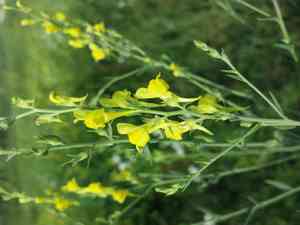
Distinguished by its delicate stalks and vivid blossoms, toadflax greatly profits from regular trimming. Optimal periods for pruning encompass spring, summer, and autumn, aligning with toadflax's vigorous development stages. Trimming during these intervals aids in preserving the plant's well-being by stimulating fresh growth and eliminating faded flowers or compromised sections. Consistent pruning not only improves toadflax's aesthetic appeal but can also substantially boost flower output, guaranteeing a lively spectacle in the landscape.
Advantages of Trimming Toadflax
Advantages of Trimming Toadflax
Trimming toadflax promotes robust development and preserves its form, improving its look and well-being. Regular cutting prevents excessive growth, ensuring the plant stays visually appealing and manageable.
Optimal Period for Trimming Toadflax
Optimal Period for Trimming Toadflax
Trimming toadflax in Spring is advantageous as it aids in removing any winter damage and prepares the plant for vigorous growth in the upcoming season. Summer trimming is ideal for maintaining toadflax's shape and controlling its rapid growth, which is typical during this period. Furthermore, Fall trimming is essential for thinning out old growth, which helps prevent diseases and readies toadflax for winter dormancy.
Tools Required for Trimming Toadflax
Bypass Pruners
Perfect for making precise, clean cuts on toadflax's delicate stems. These tools inflict less harm on plant tissues, encouraging healthier regrowth.
Floral Snips
Excellent for reducing dense areas and achieving more intricate shaping of toadflax. These snips offer accuracy in confined spaces without harming adjacent stems.
Pruning Shears
Useful for managing slightly thicker stems or more mature parts of toadflax, providing good leverage and clean cuts for routine maintenance.
How to Trim Toadflax
Identify
Examine toadflax for any diseased leaves, withered leaves, dead branches, and diseased branches that require removal. This helps maintain the plant's health by preventing disease spread and encouraging new growth.
Sanitize
Disinfect pruning shears or scissors before use to prevent disease transmission. Use a bleach and water solution or alcohol to thoroughly clean the tools.
Prune dead material
Carefully remove dead branches and withered leaves from toadflax by cutting at the stem's base. Ensure cuts are clean and avoid tearing to protect toadflax from potential stress or damage.
Prune diseased parts
Cut away any diseased leaves and branches from toadflax, ensuring to cut into healthy tissue slightly beyond the disease point. This is crucial to ensure no infected material remains on the plant.
Dispose
Properly discard removed parts to avoid contaminating the planting area. Do not compost diseased material as it could harbor pathogens that might infect the compost pile.
Common Trimming Errors with Toadflax
Excessive Trimming
Severely cutting back toadflax can harm its natural structure and vigor, leading to reduced flowering. Toadflax generally benefits from a lighter touch to maintain its health and aesthetic form.
Incorrect cutting methods
Using dull or dirty pruning tools can damage toadflax stems, potentially resulting in jagged cuts that heal poorly and make the plant vulnerable to diseases.
Removing too much old wood
Toadflax partially relies on its older growth for abundant blooms, so removing too much old wood can significantly decrease its flowering potential.
Timing oversight
Trimming at the wrong time, even though the seasonality should not be mentioned, can still impact the plantâs cycle dramatically. Ensuring trimming actions align with the plant's growth and dormancy phases is crucial.
General Trimming Advice for Toadflax
Utilize sharp tools
Always use clean, sharp secateurs or pruners. This ensures clean cuts that heal quickly, reducing stress and exposure to pathogens.
Trim lightly
Focus on removing dead or diseased wood, and thin out crowded areas to improve light penetration and air circulation. This is usually sufficient to keep toadflax healthy and vigorous.
Protect growth nodes
Cut back to just above a set of leaves or growth nodes, ensuring not to damage these parts as they are crucial for new growth.
Shape naturally
Maintain the natural form of toadflax rather than over-trimming into an unnatural shape. This supports healthier growth and floral production.



