How to Prune Wood lily?
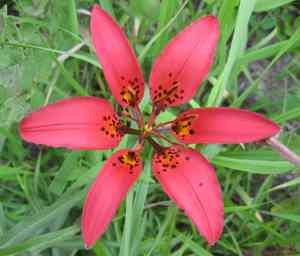
A resilient perennial wildflower featuring vibrant orange-red blossoms, wood lily flourishes with infrequent trimming. Removing faded flowers encourages additional blooming and inhibits self-propagation. Following the flowering period, trim stems down to the soil surface to sustain the plant's vitality. Optimal trimming takes place in spring to eliminate deceased foliage or in summer once the flowers have withered. Pruning wood lily boosts the subsequent season's development and can aid in managing its expansion within garden environments.
Advantages of Trimming Wood Lily
Advantages of Trimming Wood Lily
Trimming wood lily encourages robust development and helps maintain its desired form. Regularly removing old stalks can revitalize the plant, leading to more abundant blooms, while shaping manages size, ensuring wood lily fits aesthetically within garden spaces.
Optimal Time for Pruning Wood Lily
Optimal Time for Pruning Wood Lily
Pruning in late spring is ideal as wood lily will have just finished blooming, minimizing the chance of cutting off developing buds and allowing the plant to focus its energy on growth rather than seed production. Early summer trimming, before seeds form, helps control shape and prevents unwanted spreading if seed dispersal is not desired. Trimming during these periods supports healthy regrowth, giving wood lily ample time to recover before entering winter dormancy.
Necessary Tools for Pruning Wood Lily
Sharp Bypass Pruners
These are crucial for making clean cuts on wood lily's stems without harming the plant's tissues, which is vital for its health and post-pruning recovery.
Handheld Snips
Wood lily lacks thick branches, so small handheld snips or micro-tip pruning shears are perfect for removing faded flowers and deadheading to promote reblooming.
Gardening Gloves
Gloves protect the gardenerâs hands, and since wood lily can have delicate areas that should not be crushed or bruised, a firm grip is important.
Disinfectant
It is essential to sanitize tools before and after use to prevent disease transmission. This is critical as wood lily can be vulnerable to viral, fungal, and bacterial infections.
Pruning Saw
For larger specimens or if wood lily is growing in clumps and needs division, a fine-toothed pruning saw can be used to separate the bulbs with minimal damage.
How to Prune Wood Lily
Deadhead
Identify spent blooms on wood lily, making sure to differentiate between dead flowers and developing seed heads.
Cut Back Old Stems
Using sharp, sterilized pruning shears, snip the old stems of wood lily at the base, avoiding damage to new growth.
Dispose Materials
Remove and discard pruned material from around wood lily to prevent disease and pest infestation.
Inspect
Examine wood lily to confirm the removal of all dead flowers and old stems, and check for signs of stress or disease.
Clean Up
Clean and sterilize the pruning tools after use to prevent the spread of disease to other plants.
Common Pruning Errors with Wood Lily
Over-Pruning
Cutting back too much of wood lily's foliage can weaken the plant and reduce the energy available for growth and flowering.
Removing Too Many Leaves
Leaves are vital for photosynthesis. Removing an excessive number of leaves can hinder wood lily's ability to thrive.
Pruning Too Early
Pruning wood lily before its blooming cycle has finished can result in fewer flowers in the subsequent season.
Cutting Flower Stems Too Short
Flower stems should be left long enough to ensure that sufficient leaves remain for energy production.
Disregarding The Health Of The Plant
Failing to remove diseased or damaged tissue can lead to the spread of disease and compromise wood lily's vitality.
Using Dull Or Dirty Tools
Pruning wood lily with dull or contaminated tools can result in jagged cuts that are susceptible to disease.
Pruning During Wet Conditions
Trimming wood lily when the plant is wet can spread disease and make clean cuts more difficult to achieve.
General Pruning Advice for Wood Lily
Clean Equipment
Always use sharp and sterile pruning tools to make clean cuts that heal quickly, reducing the risk of disease.
Cut At An Angle
Make angled cuts on wood lily's stem to prevent water buildup that can lead to decay.
Deadheading
Remove spent flowers of wood lily to redirect energy to the remaining flowers or to encourage new growth.
Prune For Shape
Lightly prune wood lily to maintain an aesthetically pleasing form without compromising the plant's health.
Check Plant Health
Before pruning, inspect wood lily for signs of pests or diseases and prune affected areas with care to prevent spreading.
Thin Crowding Stems
Prune to thin out crowded stems of wood lily to increase light penetration and air circulation, promoting overall health.
Minimal Pruning Approach
Adopt a conservative approach to pruning wood lily, snipping only what is necessary to avoid stressing the plant.



