How to Prune Easter lily?
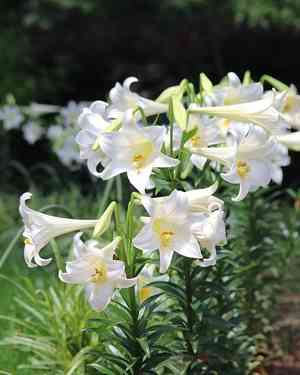
Distinguished by its bell-shaped blossoms, easter lily necessitates careful trimming. Eliminate faded blooms and discolored foliage to stimulate development and blooming. Cut back roots and stalks during repotting to foster robust growth. Perform pruning in early spring or following its bloom period, in late autumn, to sustain vitality. This practice revitalizes easter lily by directing its resources toward fresh flowers, thereby improving both the plant's aesthetic and lifespan.
What Are the Benefits of Pruning Easter Lily?
What Are the Benefits of Pruning Easter Lily?
Trimming easter lily promotes abundant flowering, stimulates vigorous development, and maintains a desired shape. This precise cutting ensures easter lily channels energy into producing blossoms, thrives robustly, and remains visually appealing while being a manageable size.
What Is the Best Time for Pruning Easter Lily?
What Is the Best Time for Pruning Easter Lily?
Trimming easter lily in early spring encourages new growth and helps the plant direct its energy towards developing strong blooms for the upcoming season. This timing occurs after the plant's winter dormancy, reducing stress from pruning as it prepares for a natural period of vigorous growth. Pruning in late fall is beneficial for removing any faded flowers or seed pods from easter lily, which can foster improved growth the following year. This period is before the plant enters dormancy, allowing wounds to heal quickly and energy to be stored for winter. Pruning during these specific seasons aligns with easter lily's natural growth cycle, ensuring plant health and maximizing its floral display.
What Tools Do I Need to Prune Easter Lily?
Sharp, clean shears
Easter lily is a bulb plant that typically requires minimal trimming. When pruning is necessary, such as removing dead or yellowing leaves and spent flower stalks, using sharp and clean shears is crucial to ensure precise cuts that heal quickly and minimize disease transmission risk.
Bypass pruners
Ideal for easter lily, bypass pruners deliver accurate cuts and prevent crushing the plant's delicate stems. Their design allows for clean, sharp cuts, which is vital for the plant's well-being.
Gloves
While easter lily isn't particularly harmful, wearing gloves can safeguard the gardener's hands from sap and any sharp edges or thorns that might be present in the garden area.
Disinfectant
Disinfecting pruning tools before and after use helps prevent the spread of diseases to easter lily. A common disinfectant for this purpose is either rubbing alcohol or a 10% bleach solution.
How to Prune Easter Lily
Step1: Identifying Dead Flowers for Pruning
Locate the dead and faded blooms of easter lily that require trimming. Look for flowers that are brown, wilting, or no longer visually appealing.
Step2: Sterilization of Pruning Tools
Sanitize pruning shears or scissors before starting to prevent disease spread. Wipe the blades with rubbing alcohol or a household disinfectant.
Step3: Snipping off Dead and Faded Blooms
Using the sterilized shears, carefully snip off the dead and faded blooms at their base, just above the first set of healthy leaves. This will encourage easter lily to focus energy on healthy growth and potentially promote reblooming.
Step4: Damaged Stem Inspection
Examine easter lily for any damaged stems, which may appear broken, bent, discolored, or diseased. Damaged stems can attract pests or lead to disease if left untreated.
Step5: Pruning Damaged Stems for Healthy Growth
Cut back the damaged stems to a healthy section of the stem. Make the cut just above a leaf node or bud to facilitate robust new growth.
Step6: Disposal of Pruned Plant Parts
After pruning, properly dispose of all trimmed parts, as they can harbor pests or diseases. Do not compost diseased material.
Step7: Post-Pruning Tool Cleaning
Clean the shears again after use to maintain hygiene and prevent any potential spread of disease from the pruned plant parts.
Step8: Post-Pruning Watering for Recovery
Water the easter lily sufficiently after pruning to aid its recovery, but be careful not to overwater as easter lily dislikes soggy soil.
Step9: Monitoring Plant After Pruning
Observe easter lily for signs of new growth or issues post-pruning. Continue regular care and maintenance, adjusting as needed for the plant's health and development.
Post-Pruning Care for Easter Lily
Post-Pruning Care for Easter Lily
After trimming easter lily, promptly ensure suitable environmental conditions: place in bright, indirect light, maintain temperatures around 60-65°F, and keep humidity levels moderate. Water the soil to keep it slightly moist, not waterlogged. Apply a balanced, slow-release fertilizer to support easter lily's recovery and new growth. Monitor the plant for wilted foliage or discoloration, which may indicate stress or infection. If detected, adjust care and consult a horticulturist for potential treatments.
Common Pruning Mistakes with Easter Lily
Over-Pruning Causes Stress and Weakness
Trimming easter lily too aggressively, removing an excessive amount of the plant which can stress and weaken it.
Avoid Cutting Healthy Foliage and Green Shoots
Cutting into the healthy, unblemished foliage or live green shoots, which can potentially reduce flowering and overall vigor.
Using Blunt or Unclean Tools Damages Stems
Using dull or dirty pruning tools, which can cause damage to the stems and may introduce disease to easter lily.
Uneven Pruning for Natural Growth and Appearance
Trimming all stems to the same height, which can result in a less natural appearance and potentially hinder the plant's growth pattern.
Remove Spent Flowers to Save Energy for Blooms
Ignoring the removal of only the spent flowers and seedpods, leading to wasted energy on seed production rather than on the health and blooms for the next season.
Common Pruning Tips for Easter Lily
Clean, Sharp Shears for Healthy Cuts
Always use clean, sharp pruning shears to make precise cuts on easter lily, which helps prevent disease transmission and promotes quicker healing.
Prune Below Spent Flowers, Leaving Foliage
After flowering, cut the stem of easter lily below the spent flower, but leave as much foliage on the plant as possible to allow continued photosynthesis and energy storage for the next season.
Remove Discolored Leaves for Disease Prevention
Remove any brown or yellowing leaves from easter lily to maintain good air circulation and hygiene, which helps prevent disease.
Cut Diseased Tissue Promptly into Healthy Area
Prune easter lily to remove any diseased or damaged tissue as soon as it is noticed, making cuts into healthy tissue just below the affected areas.
Selective Cuts to Shape and Promote Robust Growth
When shaping easter lily, make selective cuts to maintain an attractive plant form and encourage healthier, more robust growth.



