How to Prune Columbia lily?
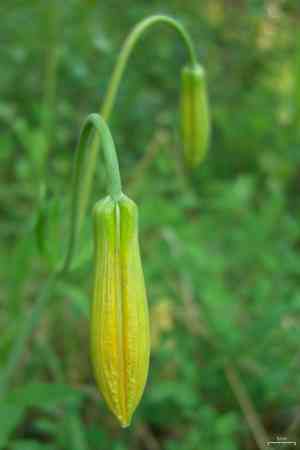
This perennial, characterized by its striking orange-yellow blossoms, needs very little trimming. Snip off faded columbia lily flowers once they've bloomed to stop seed production, thereby channeling energy toward bulb development. The best time for pruning is from late spring to summer, after the flowering period. Any dead or ailing leaves ought to be removed at their base to preserve the plant's well-being. Consistent removal of spent flowers promotes vigorous blooming in the subsequent season. Be careful, as excessive pruning can weaken the plant.
What Are the Benefits of Pruning Columbia Lily?
What Are the Benefits of Pruning Columbia Lily?
Trimming columbia lily promotes vigorous development and maintains its desired shape. Eliminating old or crowded stems enhances air circulation, decreasing disease risk and stimulating robust new foliage and blooms.
What Is the Best Time for Pruning Columbia Lily?
What Is the Best Time for Pruning Columbia Lily?
Pruning columbia lily should occur in the spring and early summer, aligning with the period after blooming and before seed production. During these times, columbia lily is actively growing, and its resources are directed towards recovery and development rather than flowering or dormancy. This timing also prevents potential harm to flower buds that emerge later in the season. Spring pruning can help shape the plant, remove dead or damaged tissue, and encourage strong growth. Early summer trimming is ideal for removing spent flowers and can stimulate a second bloom in some instances. These seasons ensure columbia lily's energy is efficiently channeled towards healing and new growth, promoting overall plant vigor and health.
What Tools Do I Need to Prune Columbia Lily?
Bypass Pruners
These are perfect for cutting soft stems of columbia lily without harming the plant tissue. They operate like scissors, providing a clean cut that aids in rapid healing.
Fine-toothed Pruning Saw
For any old, thick stems that require removal, a fine-toothed pruning saw can make a clean cut without damaging the rest of the columbia lily.
Pruning Snips
These are suitable for deadheading spent flowers or for precise trimming of columbia lily's leaves and stems. Their small size allows for delicate work without disturbing the remaining healthy plant parts.
Gardening Gloves
To ensure a safe pruning process, gloves will protect the gardener's hands from thorns and sap, which may cause irritation or allergic reactions when handling columbia lily.
How to Prune Columbia Lily
Clean tools
Sanitize pruning shears or scissors before beginning to prevent the spread of disease to or from columbia lily.
Remove diseased leaves
Carefully inspect columbia lily for any signs of disease on the leaves. Gently remove diseased leaves by cutting them at the base without tearing or damaging the stem.
Remove withered leaves
Identify withered or yellowing leaves on columbia lily and remove them by cutting at the base to improve aesthetics and direct the plantâs energy to healthier growth.
Remove diseased stems
Examine columbia lily for any diseased or damaged stems, and prune them back to healthy tissue, ensuring clean cuts that minimize harm to the plant's remaining healthy parts.
Clean up
Dispose of all removed material from columbia lily promptly to avoid the spread of disease and tidy up the surrounding area to maintain a clean environment for the plant.
Common Pruning Mistakes with Columbia Lily
Overpruning
Removing too much foliage could stress columbia lily, which relies on its leaves for photosynthesis and energy storage.
Cutting too close to the main stem
Pruning too close to columbia lily's main stem may damage the plant's vascular system, hindering nutrient and water flow.
Pruning at wrong angle
Incorrectly angled cuts could result in water accumulation on the cut surface, increasing the risk of disease in columbia lily.
Using dull or dirty tools
Unclean or blunt tools might introduce pathogens or cause ragged cuts that can impede columbia lily's healing process.
Removing healthy growth
Indiscriminate cutting of healthy stems or leaves could limit columbia lily's flowering potential, as flowers develop on new growth.
Common Pruning Tips for Columbia Lily
Sanitize tools
Ensure pruning tools are clean and sharp to make precise cuts and avoid introducing disease to columbia lily.
Prune for shape
Lightly shape columbia lily by removing wayward stems to maintain its natural form without compromising its structural integrity.
Cut at an angle
Make angled cuts away from the main stem to allow water runoff and prevent rot in columbia lily.
Remove spent blooms
Trim off dead flowers to conserve columbia lily's energy for future growth and blooming.
Thin out dense areas
Carefully thin out overly dense sections to increase air circulation and light penetration, fostering a healthier columbia lily.



