How to Prune Madonna lily?
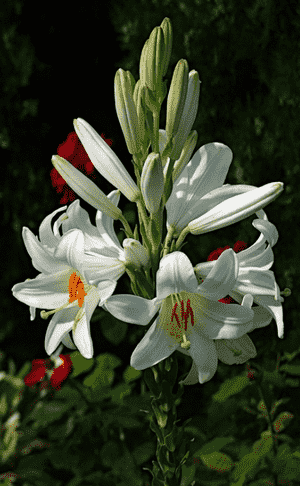
Featuring graceful white blossoms and a pleasant scent, madonna lily is a majestic bulb-forming perennial. Trimming away spent or discolored foliage following flowering boosts vitality and redirects resources to the bulb. Detach flower stems after blooming concludes to hinder seed development. This trimming should be performed in late summer or autumn once the foliage has withered. It is crucial to avoid severing green leaves, as they rejuvenate the bulb for the subsequent season's flowering. Consistent pruning strengthens the caliber of blooms and the plant's overall well-being.
What Are the Benefits of Pruning Madonna Lily?
What Are the Benefits of Pruning Madonna Lily?
Trimming madonna lily promotes abundant flower production by channeling energy into blossom development. Regular trimming maintains its form, enhancing both vitality and appearance. It also stimulates vigorous development, ensuring a robust and flourishing plant.
What Is the Best Time for Pruning Madonna Lily?
What Is the Best Time for Pruning Madonna Lily?
Pruning in late autumn (after foliage dies back) allows madonna lily to conserve energy as it enters dormancy, lessening the risk of stressing the plant. This timing also prevents the spread of disease and pests that are less active in colder temperatures. Early spring pruning is beneficial as it removes any dead or damaged tissue from winter before new growth begins, which helps redirect the plant's energy toward producing healthy shoots and blooms.
What Tools Do I Need to Prune Madonna Lily?
Sharp Scissors or Shears
For cutting through the relatively thin, stem-like structures of madonna lily, clean and precise tools such as sharp scissors or hand pruners/shears are essential. Due to its herbaceous nature, madonna lily does not require heavy-duty pruning equipment. The blades should be sharp to ensure a clean cut that minimizes damage to the plant tissues, which can help prevent diseases.
Gloves
Wearing gloves while pruning madonna lily can protect the gardener's hands from potential irritants or sap, as well as ensuring a better grip on the tools being used. Madonna lily sap may cause skin irritation to some individuals, making gloves an essential tool.
Disinfectant for Tools
Before and after pruning madonna lily, it is critical to clean and disinfect the pruning tools. This practice prevents the spread of diseases between plants, which is especially important for madonna lily if affected by fungal or bacterial issues. A simple disinfectant like isopropyl alcohol or a 10% bleach solution can be used.
Garden Waste Bag
Collecting the cuttings and spent flowers of madonna lily helps maintain a clean environment and reduces the spread of any diseases. A garden waste bag or bin should be used to gather prunings immediately.
How to Prune Madonna Lily
Disinfect Tools
Prior to pruning madonna lily, disinfect all pruning tools using a solution of 1 part bleach to 9 parts water, to prevent the spread of disease.
Remove Diseased
Identify and carefully remove any diseased leaves from madonna lily, using clean, sharp scissors or pruning shears, being cautious to avoid healthy tissue to minimize the risk of transmitting infections.
Trim Withered Leaves
Trim off withered leaves from madonna lily at their base where they meet the stem. Use your disinfected pruning shears and make clean cuts to avoid tearing, which could invite disease or pests.
Deadhead Flowers
Deadhead madonna lily by cutting the withered flower stems just below the lowest spent flower, allowing for the continued allocation of energy to healthy parts of the plant.
Cleanup
After completing pruning, clean up all debris from around madonna lily to reduce the chances of disease and pest infestation, and dispose of the plant material off-site or in a compost that will reach sufficient heat to kill pathogens.
Common Pruning Mistakes with Madonna Lily
Over Pruning
Removing too much foliage, which can weaken madonna lily and reduce its ability to bloom.
Improper Cut Location
Making cuts too far from the stem, which may result in uneven growth and potential for disease entry.
Pruning During Growth
Pruning when madonna lily is actively growing can stress the plant and decrease flower production.
Using Dull Tools
Employing dull pruning tools can cause damage to the plant tissues, leading to frayed cuts that heal poorly.
Ignoring Diseased Material
Failing to remove diseased or pest-infested portions, which can lead to further contamination of madonna lily.
Common Pruning Tips for Madonna Lily
Sanitation
Use clean, sharp tools to make precise cuts, reducing the risk of spreading diseases between plants.
Deadheading
After blooming, remove spent flower heads to encourage madonna lily to conserve energy for future growth.
Disease Control
Prune away any diseased or damaged tissue as soon as it is identified to maintain the health of madonna lily.
Growth Direction
Guide madonna lily's growth by pruning just above a leaf node facing the outside of the plant. This encourages outward, rather than inward, growth.
Moderate Pruning
Limit pruning to removing dead or damaged parts and thinning out congested areas to improve air circulation around madonna lily.



