How to Prune Lyme grass?
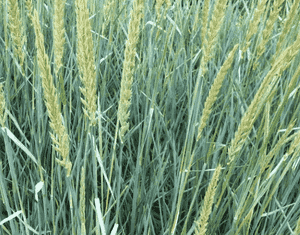
A resilient seaside grass, lyme grass is distinguished by its elongated, bluish-green foliage. The most effective trimming method entails removing aged growth in early spring or during winter to revitalize the specimen. This schedule corresponds with its natural development, fostering vigorous new stems. Consistent cutting manages its expansion and preserves the plant's well-being. Advantages of pruning encompass a diminished likelihood of illness and enhanced airflow, which are crucial for this variety recognized for its rapid colonization of areas.
Advantages of Trimming Lyme Grass
Advantages of Trimming Lyme Grass
Trimming lyme grass promotes robust development and helps maintain its desired form. Strategic cuts enhance air circulation and light penetration, crucial for the plant's strength and structure.
Optimal Time for Trimming Lyme Grass
Optimal Time for Trimming Lyme Grass
Trimming lyme grass in early spring is ideal, occurring before the start of its new growth phase. Pruning at this time allows gardeners to shape the plant and eliminate any dead or diseased parts without hindering the upcoming growth cycle. Additionally, early spring trimming stimulates new growth, resulting in a more vigorous plant during the growing season. Winter is also a suitable period for trimming lyme grass, especially when the plant is dormant. Pruning during dormancy minimizes plant stress and reduces the risk of disease transmission, as many pathogens are inactive in cold weather. Furthermore, the absence of leaves in winter provides better visibility of the plant's structure, enabling more precise cuts and shaping.
Tools Required for Trimming Lyme Grass
Bypass Pruners
Perfect for making clean cuts on lyme grass's young, tender stems without causing harm, ensuring healthier regrowth.
Grass Shears
Useful for precise trimming and shaping of lyme grass when detailed plant form is desired.
Long-Handled Loppers
Offer leverage to cut through older or thicker stems of lyme grass, reaching into the plant without straining the gardener.
Gardening Gloves
Protect hands from sharp edges and potential skin irritants while trimming lyme grass.
Hand Saw
Essential for cutting back thicker, woody sections of mature lyme grass that bypass pruners or loppers cannot manage.
How to Trim Lyme Grass
Identify
Thoroughly inspect lyme grass to pinpoint diseased or withered leaves. Look for any discoloration, spots, or signs of fungal infection that distinguish unhealthy foliage from healthy growth.
Sterilize
Sanitize your pruning shears with rubbing alcohol or a bleach solution to prevent disease spread. Ensure your tools are sharp for clean cuts without damaging lyme grass.
Prune Diseased
Carefully remove diseased leaves by cutting at the leaf's base where it connects to the stem. Be sure to only remove clearly damaged or diseased leaves to avoid excessive trimming of lyme grass.
Prune Withered
Trim withered leaves, which are dry and brown, by cutting them at the base, similar to diseased leaves. This helps direct lyme grass's energy towards new growth and healthy foliage.
Dispose
Discard the removed foliage far from lyme grass to prevent any potential disease spread. Do not compost diseased material, as it can contaminate the compost pile.
Common Trimming Errors with Lyme Grass
Using Dull Tools
Dull cutting instruments can crush lyme grass stems instead of providing a clean cut, leading to damage and potential entry points for disease.
Excessive Pruning
Cutting back lyme grass too aggressively can stress the plant and impede its growth and vitality, as it relies on its foliage for photosynthesis.
Aimless Pruning
Trimming lyme grass without understanding its growth habit can result in an unbalanced or unhealthy plant. It's crucial to know where and how to cut for the plant’s benefit.
Incorrect Cut Placement
Improper placement of cuts on lyme grass may invite disease or pests, as many plants are vulnerable to issues when pruned too close or too far from a node or the plant's base.
Neglecting Dead Or Diseased Material
Failing to remove dead or damaged areas of lyme grass can allow diseases and pests to establish and spread to healthier parts.
General Trimming Advice for Lyme Grass
Utilize Sharp, Clean Tools
Ensure that the tools used for trimming lyme grass are sharp and disinfected to make precise cuts and prevent disease transmission.
Trim For Shape And Health
When trimming lyme grass, focus on maintaining a desirable shape and promoting healthy growth by removing only what is necessary, such as dead or overcrowded stems.
Understand Growth Patterns
Recognize that lyme grass has a specific growth pattern. Trimming should accommodate this pattern to enhance the plant's natural form.
Cut At The Right Angle
Cuts should be made at a 45-degree angle for lyme grass, slanting away from the buds to prevent water accumulation, which could lead to rot and disease.
Sanitation Is Key
Always clean up trimmed material from around lyme grass to prevent fungal growth and pest infestations, which can be particularly detrimental to the plant's health.



