How to Prune Lovage?
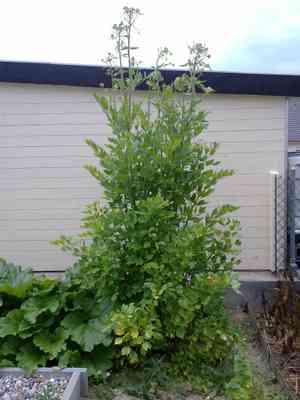
Lovage, a sturdy perennial herb prized for its fragrant foliage and seeds, flourishes with consistent trimming. After blooming, snip off spent leaves and stalks to stimulate fresh development. Springtime pruning eliminates aged leaves, whereas summer cuts manage its dimensions and foster air movement. A gentle autumn trim readies lovage for the colder months. The advantages of pruning encompass improved taste, robust specimens, and reduced susceptibility to illness. The perfect moment for cutting back is when new shoots emerge or following seed production.
What Are the Benefits of Pruning Lovage?
What Are the Benefits of Pruning Lovage?
Trimming lovage promotes a strong root system and lush leaves, fostering more vigorous development. Strategic cutting manages lovage's size, preventing an untidy look. This regular upkeep also encourages flower production, crucial for the plant's life cycle and visual appeal.
What Is the Best Time for Pruning Lovage?
What Is the Best Time for Pruning Lovage?
In early spring, lovage's growth is just starting after winter dormancy, making it ideal for trimming to encourage healthy new development and maintain plant form. Late summer pruning allows for removal of any excess growth or damaged stems after the main growing season, while ensuring the plant has time to recover before winter arrives.
What Tools Do I Need to Prune Lovage?
Hand Pruners
For accurate cuts and the ability to shape lovage, hand pruners are indispensable. They provide control for trimming stems without causing unnecessary harm to the plant.
Shears
To efficiently trim multiple lovage stems simultaneously, especially for shaping the plant or removing spent foliage, shears are effective and save time.
Gardening Gloves
When trimming lovage, gloves protect hands from sap and ensure a secure grip on tools, enhancing the precision and safety of the task.
How to Prune Lovage
Sanitize
Before beginning, disinfect your pruning shears with isopropyl alcohol to prevent the spread of disease to lovage.
Remove Diseased Leaves
Carefully inspect lovage's foliage and trim any diseased or discolored leaves at the stem's base to improve health and prevent disease spread.
Trim Withered Leaves
Remove withered or dead leaves that no longer contribute to lovage's growth to maintain a neat appearance and direct energy to healthier plant parts.
Deadhead Flowers
Deadhead spent flowers by cutting them back to the base of the flowering stem to encourage new growth and potentially more blooms.
Clean Up
Gather and dispose of all trimmed material away from lovage to reduce the risk of pests and disease, and clean your pruning tools after finishing.
Common Pruning Mistakes with Lovage
Overzealous Pruning
Removing too much foliage or cutting back lovage too severely can lead to reduced vigor and a less robust plant.
Improper Cutting Techniques
Using dull or dirty tools can damage lovage stems, making the plant more vulnerable to disease and pests.
Pruning Without A Purpose
Trimming lovage without understanding the plant's growth pattern or pruning needs can result in poor plant health and shape.
Neglecting Dead Or Diseased Material
Failing to remove dead or diseased stems can hinder lovage's growth and may lead to the spread of pests and diseases.
Ignoring Plant Structure
Pruning without paying attention to the natural structure of lovage can result in an unbalanced and aesthetically unpleasing plant.
Common Pruning Tips for Lovage
Sharp Tools
Use sharp, clean pruning shears to make precise cuts that will heal quickly and minimize stress on lovage.
Selective Pruning
Focus on removing only dead or weak stems, as well as thinning crowded areas to improve air circulation and light penetration for lovage.
Shape Maintenance
Trim lovage to maintain its natural shape, encouraging a fuller appearance and healthier growth habit.
Disease Prevention
After pruning lovage, disinfect your tools to prevent the spread of diseases from one plant to another.
Growth Encouragement
Prune to encourage branching, which leads to more leaf production on lovage, ensuring a bountiful supply of fresh leaves.



