How to Prune Mountain doghobble?
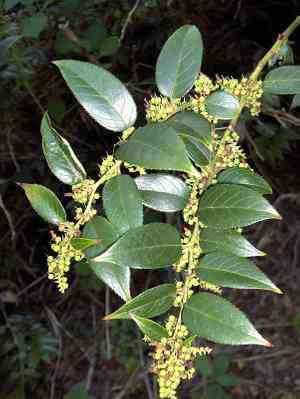
This expansive evergreen bush is distinguished by its gracefully arching branches and flowing clusters of white, campanulate blossoms. For mountain doghobble, optimal pruning strategies encompass judicious thinning and the removal of aged or excessively large stems to preserve its form and facilitate air circulation. Perform pruning in late spring or early summer, following the blooming period, to prevent the removal of the subsequent year's flowers. Pruning additionally revitalizes mountain doghobble, stimulating new development and elevating its aesthetic value with negligible strain on the specimen.
What Are the Benefits of Pruning Mountain Doghobble?
What Are the Benefits of Pruning Mountain Doghobble?
Trimming mountain doghobble promotes abundant blooms and strengthens its resistance to pests and diseases, ensuring vigorous and attractive development.
What Is the Best Time for Pruning Mountain Doghobble?
What Is the Best Time for Pruning Mountain Doghobble?
These periods are ideal as mountain doghobble will have completed its flowering cycle, enabling gardeners to shape the plant and manage its size without negatively impacting next year's bloom potential. Pruning at this time also aligns with the initial stages of the growth cycle when the plant experiences an energy surge, aiding in rapid wound healing and stress reduction. Furthermore, removing any damaged or diseased wood before the plant enters its full summer growth helps preserve mountain doghobble's health and aesthetic appeal.
What Tools Do I Need to Prune Mountain Doghobble?
Hand Pruners
For mountain doghobble, typically a small to medium-sized shrub, hand pruners are crucial for making clean cuts on smaller branches and stems. This tool offers precise control, vital for maintaining the plant's form and health.
Loppers
When dealing with slightly thicker branches of mountain doghobble that hand pruners cannot cut, loppers provide the necessary leverage and reach. They are effective for cutting branches up to 1-2 inches in diameter while minimizing plant damage.
Pruning Saw
For the occasional larger branch that may need removal from mountain doghobble, a small pruning saw is appropriate. It is designed to cut through branches too thick for loppers, ensuring clean cuts without tearing the bark.
Gloves
Gardening gloves are not a cutting tool but are essential for protection when pruning mountain doghobble. They offer a better grip on tools and shield hands from scratches and sap.
How to Prune Mountain Doghobble
Step1: Timing
Determine the appropriate season for pruning mountain doghobble, which is late winter to early spring before new growth commences, to ensure the plant's health and vitality.
Step2: Removing Dead Branches
Begin by removing dead branches. Wearing gloves, use sharp, clean pruning shears for cuts. Trim dead wood back to where it meets healthy wood, ideally just above a leaf node or bud.
Step3: Shaping Overgrown Shoots
Trim overgrown shoots to maintain mountain doghobble's natural shape. Make cuts at a 45-degree angle, approximately 1/4 inch above an outward-facing bud or node. This promotes outward growth and prevents water accumulation that can lead to disease.
Step4: Excising Diseased Parts
Carefully remove any diseased parts of mountain doghobble to prevent infection spread. Disinfect your pruning tools with a 10% bleach solution or alcohol after cutting diseased material to avoid contaminating healthy sections.
Step5: Overall Form Examination
After addressing dead, overgrown, and diseased parts, step back to assess mountain doghobble's overall form. If further shaping is required, selectively trim shoots to enhance the plant's appearance and encourage airflow.
Step6: Thinning for Airflow
Thin out congested areas by removing some older stems at their base. This improves light penetration and air circulation, reducing the risk of fungal diseases and fostering strong new growth.
Step7: Creating Smooth Cuts
Ensure all cuts are clean and smooth, as jagged edges can be entry points for pests and diseases. Cuts should be made just outside the branch collar to promote rapid healing without damaging the main stem.
Step8: Cleanup and Debris Removal
After pruning, clear all removed material from around mountain doghobble to prevent disease and pest issues. Discard or compost healthy clippings, but dispose of diseased parts in the trash to avoid spreading problems.
Step9: Post-Pruning Hydration and Mulching
Water mountain doghobble thoroughly after pruning to help reduce plant stress and support recovery. Additionally, apply a layer of mulch around, but not touching, the base of mountain doghobble to conserve moisture and regulate soil temperature.
Post-Pruning Care for Mountain Doghobble
Post-Pruning Care for Mountain Doghobble
Following pruning of mountain doghobble, immediately water the plant deeply to alleviate stress. Ensure mountain doghobble is kept in filtered sunlight, avoiding direct harsh rays, and maintain consistent moisture without waterlogging. A cool, humid environment is optimal for recovery. Apply a balanced, slow-release fertilizer to aid regeneration. Regularly inspect mountain doghobble for wilting or discoloration as indicators of stress or disease. Should such symptoms appear, adjust care and consult a horticulturist for potential treatments.
Common Pruning Mistakes with Mountain Doghobble
Ignoring Natural Growth Habit in Pruning
Disregarding the plant's inherent growth pattern by attempting to prune mountain doghobble into formal shapes, which can stress the plant and result in an unnatural look.
Excessive Pruning Reduces Vigor and Flowering
Over-pruning that removes more than one-third of mountain doghobble in a single season, potentially leading to diminished vigor and reduced flowering.
Improper Old Wood Pruning Risks Plant Health
Cutting into old wood without understanding that mountain doghobble may not readily produce new growth from older stems, jeopardizing the plant's health and aesthetics.
Pruning Too Close to Stem or Buds Harms Plant
Trimming too close to the main stem or buds, which can cause damage and negatively impact the plant's recovery and future blooms.
Using Dull or Dirty Tools Causes Disease Risk
Employing dull or unclean pruning tools that create rough cuts, leaving mountain doghobble vulnerable to disease and pests.
Common Pruning Tips for Mountain Doghobble
Remove Dead Wood with Clean, Sharp Tools
Identify and remove any dead, diseased, or damaged wood to maintain mountain doghobble's health, using clean, sharp tools for the task.
Thin Crowded Areas for Better Air and Light
Thin out congested areas to enhance air circulation and light penetration, which are crucial for mountain doghobble's vitality and bloom production.
Prune According to Plant's Natural Shape
Follow mountain doghobble's natural form, aiming to prune selectively and preserve its arching shape rather than imposing a rigid structure.
Cut Above Outward-Facing Buds for Growth
Make pruning cuts at a slight angle approximately 1/4 inch above outward-facing buds to encourage outward growth and maintain an appealing shape.
Rejuvenate with Selective Old Stem Cutting
Rejuvenate older mountain doghobble plants by selectively cutting back a few of the oldest stems at ground level to stimulate new, vigorous growth from the base.



