How to Prune Summer snowflake?
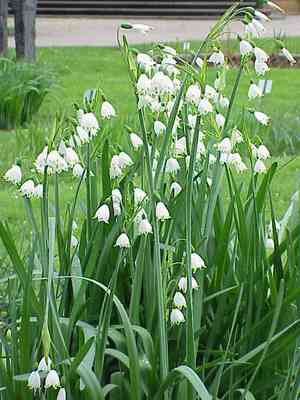
Galanthus aestivalis, a perennial with bulbous roots recognized for its drooping white blossoms akin to snowdrops, thrives with judicious trimming. Remove faded flowers to enhance vitality and redirect resources toward bulb development. After flowering, trim any yellowing foliage, but retain green leaves for photosynthetic processes. The most effective pruning takes place from the beginning of spring through the end of autumn, aligning with periods of active growth and dormancy. Trimming this plant enhances its well-being and visual appeal, preparing it for a strong showing in future years.
Advantages of Trimming Summer Snowflake
Advantages of Trimming Summer Snowflake
Trimming summer snowflake promotes more abundant blooms, stimulates robust development, and helps maintain its desired shape, ensuring summer snowflake remains an attractive garden feature.
Optimal Time for Trimming Summer Snowflake
Optimal Time for Trimming Summer Snowflake
Trimming summer snowflake in early spring is ideal, allowing the plant to direct energy into new, healthy growth immediately after cutting. This timing facilitates shaping and encourages a strong floral display for the upcoming season. Conversely, late fall pruning is suitable as summer snowflake enters dormancy. It permits the removal of spent flowers and any damaged or diseased foliage without risking new growth susceptible to early frosts. This also helps prevent disease and pests from overwintering in the leaves.
Tools Required for Trimming Summer Snowflake
Hand Pruners
Essential for snipping off faded flower stalks, and dead or yellowed leaves. Hand pruners offer precision and ease of use for cutting thin, soft tissues of summer snowflake. Bypass pruners are preferred for clean cuts without harming the plant.
Garden Scissors
Useful for trimming smaller or delicate parts of summer snowflake, such as foliage or slender stems. Garden scissors provide control and accuracy for fine-tuning the plant's shape without causing unnecessary damage.
Gardening Gloves
Though not a cutting tool, gloves protect hands from sap and potential irritants while trimming summer snowflake. They also improve grip on tools, leading to more precise cuts.
Cleaning Cloth
For wiping down cutting tool blades after use to prevent pathogen spread and keep tools in good condition for future trimming sessions of summer snowflake.
Pruning Saw
If summer snowflake has developed thicker, woodier stems that hand pruners cannot easily cut, a pruning saw can be used to remove tougher sections without damaging the plant.
How to Trim Summer Snowflake
Step1: Timing Pruning After Bloom
Wait for the appropriate trimming time, which is after summer snowflake has finished flowering and its foliage has started to yellow. This usually occurs in late spring or early summer. Trimming too early can reduce the plant's ability to photosynthesize and store energy for the next growing season.
Step2: Tool Disinfection Before Pruning
Disinfect your trimming tools before starting. Use a solution of 1 part bleach to 9 parts water or rubbing alcohol to clean the blades to prevent disease transmission.
Step3: Dead Foliage Removal
Identify dead foliage, which will appear yellow or brown and withered. These leaves can be gently pulled from the base of summer snowflake or snipped off at the base with sharp scissors or pruning shears.
Step4: Faded Flower Stem Cutting
Remove faded flowers by cutting the flower stem near the plant's base. Be careful not to damage any emerging foliage or flower buds that may be developing for the next season.
Step5: Damaged Stem Assessment
Assess summer snowflake for any damaged stems, which could be caused by environmental factors or pests. Look for stems that are broken, bruised, or showing signs of disease.
Step6: Healthy Tissue Trimming
Trim damaged stems down to the plant's base or to the point of healthy tissue, making a clean cut without tearing. This will encourage healthy regrowth and prevent disease spread.
Step7: Minimal Pruning Approach
Avoid excessive trimming. Remember that summer snowflake requires very little pruning. Too much trimming can harm the plant. Only dead or damaged material should be removed.
Step8: Disease-Free Debris Disposal
Dispose of removed plant material responsibly to prevent the spread of disease or pests. Do not compost diseased plant material as it can contaminate the compost.
Step9: Post-Pruning Watering
Water the plant after trimming to help reduce stress on summer snowflake. Ensure it receives adequate moisture without waterlogging, which can also promote rot.
Step10: Post-Pruning Plant Monitoring
Monitor summer snowflake after trimming for signs of stress or disease. If the plant appears to struggle, provide proper care, considering soil conditions, light, and water requirements specific to summer snowflake.
Aftercare for Summer Snowflake Post-Trimming
Aftercare for Summer Snowflake Post-Trimming
Immediately after trimming summer snowflake, gently water the soil to aid recovery. Provide partial shade to reduce stress and ensure ambient temperature and humidity promote healing. In the following weeks, apply a balanced liquid fertilizer to replenish nutrients. Regularly inspect for wilting or discolored foliage as signs of stress or disease. If symptoms arise, isolate summer snowflake and consult a plant pathologist for appropriate treatment.
Common Trimming Errors with Summer Snowflake
Avoid Over-Pruning
Over-trimming is a common mistake that can stress summer snowflake, leading to reduced flowering and vigor. Gardeners should avoid removing more than one-third of the total growth.
Do Not Harm Green Foliage
Cutting into green foliage or living tissue instead of just removing spent flower stems and yellow or dead leaves can harm the plant's ability to photosynthesize and store energy for the next flowering season.
Sterilize Tools to Avoid Disease Spread
Neglecting to sterilize trimming tools before use risks spreading diseases from other plants to summer snowflake, potentially impacting its health and growth.
General Trimming Advice for Summer Snowflake
Trim Dead Flower Stems After Blooming
After summer snowflake finishes flowering, trim off the flower stems close to the base without disturbing the foliage, allowing the leaves to die back naturally.
Use Sanitized Sharp Shears for Precise Cuts
Use sharp, clean trimming shears to make precise cuts, and sanitize the blades with a solution of 1 part bleach to 9 parts water between cuts to prevent disease transmission.
Remove Dead Foliage, Preserve Green Leaves
If foliage becomes yellow or brown, indicating it's dead or dying, carefully remove it to maintain aesthetics and prevent potential disease issues, but ensure to leave healthy green leaves intact as they provide energy for the bulbs.



