How to Prune Oxeye daisy?
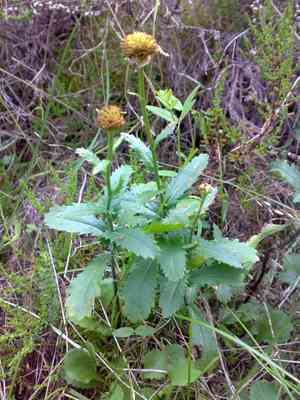
Distinguished by their white petals and golden central disks, oxeye daisy thrive across diverse environments. Essential trimming techniques include removing faded blossoms to stimulate further blooms and reducing the plant's size post-flowering to preserve its form. The optimal period for pruning oxeye daisy spans from early spring to late autumn. Consistent pruning deters self-propagation and fosters thicker foliage, thereby boosting its aesthetic appeal and managing its expansion in cultivated areas.
Advantages of Trimming Oxeye Daisy
Advantages of Trimming Oxeye Daisy
Trimming oxeye daisy promotes abundant flowering, stimulates vigorous development, and maintains a compact, attractive form. This practice is crucial for managing size, ensuring plant vitality, and enhancing its decorative appeal.
Optimal Time for Trimming Oxeye Daisy
Optimal Time for Trimming Oxeye Daisy
Trimming oxeye daisy in early spring just before active growth allows for quick recovery and directs energy into producing fresh, healthy foliage. This timing reduces stress on oxeye daisy and ensures energy isn't wasted on parts to be removed. Late fall trimming is also suitable for tidying the plant after the growing season. During this period, oxeye daisy enters dormancy, minimizing the impact of trimming on its vigor and flowering cycle. Removing spent flowers and dead or diseased stems in late fall prevents pest and disease spread and prepares oxeye daisy for winter and strong performance next season.
Tools Required for Trimming Oxeye Daisy
Hand Pruners (Secateurs)
For precise cutting of stems and deadheading to encourage oxeye daisy to produce more blooms, hand pruners, or secateurs are essential. They should be sharp and comfortable to handle for making clean cuts.
Pruning Shears (Clippers)
If dealing with larger clusters of oxeye daisy, pruning shears can provide a quick and efficient way to trim back large sections. This is useful for maintaining shape and removing spent flowers en masse.
Gardening Gloves
Gardening gloves protect the hands from thorns and sap while pruning oxeye daisy. Durable gloves also provide a better grip on the tools.
Long-Handled Loppers
For oxeye daisy plants that have grown taller or have thicker stems, long-handled loppers can give the necessary leverage to prune without straining the back or arms.
How to Trim Oxeye Daisy
Step1: Evaluate Plant and Identify Spent Blooms
Evaluate oxeye daisy before trimming to determine areas needing attention. Focus primarily on spent blooms and overgrown stems.
Step2: Sanitize Trimming Shears
Begin by sanitizing your trimming shears with alcohol or a bleach solution to prevent disease transmission.
Step3: Best Trimming Period Post-Flowering
As oxeye daisy is a perennial, the best time to trim is immediately after flowering in late summer to encourage a second bloom and maintain plant health.
Step4: Trimming Spent Blooms at Healthy Leaves
Locate the spent blooms and follow the stem down to the first set of healthy leaves. Make a clean cut at a 45-degree angle just above this set of leaves using your shears.
Step5: Cutting Back Overgrown Stems for Bushy Growth
For overgrown stems, find the point where they start to elongate away from the plantâs natural shape. Trim these stems back by cutting at a 45-degree angle, just above an outward-facing leaf node to promote a more bushy growth habit.
Step6: Clear Debris to Prevent Disease and Pests
Remove all the dead and trimmed material from the area around oxeye daisy to reduce the risk of disease and pests.
Step7: Water at Base Post-Trimming
After trimming, water oxeye daisy at the base to help it recover faster, avoiding overhead watering which can promote disease.
Step8: Periodic Shear Sterilization During Trimming
Periodically clean your shears during the trimming process and re-sterilize them after you finish to keep oxeye daisy healthy.
Step9: Monitor for New Growth After Trimming
Monitor oxeye daisy's response to trimming. If trimmed correctly, you should notice new growth within a few weeks.
Step10: Fertilize if Necessary for Recovery
Apply a balanced fertilizer after trimming if oxeye daisy shows signs of weak growth to provide an extra boost and support recovery.
Post-Trimming Care for Oxeye Daisy
Post-Trimming Care for Oxeye Daisy
Immediately after trimming oxeye daisy, water thoroughly to reduce transplant shock. Maintain a consistent moisture level without waterlogging. Place oxeye daisy to ensure adequate indirect light for recovery, avoiding extreme temperature fluctuations. Post-trimming, a balanced fertilizer promotes healthy regrowthâmonitor oxeye daisy for wilting or discoloration as stress indicators. If signs of infection appear, such as unusual spotting or decay, apply a suitable fungicide and improve air circulation around oxeye daisy.
Common Trimming Errors with Oxeye Daisy
Excessive Trimming Reduces Flowering and Stresses Plants
Excessive trimming which can weaken oxeye daisy and reduce its ability to flower abundantly. Removing too much foliage at once can stress the plant.
Avoid Cutting Woody Old Stems: Promotes Bare Patches
Trimming into the woody old stems which may not produce new growth, potentially leading to bare patches and a less aesthetically pleasing shape.
Remove Spent Flowers to Prevent Self-Seeding
Neglecting to remove spent flowers, which can not only decrease the plant's overall vigor but also lead to self-seeding and potential invasiveness.
Use Sharp Tools to Prevent Damage and Disease
Using dull or dirty tools that can cause damage to the stems of oxeye daisy, leading to disease and pest infestations.
Trim With Natural Shape in Mind for Healthy Growth
Trimming without considering the plant's natural shape, which can result in an unnatural appearance and potentially harm its growth.
Common Trimming Tips for Oxeye Daisy
Sharp, Clean Shears for Healthy Cuts on Plants
Use sharp, clean trimming shears to make clean cuts on oxeye daisy, which will help prevent disease and encourage speedy recovery.
Deadhead to Encourage More Blooms and Control Seeding
Regularly deadhead spent blooms to promote further flowering and prevent self-seeding if not desired.
Cut Back to Rejuvenate Growth After Flowering
Cut back oxeye daisy to a height of 1 to 2 inches above the ground after flowering if the foliage looks untidy or to rejuvenate growth.
Thin Crowded Growth for Better Air Circulation and Health
Thin out crowded growth to increase air circulation, which is pivotal in preventing fungal diseases that oxeye daisy could be prone to.
Trim Varying Stem Heights for Natural Look and Wildlife
Trim strategically, leaving some stems at different heights to maintain a natural, full appearance and to support varied wildlife.
Remove Dead or Damaged Stems for Plant Well-being
Inspect oxeye daisy regularly for dead, damaged or diseased stems and remove them promptly to maintain plant health and aesthetics.



