How to Prune Shasta daisy?
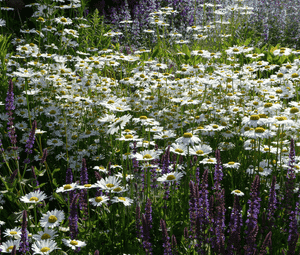
Shasta daisy, a vigorous perennial featuring white petals and a distinct yellow core, flourishes in adequately drained soil under full sun to partial shade. Routinely remove faded blossoms to stimulate further flowering and trim stems by one-third from early spring to late autumn for a denser plant. Avoid excessive density by separating clusters every 2-3 years in the fall. Strategic trimming improves air movement and minimizes problems with pests, preserving the shasta daisy's lively appearance.
What Are the Benefits of Pruning Shasta Daisy?
What Are the Benefits of Pruning Shasta Daisy?
Trimming shasta daisy promotes abundant flowering, revitalizes growth, and maintains a tidy form. Cutting back after the initial blooms can lead to a second flowering period.
What Is the Best Time for Pruning Shasta Daisy?
What Is the Best Time for Pruning Shasta Daisy?
In early spring, shasta daisy is still inactive, which is optimal for trimming as it reduces plant stress and allows for the removal of dead or damaged foliage without hindering development. Pruning in late autumn, once flowering has ceased, helps preserve the plant's shape and health, eliminating spent blooms and preparing shasta daisy for winter dormancy. This timing aligns with the plant's natural growth cycle, supporting vigorous growth in the subsequent season.
What Tools Do I Need to Prune Shasta Daisy?
Bypass Pruners
Perfect for making clean cuts on shasta daisy's stems during deadheading or shaping, as they cause less damage and encourage faster healing.
Gloves
Crucial for safeguarding the gardener's hands from thorns or rough plant material while trimming shasta daisy.
Pruning Shears
Best for cutting back clumps and removing faded flowers to stimulate reblooming of shasta daisy.
Loppers
Useful for severing thicker stems that bypass pruners might not handle effectively, ensuring precise cuts without harming shasta daisy.
Garden Scissors
Convenient for snipping and deadheading small stems or limited growth on shasta daisy, allowing for precision and control.
How to Prune Shasta Daisy
Step1: Inspect for Dead Blooms
Examine shasta daisy for indications of dead flowers and spent blooms. These are typically brown, withered, or have a shriveled appearance, signifying the end of their bloom cycle.
Step2: Sterilize Pruning Tools
Utilize clean, sharp pruning shears or scissors. Disinfect them with a 10% bleach solution or rubbing alcohol to prevent disease transmission.
Step3: Deadheading
Begin with deadheading. Remove the dead flowers and spent blooms by cutting just above the leaf set below the old flower. This encourages new blooms and prevents shasta daisy from expending energy on seed production.
Step4: Trimming Spent Blooms
For spent blooms, cut the stem back to the plant's base or to a set of leaves. This keeps the plant looking neat and can promote a second flush of flowers.
Step5: Prune Woody Stems
Identify any woody stems, which are older and have a hard, thick appearance. Prune these stems to rejuvenate the plant and encourage new growth. Cut back woody stems to a new shoot or bud facing the desired growth direction.
Step6: Cleanup Pruned Debris
After pruning, remove all cuttings from around the base of shasta daisy to deter pests and diseases.
Step7: Base Watering
Water shasta daisy at its base to settle the soil and hydrate the plant, avoiding overhead watering which can cause fungal diseases on wet foliage.
Step8: Mulching
Apply a layer of mulch around shasta daisy to help retain soil moisture and suppress weed growth.
Step9: Monitor and Maintain
Monitor shasta daisy for new growth and repeat the deadheading process regularly to maintain blooms throughout the growing season.
Post-Pruning Care for Shasta Daisy
Post-Pruning Care for Shasta Daisy
After trimming shasta daisy, immediately water the plant to lessen stress. Ensure it is placed in an environment with moderate sunlight, avoiding intense direct light. Maintain consistent moisture without overwatering, and shield shasta daisy from extreme temperature fluctuations. Provide a balanced, slow-release fertilizer to support new growth. Regularly inspect shasta daisy for signs of distress such as wilting or discoloration. If infection signs appear, such as spots on leaves, apply a suitable fungicide and improve air circulation around the plant.
Common Pruning Mistakes with Shasta Daisy
Over-Pruning Reduces Blooms and Stresses Plant
Trimming shasta daisy too severely can jeopardize its ability to recover and produce abundant blooms. Removing too much foliage can stress the plant.
Damage from Cutting into Woody Base
Cutting into the woody base of shasta daisy when pruning can harm the plant's crown and potentially introduce disease.
Loss of Blooms from Neglected Deadheading
Failing to remove faded or dead flowers, known as deadheading, can lead to a reduction in flowering as shasta daisy may direct its energy towards seed production rather than new blooms.
Pest Vulnerability from Dull Pruning Tools
Using dull or unclean pruning tools can create jagged cuts that are more susceptible to pests and diseases.
Unnatural Plant Shape from Improper Cutting
Not considering the shape and natural habit of shasta daisy when cutting can result in an unbalanced or unnatural appearance.
Common Pruning Tips for Shasta Daisy
Use Sharp, Clean Shears for Healthy Cuts
Always use sharp, clean shears when trimming shasta daisy to ensure clean cuts that heal quickly and minimize disease risk.
Deadhead Regularly for Longer Bloom Time
Practice deadheading shasta daisy by removing spent flowers regularly to encourage a longer blooming period and maintain an attractive appearance.
Prune Above Second Leaf Set for New Growth
When cutting back shasta daisy, focus on pruning above the second set of leaves below the spent flower to promote healthy new growth without cutting too far back.
Thin Stems to Improve Air Circulation and Growth
Thin out congested stems in the center of shasta daisy to improve air circulation, reduce disease risk, and allow light to reach the base encouraging robust growth.
Maintain Shape with Selective Pruning
Shape shasta daisy by trimming uneven or overreaching stems to maintain a pleasing form and support vigorous growth.



