How to Prune Broom tea-tree?
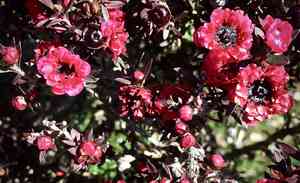
Originating from New Zealand, broom tea-tree is valued for its slender leaves and vivid blossoms. Trim to preserve its form and foster a dense habit, eliminating deceased or intersecting branches to enhance well-being. Conduct minor trimming in late spring or early summer following the blooming period. Extensive pruning can revitalize mature specimens, though it might reduce flowering. Pruning encourages development and deters an elongated appearance, guaranteeing a dense, appealing look.
What Are the Benefits of Pruning Broom Tea-tree?
What Are the Benefits of Pruning Broom Tea-tree?
Trimming broom tea-tree promotes abundant blooms and strong health by deterring pests and diseases. Consistent pruning maintains its structure and vigor, crucial for this species' lifespan and aesthetic appeal.
What Is the Best Time for Pruning Broom Tea-tree?
What Is the Best Time for Pruning Broom Tea-tree?
These periods are considered ideal as they allow broom tea-tree to recover and heal from pruning before facing the more challenging summer heat. Pruning in late spring ensures the removal of any dead or damaged branches post-winter dormancy, encouraging new growth in time for summer. Early summer pruning, soon after the initial bloom, helps maintain the plant's form, stimulates a second flowering, and prevents excessive growth that can lead to poor air circulation and potential disease. Pruning during this window minimizes stress on broom tea-tree and aligns with its natural growth cycle, fostering overall health and vitality.
What Tools Do I Need to Prune Broom Tea-tree?
Hand Pruners
Perfect for making precise cuts on broom tea-tree's smaller stems and branches, assisting in the removal of dead or diseased wood without causing unnecessary harm to the plant.
Loppers
Essential for cutting thicker branches that hand pruners cannot manage, enabling targeted pruning of broom tea-tree to shape the plant and encourage robust growth.
Pruning Saw
Crucial for removing mature or large branches from broom tea-tree, especially useful when reshaping the tree or reducing its size.
Hedge Shears
Helpful for shaping broom tea-tree when grown as a hedge; provides a method for quick trimming and maintaining a tidy appearance.
Gardening Gloves
Protects hands from cuts and scrapes while pruning broom tea-tree, ensuring safety during the maintenance process.
How to Prune Broom Tea-tree
Step1: Tool Sterilization
Sanitize your pruning tools with rubbing alcohol or a bleach solution to prevent disease spread. Ensure tools are sharp for clean cuts.
Step2: Dead Wood Identification
Inspect broom tea-tree and locate any dead wood, which appears dry, brittle, and lacks green growth. Dead wood will not flex easily and may have a different color or texture than live wood.
Step3: Dead Wood Removal
Start by removing dead wood first. Make cuts at a 45-degree angle, about 1/4 inch above the base of the dead wood, or back to the nearest healthy, living tissue if the dead wood extends only partially down a stem.
Step4: Disease Detection on Branches
Identify any branches showing signs of disease, such as discoloration, abnormal growths, or sticky residue. These may differ from healthy parts with robust, green foliage and intact bark.
Step5: Diseased Branches Pruning
Prune diseased branches entirely if the disease has spread along the whole length or cut back to healthy tissue if localized. Disinfect tools between cuts to avoid transmitting pathogens.
Step6: Weak Stem Identification
Locate weak stems on broom tea-tree that are spindly, poorly attached, or represent excess growth reducing air circulation. Weak stems often fail to produce strong foliage or flowers.
Step7: Thinning Weak Stems
Thin out weak stems by cutting them at their origin point or to an outward-facing bud that can support new, vigorous growth. This improves sunlight penetration and airflow, promoting overall plant health.
Step8: Shaping the Plant
To shape broom tea-tree, selectively prune back leggy growth to maintain a pleasing form. Cut back to a side stem or leaf node that points in the desired growth direction to guide the plant's shape.
Step9: Size and Density Control
Prune for size and density control by cutting back up to one-third of the plant's volume. Remove interior growth selectively to preserve the natural shape of broom tea-tree while reducing its size if necessary.
Step10: Post-Pruning Cleanup
After pruning, clear all debris from around the base of broom tea-tree as decaying plant matter can foster disease. Apply a balanced, slow-release fertilizer to support healthy regrowth.
Step11: Watering After Pruning
Water broom tea-tree deeply after pruning to encourage recovery, but avoid overwatering which can promote root rot and other moisture-related diseases.
Step12: Post-Pruning Monitoring
Monitor broom tea-tree for signs of new growth and good health, including resilient green leaves and robust stems. Note any issues that arise post-pruning for potential future adjustments.
Post-Pruning Care for Broom Tea-tree
Post-Pruning Care for Broom Tea-tree
Immediately after pruning broom tea-tree, water thoroughly to reduce stress. Manage light exposure, as broom tea-tree prefers full sun or partial shade; too much shade can hinder recovery. Maintain a humid environment and stable temperature, avoiding extremes. Begin a balanced fertilization regimen one month post-pruning to encourage growth. Regularly inspect broom tea-tree for signs of distress or infection, such as discolored leaves or stunted growth. If symptoms appear, adjust care and consult a plant health expert.
Common Pruning Mistakes with Broom Tea-tree
Over-pruning Reduces Flowering and Growth
Excessive pruning, which can stress broom tea-tree and diminish its ability to flower. Removing too much foliage or cutting back the plant too severely can impede its growth.
Avoid Cutting Into Non-regenerative Old Wood
Pruning into old wood that lacks new growth can be harmful, as broom tea-tree may not be able to regenerate from old stems.
Impacts of Using Dirty or Blunt Pruning Tools
Using dirty or dull tools, which can result in jagged cuts and introduce diseases to broom tea-tree, hindering the plant’s health and healing process.
Common Pruning Tips for Broom Tea-tree
Remove Dead or Diseased Wood First
Begin by removing any dead or diseased wood to maintain the health of broom tea-tree. This not only improves appearance but also prevents disease spread.
Thin Out Crowded Branches for Healthy Growth
Focus on thinning out crowded branches to increase air circulation and light penetration, which is essential for promoting healthy growth and abundant flowering in broom tea-tree.
Clean Cuts Above Leaf Nodes Encourage New Growth
Make clean cuts just above the leaf nodes, encouraging broom tea-tree to produce new growth and potentially more flowers from the cut points.



