How to Prune Mountain pepperplant?
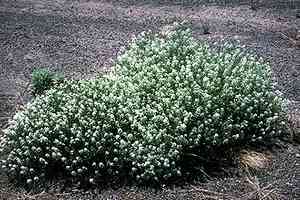
The mountain pepperplant, recognized for its thick leaves and fragrant properties, thrives with proper trimming. Essential methods involve carefully shortening excessive branches to enhance air circulation and deter ailments. The most suitable periods for pruning are late winter and early spring. This schedule fosters robust new development and optimizes the capacity for blooms. Trimming additionally aids in preserving an orderly form and encourages a more vital plant. Always employ sanitized, keen implements to execute accurate cuts and lessen the chance of contamination.
What Are the Benefits of Pruning Mountain Pepperplant?
What Are the Benefits of Pruning Mountain Pepperplant?
Trimming mountain pepperplant helps maintain its form, promoting vigorous development and a more appealing appearance. Additionally, it boosts the plant's resistance to pests and diseases by eliminating unhealthy or overly dense branches, ensuring healthier and stronger growth.
What Is the Best Time for Pruning Mountain Pepperplant?
What Is the Best Time for Pruning Mountain Pepperplant?
Pruning mountain pepperplant in early spring or late winter is optimal as these periods precede the plant's active growth phase. This timing facilitates healthy regrowth and minimizes plant stress. Furthermore, pruning during these seasons aids in shaping the plant and removing any damaged or dead wood without disrupting its flowering or fruiting cycles. Pruning at these times also ensures the plant has ample opportunity to recover and prepare for the upcoming growing season.
What Tools Do I Need to Prune Mountain Pepperplant?
Bypass Pruners
Perfect for clean cuts on living wood without crushing plant tissue, suitable for smaller branches and stems of mountain pepperplant.
Pruning Shears
Useful for precise trimming and shaping, ensuring optimal growth and health of mountain pepperplant.
Hand Pruners
Best for smaller, delicate pruning tasks, allowing for detailed work on mountain pepperplantâs smaller parts.
How to Prune Mountain Pepperplant
Identify
Carefully inspect mountain pepperplant to locate diseased and withered leaves. These typically appear discolored or shriveled compared to healthy foliage.
Disinfect
Clean and sanitize your pruning tools with a solution of one part bleach to nine parts water to prevent disease spread.
Trim diseased
Use sharp pruning shears to remove any diseased leaves. Cut at the base of the leaf stem, close to the main stem, but avoid cutting into healthy tissue.
Trim withered
Remove withered leaves by cutting at the base of the leaf stem, ensuring not to harm surrounding healthy parts.
Dispose
Discard all trimmed leaves away from the plant area to prevent any potential spread of disease and pests that may affect mountain pepperplant.
Common Pruning Mistakes with Mountain Pepperplant
Technique
Incorrect pruning methods, such as using dull tools or making improper cuts, can harm the plant's structure and health.
Timing
Pruning at the wrong time can stress mountain pepperplant and impede its growth. Avoid pruning during extreme weather conditions like severe heat or cold.
Amount of Pruning
Over-pruning can weaken mountain pepperplant, leading to reduced flowering and making the plant more susceptible to disease. Conversely, under-pruning can result in a congested and unruly growth habit.
Common Pruning Tips for Mountain Pepperplant
Proper Tools
Use clean, sharp pruning shears to make precise cuts. This reduces infection risk and promotes quick healing.
Sanitize Tools
Always sanitize your pruning tools before and after use on mountain pepperplant. This helps prevent disease spread.
Angled Cuts
Make cuts at a 45-degree angle, which helps water run off the cut site and minimizes rot risk.
Remove Dead Wood
Regularly remove dead or damaged branches. This encourages healthy growth and improves air circulation within the plant.
Thin Out Dense Areas
Thinning out congested areas helps light and air reach the inner parts of mountain pepperplant, promoting healthier growth and reducing the likelihood of fungal issues.
Cut Back to Healthy Buds
When cutting, always prune back to a healthy bud or lateral branch to ensure robust regrowth.
Limit Major Pruning
Avoid removing more than a third of mountain pepperplant at any one time to prevent significant stress on the plant.



