How to Prune Japanese edelweiss?
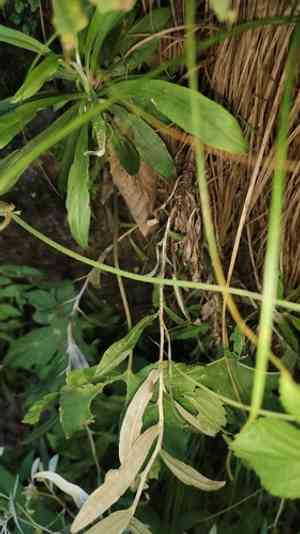
A resilient mountain perennial, japanese edelweiss flourishes with little upkeep. Remove withered or compromised leaves at any point to preserve its look and stimulate fresh development. Snip off faded blossoms to encourage further flowering. The most effective pruning takes place after blooming to ready the plant for the subsequent season's flowers. No specific methods are necessary; routine trimming is adequate. Advantages of pruning encompass a dense growth pattern and the revitalization of the plant's vigor.
What Are the Benefits of Pruning Japanese Edelweiss?
What Are the Benefits of Pruning Japanese Edelweiss?
Trimming japanese edelweiss promotes abundant flowering, stimulates vigorous development, and maintains a pleasing shape, ensuring japanese edelweiss flourishes with both beauty and vitality.
What Is the Best Time for Pruning Japanese Edelweiss?
What Is the Best Time for Pruning Japanese Edelweiss?
Trimming japanese edelweiss in late winter to early spring, prior to new growth, prevents undue stress on the plant and lowers disease risk. This timing allows for the removal of any dead or damaged stems caused by winter conditions. Pruning at this point also supports strong growth as warmer weather arrives, directing energy to new, healthy development instead of old, potentially unhealthy parts. It's vital to avoid cutting back japanese edelweiss during its blooming season to prevent hindering flower production. Furthermore, adhering to this seasonal schedule ensures a more resilient plant that can withstand pruning without compromising its health or flowering capacity.
What Tools Do I Need to Prune Japanese Edelweiss?
Hand Pruners
Japanese edelweiss is a relatively small perennial, and hand pruners are perfect for snipping spent blooms and thin stems precisely to maintain plant shape and encourage new growth. Opt for bypass pruners for clean cuts without harming healthy plant parts.
Micro-Tip Snips
For deadheading or shaping japanese edelweiss without unduly stressing its delicate foliage, micro-tip snips offer precise control. They are small and sharp enough to access tight areas within the plant without causing incidental damage to adjacent growth.
Gardening Gloves
Wearing gardening gloves is advisable to shield your hands from potential skin irritation while pruning japanese edelweiss. This also helps maintain cleanliness and prevents the spread of diseases among plants.
How to Prune Japanese Edelweiss
Clean tools
Before pruning japanese edelweiss, sanitize pruning tools with a 10% bleach solution or rubbing alcohol to prevent disease transmission.
Remove diseased material
Carefully snip off any diseased leaves and branches from japanese edelweiss, ensuring clean cuts that do not harm healthy tissue. Properly dispose of infected material.
Trim dead material
Remove dead branches and withered leaves from japanese edelweiss by cutting them at their base, slightly above healthy tissue, to encourage new growth.
Deadhead flowers
Deadhead faded flowers of japanese edelweiss by snipping them off just above the first set of healthy leaves to promote more blooms.
Shape plant
Shape japanese edelweiss by selectively trimming back overgrown branches to maintain the desired form and improve air circulation. Avoid excessive pruning, as this can stress the plant.
Common Pruning Mistakes with Japanese Edelweiss
Overpruning
Removing too much growth at once can shock japanese edelweiss, potentially stunting its development or even leading to plant death. Pruning should aim to maintain the plant's natural shape and encourage healthy growth without being excessive.
Improper cut locations
Cutting too close to the main stem or leaving too large a stub can lead to disease and poor healing. Cuts should be made just above leaf nodes or branching points, avoiding damage to the main stem.
Using dull tools
Dull pruning tools can cause unnecessary damage to japanese edelweiss, resulting in jagged cuts that can become entry points for pests and diseases. Sharp, clean tools are essential for precise cuts.
Pruning during growth periods
Pruning when japanese edelweiss is actively growing can unduly stress the plant. While the best season for pruning is not to be mentioned, it is crucial to avoid times when the plant is putting energy into growth.
Neglecting plant structure
Failing to consider the overall structure and natural form of japanese edelweiss during pruning can result in an undesirable shape, uneven growth, or reduced flowering.
Ignoring diseased material
Not promptly removing disease-infected or damaged material can cause problems to spread throughout japanese edelweiss. Affected areas should be pruned out as soon as they are noticed.
Common Pruning Tips for Japanese Edelweiss
Selective pruning
Target only the necessary areas for pruning to manage plant size and shape. Focus on removing dead or weak stems, as well as any overgrowth that affects japanese edelweiss's natural form.
Clean cuts
Ensure cuts are clean and made at an angle to prevent water accumulation, promoting quicker healing and reducing disease risk.
Sterilize tools
To prevent disease spread, sterilize pruning tools with rubbing alcohol or a 10% bleach solution before and after pruning japanese edelweiss.
Post-pruning care
After pruning, provide japanese edelweiss with appropriate care such as watering and mulching to support its recovery and robust growth.
Understand plant health
Assess the health of japanese edelweiss before pruning. Remove any material that is dead, dying, or diseased, while being mindful to maintain a healthy structure for the plant.
Thinning
Thin out crowded areas to improve air circulation and light penetration, which is crucial for the health and vibrancy of japanese edelweiss, encouraging a more prolific bloom.



